Sesbania sericea
(Willd.) Link
Silky sesban
iNaturalist· cc-by-nc
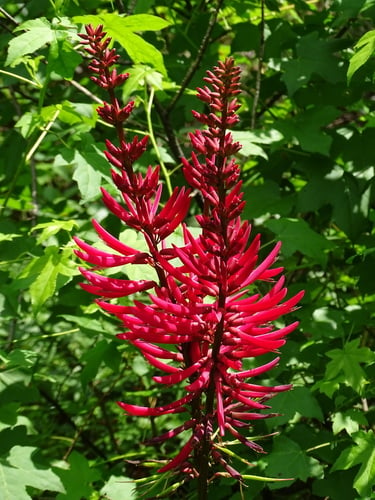
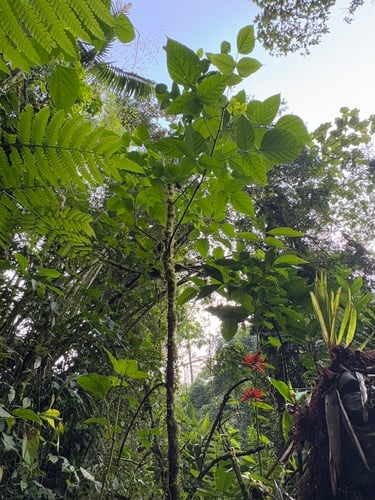
(c) Jose Alicea, some rights reserved (CC BY-NC), uploaded by Jose Alicea
iNaturalist· cc-by-nc
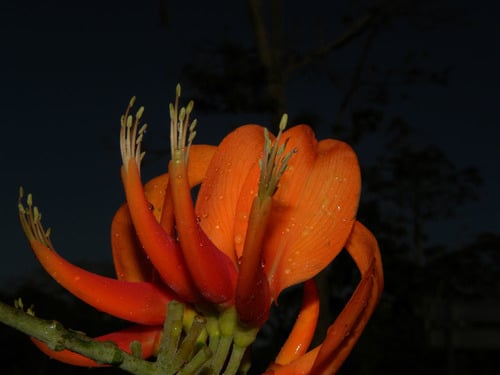
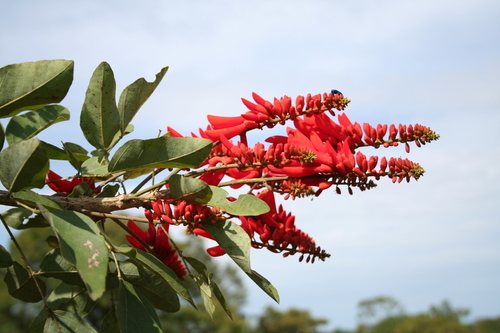
(c) Octavio Rivera Hernández, some rights reserved (CC BY-NC)
iNaturalist· cc-by-nc
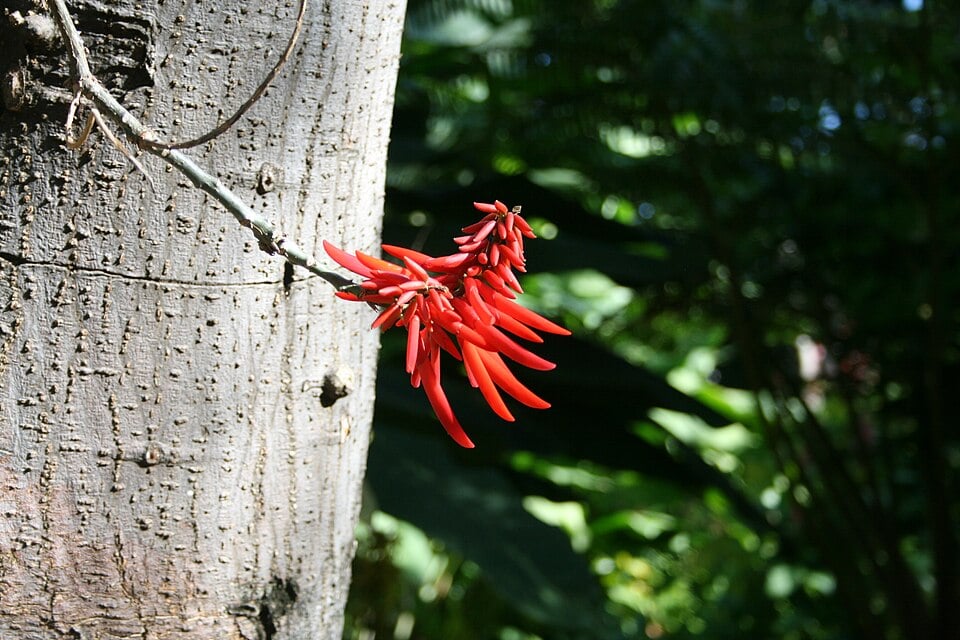
(c) Octavio Rivera Hernández, some rights reserved (CC BY-NC)
Description
A shrub. It grows for one or two years. It grows 1 m tall. The stems are angular and hairy. The leaves are 5-20 cm long with 10-20 pairs of leaflets.
Distribution
It is a tropical plant. It grows in moist places near the edges of rivers and lakes. .
Where It Grows
Africa, Angola, Central Africa, Congo DR, Senegal, Somalia, Tanzania,
Cultivation
It grows from seed.
Propagation
Seed - it has a hard seedcoat and may benefit from scarification before sowing to speed up germination. This can usually be done by pouring a small amount of nearly boiling water on the seeds (being careful not to cook them!) and then soaking them for 12 - 24 hours in warm water. By this time they should have imbibed moisture and swollen - if they have not, then carefully make a nick in the seedcoat (being careful not to damage the embryo) and soak for a further 12 hours before sowing. This species does not require pre-treatment.
Other Uses
The wood is used for fuel. It is grown as a hedge tree and wind-break. (A questionable use, since the plant is a herbaceous perennial, not a tree.) The green branches and leaves are used a green manure in the production of food crops, especially rice. The plant is grown in the inter-rows in banana plantations, and sown at the time of planting the bananas. The legume is later cut and spread out as a mulch to control weeds and also used as green manure. When sown as a green manure in ginger (Zingiber officinale) fields, the plants are progressively thinned from around the ginger plants to provide green manure or mulch, but a few plants, spaced 2 - 3 metres apart, are left to provide a light shade. Intercropping it with maize to provide green manure for a subsequent wheat crop has been tried. When sown simultaneously with the maize, it smothered the maize; however, delaying the sowing by 6 weeks did not depress the maize yield and boosted the following wheat yield by about 20 - 40%. When grown for green manure, it is either grown in situ or in nearby fields, field bunds or waste areas to be transported and dug in the field. Decomposition of Sesbania after ploughing in is rapid. As green manure it can be ploughed in just before transplanting rice. Delaying transplanting may result in a lower response to the green manure.
Production
It is fast growing.
Notes
It can become a problem weed.
Synonyms
References (1)
- World Checklist of Useful Plant Species 2020. Royal Botanic Gardens, Kew