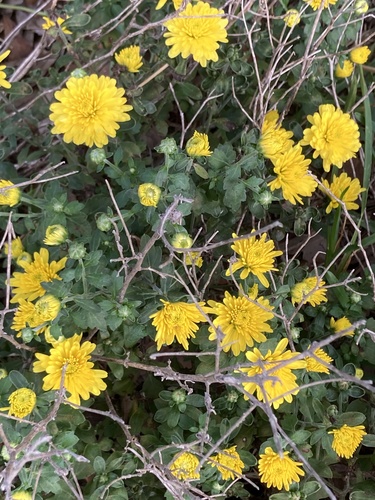
Gynura pseudochina
(L.) DC.
Velvet plant, Chinese gynura
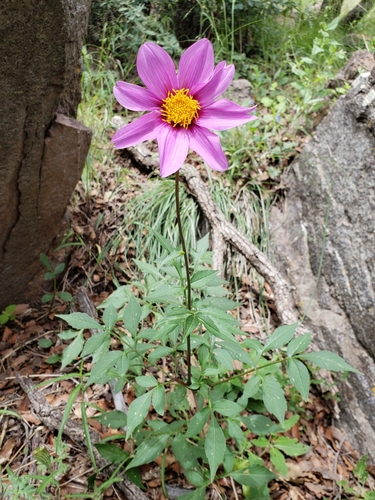
iNaturalist· cc-by-nc-sa
(c) anonyme973, some rights reserved (CC BY-NC-SA)
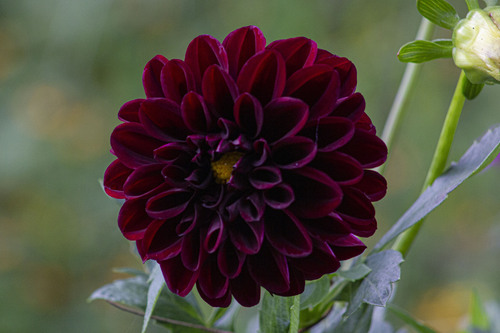
iNaturalist· cc-by-nc-sa
(c) anonyme973, some rights reserved (CC BY-NC-SA)
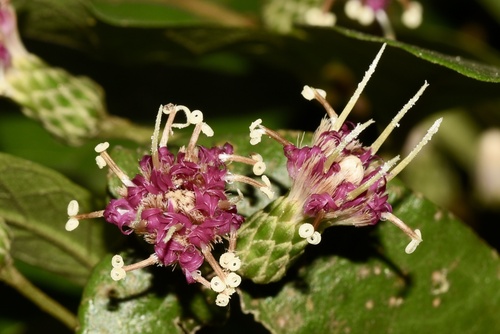
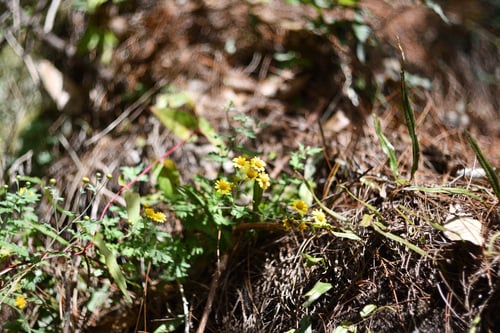
iNaturalist· cc-by-nc-sa
(c) 106611639464075912591, some rights reserved (CC BY-NC-SA), uploaded by 106611639464075912591
Description
A herb. It is erect and keeps growing from year to year. It is a soft or succulent plant. It grows 130 cm tall. The roots are fattened with tubers. These are round or lobed and 2-6 cm across. The leaves are simple and in a ring. They can have shallow lobes. They are spoon shaped or oval and 7-40 cm long by 2-20 cm wide. The upper leaves are smaller and have more lobed. The flowers are in a head. The flower stalk is 4 cm long. They are yellow or red. The fruit is dry and 3-4 mm long.
Edible Uses
The leaves are used in soups and stews as a flavoring; they have a slimy texture. The plant is cultivated as a food source in some regions.
Traditional Uses
The leaves are used in soups and stews as a flavouring. They are slimy.
This uses section is brief — help expand it
Medicinal Uses
The plant is febrifuge, haemostatic and vulnerary. The fresh leaves are used for their demulcent property. The leaves are used to reduce skin irritation caused by insect stings, pimples and bruises, and to cure scabies and erysipelas. The fresh sap is instilled into the eyes to treat soreness. The plant (part not specified) is used to regulate menses, to treat breast tumours, herpes infections and sore throats.
Distribution
It is a tropical plant. It grows in grassland and among rocks. In China it grows in sandy places on slopes between 200-2,100 m above sea level. In Yunnan.
Where It Grows
Africa, Angola, Asia, Australia, Benin, Bhutan, Cameroon, Central Africa, Central African Republic, CAR, China, Côte d'Ivoire, East Africa, Ethiopia, Ghana, Himalayas, India, Indochina, Indonesia, Ivory Coast, Liberia, Malawi, Malaysia, Myanmar, Nepal, Nigeria, SE Asia, Sierra Leone, Somalia, Sri Lanka, Sudan, Thailand, Togo, Vietnam, West Africa, Zambia,
Cultivation
It can be grown from seeds, cuttings or tubers.
Propagation
Seed - Cuttings of half-ripe wood.
Other Uses
The plant has a strong smell of musk, and it is said to have the same property as garlic in protecting against crocodiles.
Other Information
It is cultivated as a food plant in some places. It is only of local importance.
Notes
There are about 40 Gynura species.
Synonyms
References (7)
- Ambasta, S.P. (Ed.), 2000, The Useful Plants of India. CSIR India. p 253 (As Gynura pseudochina)
- Cooper, W. and Cooper, W., 2004, Fruits of the Australian Tropical Rainforest. Nokomis Editions, Victoria, Australia. p 82
- Grubben, G. J. H. and Denton, O. A. (eds), 2004, Plant Resources of Tropical Africa 2. Vegetables. PROTA, Wageningen, Netherlands. p 301
- Mot So Rau Dai an Duoc O Vietnam. Wild edible Vegetables. Ha Noi 1994, p 94 (As Gynura pseudochina)
- Seidemann J., 2005, World Spice Plants. Economic Usage, Botany, Taxonomy. Springer. p 171
Show all 7 references Hide references
- Sukarya, D. G., (Ed.) 2013, 3,500 Plant Species of the Botanic Gardens of Indonesia. LIPI p 1111
- World Checklist of Useful Plant Species 2020. Royal Botanic Gardens, Kew