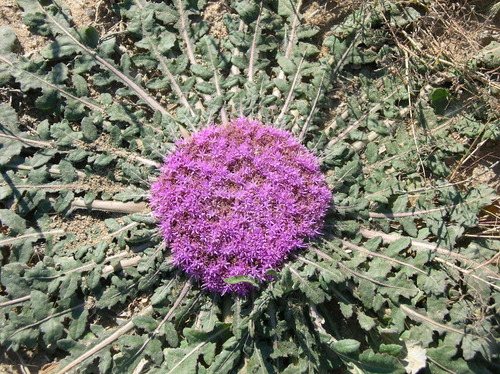
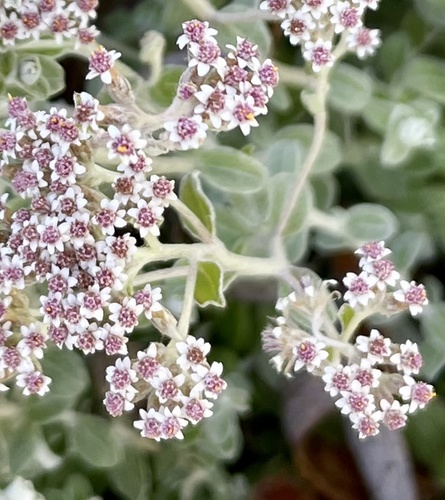
Artemisia maritima
Linn.
Worm-seed, Sea wormwood, Levant wormseed
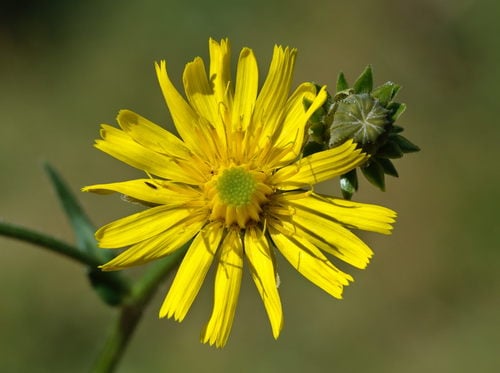
iNaturalist· cc0
no rights reserved, uploaded by Robert H. Wardell
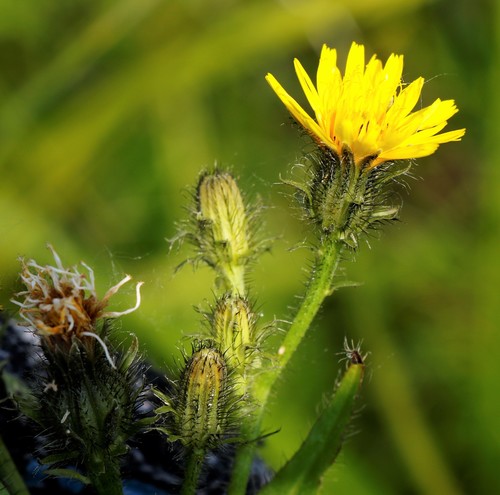
iNaturalist· cc-by-sa
(c) Olivier PICHARD, some rights reserved (CC BY-SA)
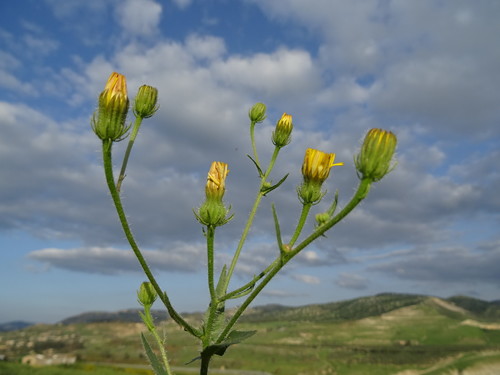
iNaturalist· cc-by-nc-sa
(c) Marco Schmidt, some rights reserved (CC BY-NC-SA), uploaded by Marco Schmidt
Summary
Source: WikipediaArtemisia maritima is a European species of wormwood known as sea wormwood, and also formerly often by its synonym Seriphidium maritimum. It is native to the Atlantic coasts of northern Europe, from western and northern France, Ireland, the United Kingdom, Belgium, the Netherlands, Germany, Denmark, Sweden, Norway, the Baltic States, and northwestern Russia. In Great Britain, it is found as far north as Wigton on the west coast and Cruden Bay on the east coast, and in Ireland, on the east and west coasts between Dublin and Killough, and Tralee Bay to Galway; it also occurs on the Isle of Man. There are two subspecies: Artemisia maritima subsp. maritima – in the western part of the range Artemisia maritima subsp. humifusa (Fr. ex C.Hartm.) K.Perss. – in the northeastern part of the range
Description
A herb that keep growing from year to year. It grows 50 cm high and spreads 50 cm wide. The stem is erect and has soft hairs. The leaves are white and twice divided. The segments are narrow. The flowers are small and yellow.
Edible Uses
Edible Parts: Edible Uses: Condiment The leaves are occasionally used as a flavouring. Some caution is advised, see the notes above on toxicity.
Traditional Uses
It has been used to make a conserve with sugar. It has been used for flavouring. It has also been used to flavour liqueurs.
This uses section is brief — help expand it
Medicinal Uses
Anthelmintic Antiseptic Antispasmodic Carminative Cholagogue Emmenagogue Febrifuge Stimulant Stomachic Tonic Vermifuge Sea wormwood is not much used in herbal medicine, though it is often used domestically. Its medicinal virtues are similar to wormwood, A. absinthum, though milder in their action. It is used mainly as a tonic to the digestive system, in treating intermittent fevers and as a vermifuge. The leaves and flowering shoots are anthelmintic, antiseptic, antispasmodic, carminative, cholagogue, emmenagogue, febrifuge, stimulant, stomachic, tonic and vermifuge. The plant is harvested as it comes into flower and is dried for later use. The unexpanded floral heads contain the vermicide 'santonin'.
Known Hazards
The following notes are from a report on the closely related A. absinthum, they quite possibly also apply to this species. The plant is poisonous if used in large quantities. Even small quantities have been known to cause nervous disorders, convulsions, insomnia etc. Just the scent of the plant has been known to cause headaches and nervousness in some people.
Distribution
It is a cool temperate plant. It grows best in alkaline soils. It needs a marshy location in a sunny position. It is resistant to frost but affected by drought. In the Himalayas it grows between 3,000-4,300 m above sea level.
Where It Grows
Asia, Australia, Europe*, Himalayas, India, Scandinavia, Siberia,
Cultivation
Succeeds in any soil but prefers a poor dry soil with a warm aspect. Easily grown in a well-drained circumneutral or slightly alkaline loamy soil, preferring a sunny position. Plants are longer lived, more hardy and more aromatic when they are grown in a poor dry soil. Tolerates a pH in the range 6.0 to 7.6. Dislikes shade. Established plants are very drought tolerant. Tolerates maritime exposure. The whole plant has a sweet aromatic smell. Plants in this genus are notably resistant to honey fungus. Members of this genus are rarely if ever troubled by browsing deer.
Propagation
Seed - surface sow from late winter to early summer in a greenhouse, making sure that the compost does not dry out. When large enough to handle, prick the seedlings out into individual pots and grow them on in the greenhouse for their first winter. Plant out in late spring or early summer. Cuttings of half-ripe wood, July/August in a frame. Division in spring or autumn.
Other Uses
Repellent Strewing The growing shoots are said to repel insects and mice, they have also been used as a strewing herb. An infusion is said to discourage slugs and insects. Special Uses Scented Plants
Notes
There are about 300 Artemisia species.
Synonyms
References (8)
- Bircher, A. G. & Bircher, W. H., 2000, Encyclopedia of Fruit Trees and Edible Flowering Plants in Egypt and the Subtropics. AUC Press. p 42
- Bodkin, F., 1991, Encyclopedia Botanica. Cornstalk publishing, p 104
- Facciola, S., 1998, Cornucopia 2: a Source Book of Edible Plants. Kampong Publications, p 34
- Hedrick, U.P., 1919, (Ed.), Sturtevant's edible plants of the world. p 74
- Seidemann J., 2005, World Spice Plants. Economic Usage, Botany, Taxonomy. Springer. p 54
Show all 8 references Hide references
- Sharma, L. et al, 2018, Diversity, distribution pattern, endemism and indigenous uses of wild edible plants in Cold Desert Biosphere Reserve of Indian Trans Himalaya. Indian Journal of Traditional Knowledge. Vol 17(1) January 2018 pp 122-131
- Sp. pl. 2:846. 1753
- Trendafilova, A., et al, 2020, Research Advances on Health Effects of Edible Artemisia Species and Some Sesquiterpene Lactones Constituents. Foods 2021, 10, 65. p 4