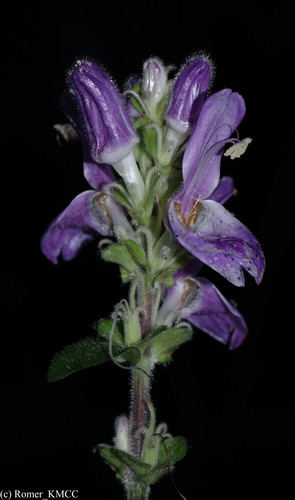
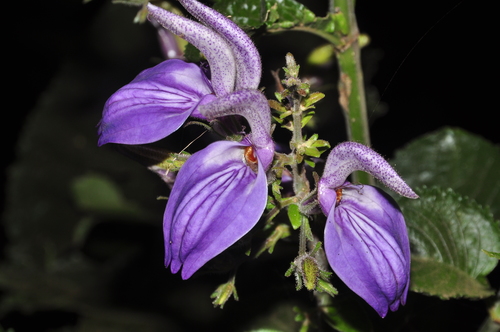
Acanthus mollis
L.
Bear's breech
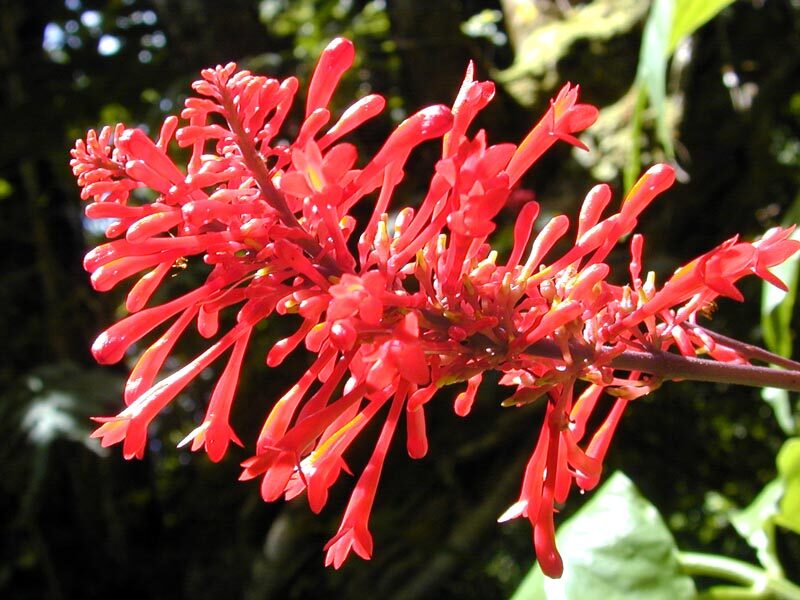
iNaturalist· cc-by-nc
(c) James Bailey, some rights reserved (CC BY-NC), uploaded by James Bailey
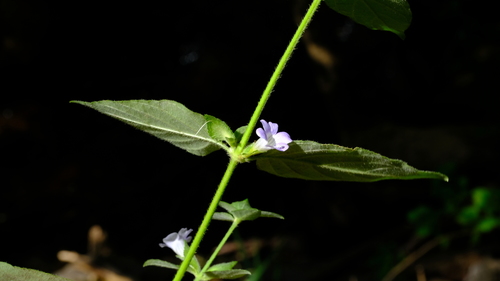
iNaturalist· cc-by-nc
(c) Ben Zerante, some rights reserved (CC BY-NC), uploaded by Ben Zerante
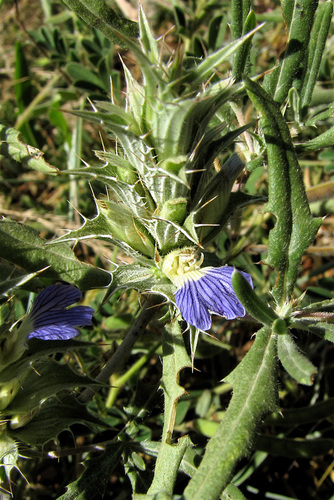
iNaturalist· cc-by-nd
(c) KC McKenz, some rights reserved (CC BY-ND)
Summary
Source: WikipediaAcanthus mollis, commonly known as bear's breeches, sea dock, bear's foot plant, sea holly, gator plant or oyster plant, is a species of plant in the family Acanthaceae and is native to the Mediterranean region. It is a leafy, clump-forming perennial herb, with a rosette of relatively large, lobed or toothed leaves, and purplish and white flowers on an erect spike.
Description
A shrub or small tree. It grows 5 m tall. There are prickles along the stem. The leaves are twice divided and there are 8-18 pairs of pinnae. There are up to 50 pairs of pinnules on each pinnae. The flowers are yellow. They are in large clusters at the ends of branches. The pods are flattened.
Edible Uses
None known
Medicinal Uses
The leaves and roots are astringent, detergent, emollient, and vulnerary. The plant contains appreciable quantities of mucilage and tannin. Traditionally it was used to treat dislocated joints and burns. A paste made from the plant, applied to a dislocated joint, tends to normalize the affected muscles and ligaments — simultaneously relaxing and tightening them to encourage the joint back into place. The crushed leaves can be applied as a poultice to soothe burns and scalds. Internally, the plant's emollient properties help treat irritated mucous membranes in the digestive and urinary tracts.
Distribution
It is a temperate plant. It grows in sunny or slightly shaded places. It grows in well drained soils.
Where It Grows
Africa, Australia, Canada, Croatia, Europe*, Italy, Mediterranean, New Zealand, North Africa, North America, Portugal, Tasmania,
Cultivation
Prefers a deep loamy soil in a sheltered position in full sun but tolerates partial shade. Grows well in heavy clay soils if they are well-drained but dislikes heavy damp soils and will not overwinter in wet soils. Established plants are fairly drought tolerant. Hardy to about -15°c, though young plants may require protection in the winter and even older ones may need protection in cold winters. A very ornamental plant. The leaves can wilt on hot summer days when plants are grown in full sun. Plants can become invasive, spreading by suckers, and they are difficult to eradicate due to their deep roots. Does well in the lawn or wild garden. Plants can be grown in quite coarse grass, which can be cut in the autumn. Members of this genus are not usually browsed by deer.
Propagation
Sow seed in spring in a cold frame, or outside as soon as it is ripe. Germination typically occurs in 3–4 weeks at 10°C. Prick seedlings out into individual pots when large enough to handle and grow on for two years before planting out in late spring or early summer. Division in spring or autumn is very easy — divisions can be planted straight into their permanent positions. Root cuttings can be taken in winter and kept in a cold frame.
Other Uses
The sub-species A. mollis latifolia makes a useful ground cover plant. It is relatively slow to establish at first but can eventually become invasive.
Other Information
It is a famine food.
Notes
It can become a weed.
Synonyms
References (1)
- Esperanca, M. J., 1988. Surviving in the wild. A glance at the wild plants and their uses. Vol. 1. p 91