Trichilia capitata
Klotzsch
iNaturalist· cc-by-nc
(c) Graeme White, some rights reserved (CC BY-NC), uploaded by Graeme White
iNaturalist· cc-by-nc
(c) Graeme White, some rights reserved (CC BY-NC), uploaded by Graeme White
Description
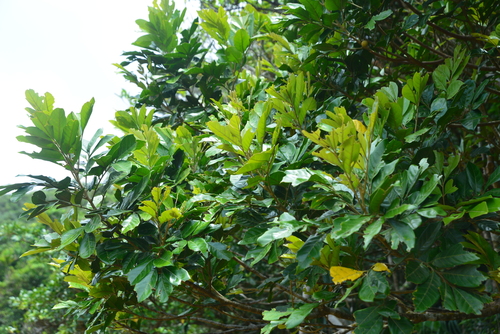
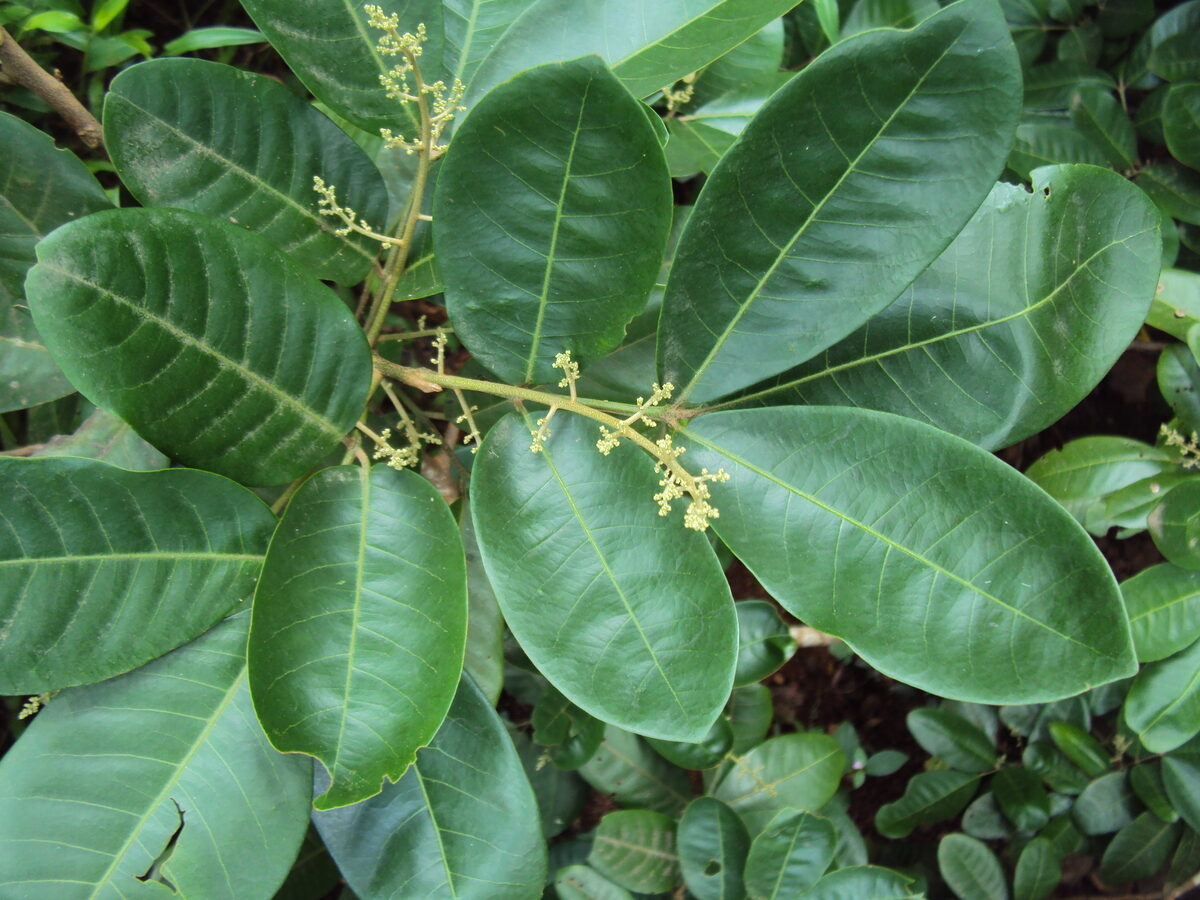
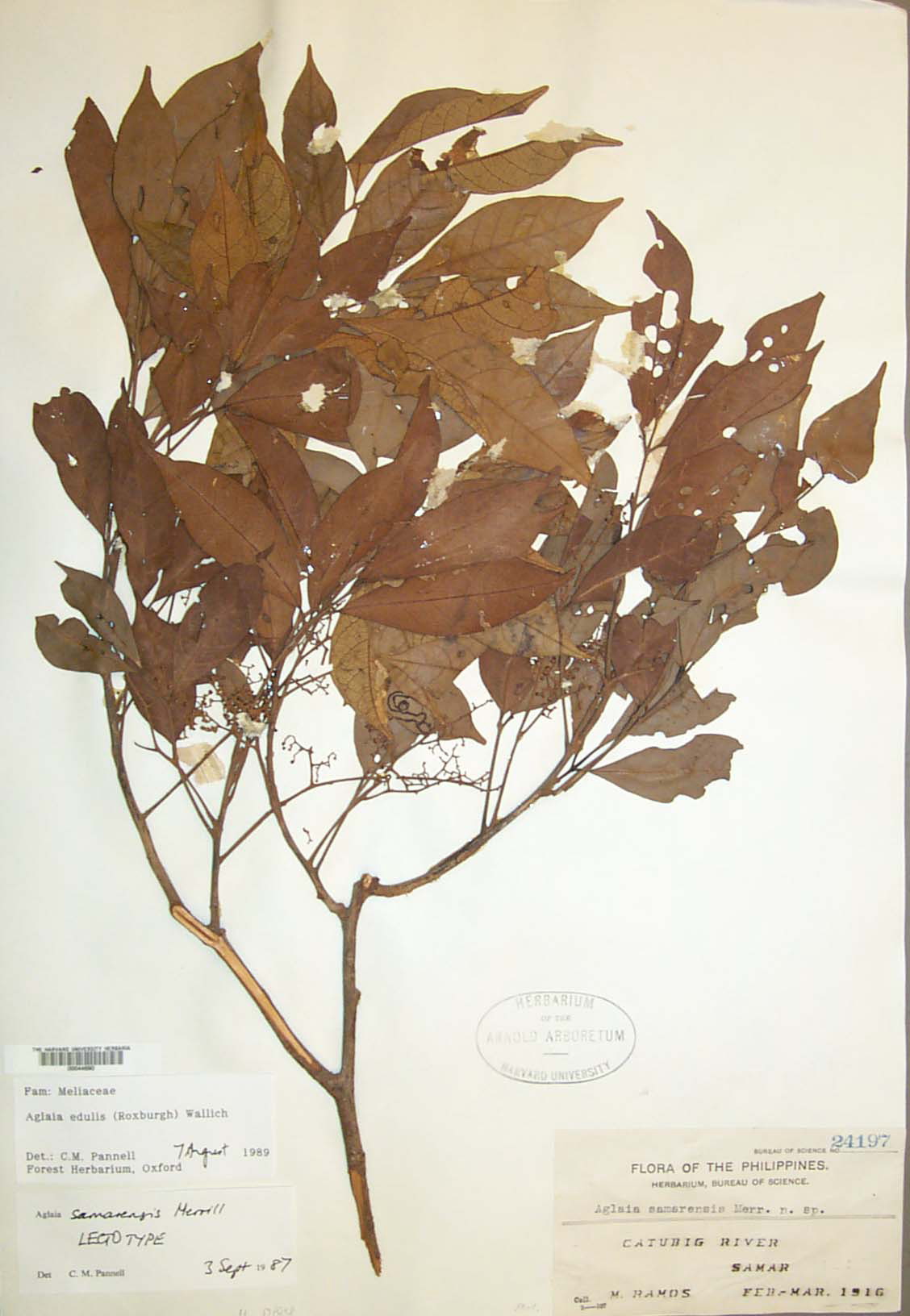
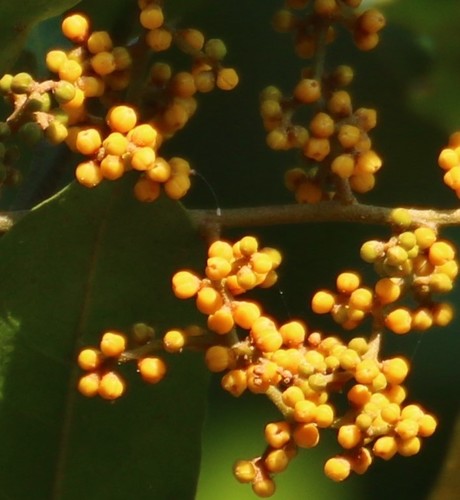
A shrub or tree. It loses its leaves during the year. It grows 3-15 m tall. The leaves are compound with 4-6 pairs of opposite leaflets. The leaves have leaflets along the stalk and one at the end. The leaves are hairy. The leaflets are 11.5 cm long by 5 cm wide. The flowers are in dense groups in the axils of leaves. The flowers are 3-4 mm long and white. The fruit is a capsule about 1.5 cm across. It is round. The seeds are dull dark red. They have an orange fleshy layer around them.
Edible Uses
The fruit is edible.
Medicinal Uses
The roots are used as a treatment for snake bites.
Distribution
It is a subtropical plant. It grows along streams and sometimes on termite mounds. It grows at low altitude. It can grow in arid places.
Where It Grows
Africa, East Africa, Malawi, Mozambique, Zimbabwe,
Also Known As
Chicara, Sinzaxeule, Tondua
References (2)
- Fox, F. W. & Young, M. E. N., 1982, Food from the Veld. Delta Books. p 263
- Royal Botanic Gardens, Kew (1999). Survey of Economic Plants for Arid and Semi-Arid Lands (SEPASAL) database. Published on the Internet; http://www.rbgkew.org.uk/ceb/sepasal/internet [Accessed 3rd May 2011]