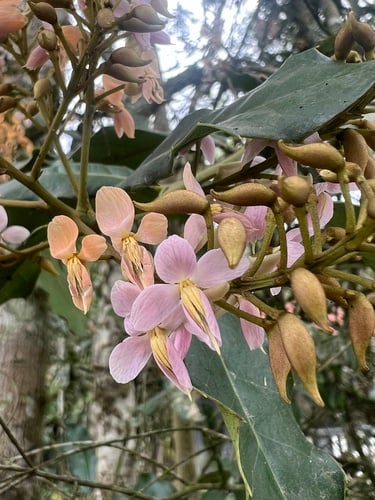
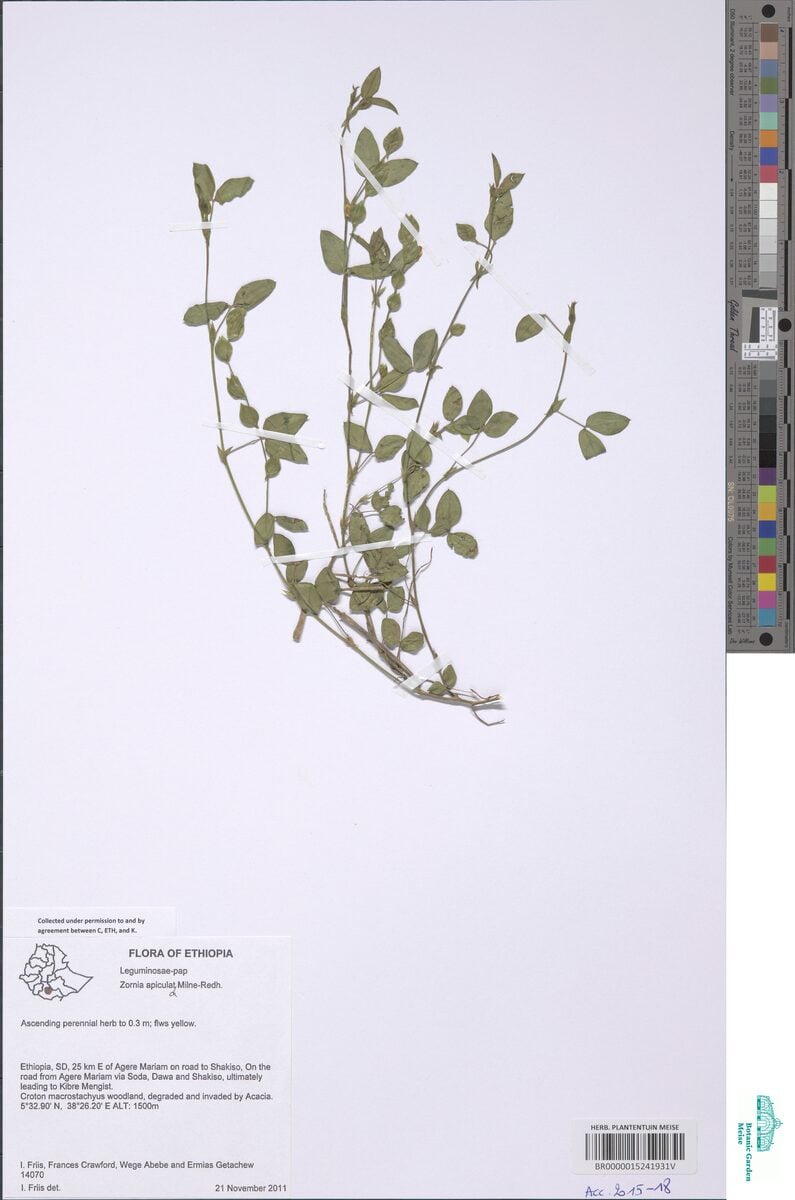
Leucaena leucocephala subsp. glabrata
(Rose) Zarate
iNaturalist· cc-by-nc
(c) dean_cuadrado_4km, some rights reserved (CC BY-NC)
iNaturalist· cc0
no rights reserved, uploaded by 葉子
iNaturalist· cc-by-nc
(c) jlcartes, some rights reserved (CC BY-NC), uploaded by jlcartes
Summary
Source: WikipediaLeucaena leucocephala is a small fast-growing mimosoid tree native to southern Mexico and northern Central America (Belize and Guatemala). It is now naturalized throughout the tropics including parts of Asia. Common names include white leadtree, white popinac, horse tamarind, ipil-ipil, koa haole, and tan-tan. Leucaena leucocephala is used for a variety of purposes, such as fencing, soil fertility, firewood, fiber, and livestock fodder.
Description
A tree. It grows 9-12 m high. The trunk can be 30 cm across. The leaves are alternate and 17-19 cm long by 12-20 cm wide with leaflets along the stalk. The pod is 12-19 cm long by 17-21 mm wide. The seeds are oval and 7-8 mm long by 5 mm wide.
Edible Uses
The young pods are edible and occasionally eaten in Javanese vegetable salad with spicy peanut sauce, and spicy fish wrapped in papaya or taro leaves in Indonesia, and in papaya salad in Laos and Thailand, where they are known as phak krathin (Thai: ผักกระถิน). In Mexico it is eaten in soups and also inside tacos, it is known as guaje. Cooking is thought to remove most of the poison.
Traditional Uses
The seeds are eaten raw when green.
This uses section is brief — help expand it
Known Hazards
The seeds of Leucaena leucocephala contain mimosine, an amino acid known to be toxic to nonruminant vertebrates.
Distribution
It is a tropical plant. It can grow in arid places. In Argentina it grows below 500 m above sea level.
Where It Grows
Africa, Argentina, East Africa, Mexico, North America, South America, Uganda,
Notes
Also as Mimosaceae.
Synonyms
Also Known As
Guaje
References (1)
- Royal Botanic Gardens, Kew (1999). Survey of Economic Plants for Arid and Semi-Arid Lands (SEPASAL) database. Published on the Internet; http://www.rbgkew.org.uk/ceb/sepasal/internet [Accessed 28th April 2011]