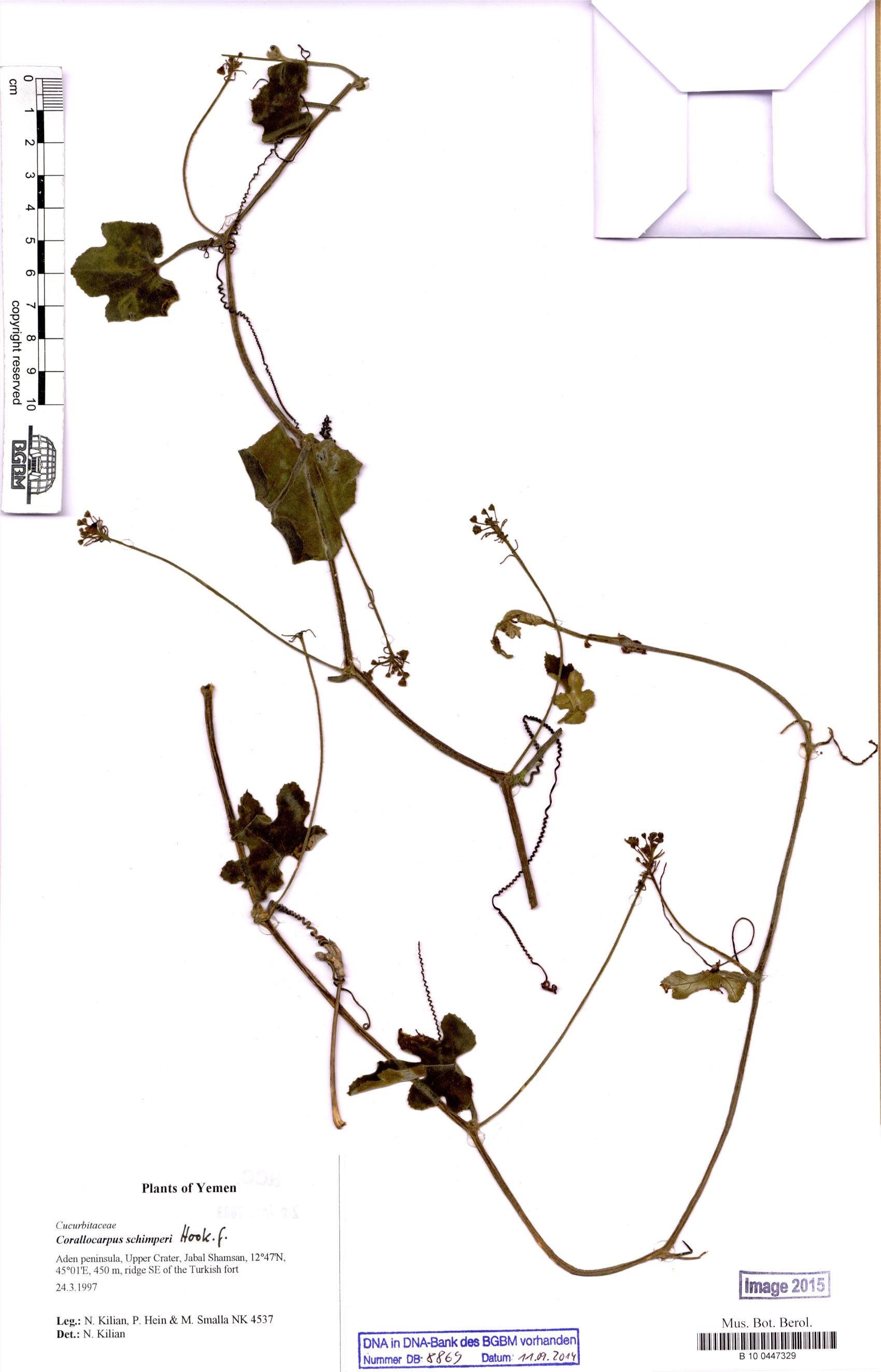
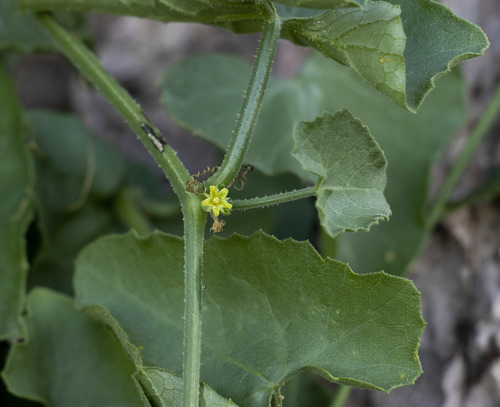
Zehneria scabra
(L. f.) Sond.
iNaturalist· cc-by-nc
(c) graham_g, some rights reserved (CC BY-NC)
iNaturalist· cc-by-nc
(c) Donovan Kirkwood, some rights reserved (CC BY-NC), uploaded by Donovan Kirkwood
iNaturalist· cc-by-sa
(c) Dinesh Valke, some rights reserved (CC BY-SA)
Summary
Source: WikipediaZehneria scabra is a perennial climbing or trailing herb that belong to the family Cucurbitaceae.
Description
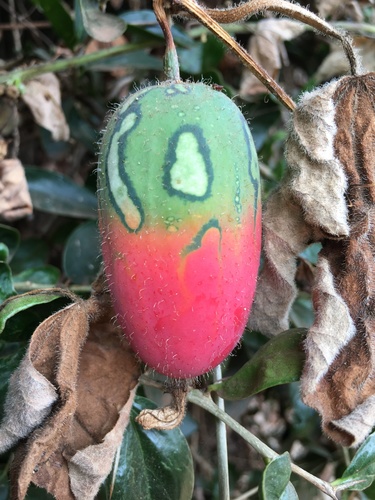
A herb. It is a pumpkin family plant. It is a climber. It keeps growing from year to year. The leaves are heart shaped and have sharp teeth along the edges. The fruit are round or oval and change from green to yellow or red.
Edible Uses
The leaves are boiled in water and eaten. The fruit and leaves are edible.
Traditional Uses
The leaves are boiled in water and eaten. Caution: Parts have been recorded as edible and also as poisonous.
This uses section is brief — help expand it
Medicinal Uses
In Ethiopia, the herb is known locally as 'hareg ressa' where its fruits and leaves are crushed and oil extracted used to treat scabies. Extracts from the herb are traditionally used to treat diarrhea, alopecia, wound and eczema. Oil extracts are also used to treat skin related infections among the Pare of Tanzania.
Known Hazards
Parts have been recorded as both edible and poisonous.
Distribution
It is a tropical plant. In Africa it grows between 600-2,250 m above sea level. It can grow in arid places.
Where It Grows
Africa, Angola, Asia, Bangladesh, Benin, Burkina Faso, Burundi, Cameroon, Central Africa, Congo DR, Congo R, Côte d'Ivoire, East Africa, Eritrea, Eswatini, Ethiopia, Himalayas, India, Indonesia, Ivory Coast, Kenya, Lesotho, Liberia, Malawi, Malawi, Middle East, Mozambique, Nigeria, Northeastern India, Philippines, Rwanda, Sao Tome and Principe, Saudi Arabia, SE Asia, Somalia, Sudan, Swaziland, Tanzania, Uganda, Zambia, Zimbabwe,
Synonyms
Also Known As
Areg-ressa, Ikomangunku, Kukilamasola, Lamthabi, Nkweyamzue, Onwihura
References (10)
- Devi, O.S., P. Komor & D. Das, 2010, A checklist of traditional edible bio-resources from Ima markets of Imphal Valley, Manipur, India. Journal of Threatened Taxa 2(11): 1291-1296
- Fox, F. W. & Young, M. E. N., 1982, Food from the Veld. Delta Books. p 179
- Harkonen, M. & Vainio-Mattila, K., 1998, Some examples of Natural Products in the Eastern Arc Mountains. Journal of East African Natural History 87:265-278
- Konsam, S., et al, 2016, Assessment of wild leafy vegetables traditionally consumed by the ethnic communities of Manipur, northeast India. Journal of Ethnobiology and Ethnomedicine, 12:9
- Njoroge, G. & Newton, L. E. 1994, Edible and Poisonous Species of Cucurbitaceae in the Central Highlands of Kenya. Journal of East African Natural History. 83:101-115
Show all 10 references Hide references
- Royal Botanic Gardens, Kew (1999). Survey of Economic Plants for Arid and Semi-Arid Lands (SEPASAL) database. Published on the Internet; http://www.rbgkew.org.uk/ceb/sepasal/internet [Accessed 16th April 2011]
- Ruiters-Welcome, A. K., 2019, Food plants of southern Africa. Ph.D. thesis. Univ. of Johannesburg p 50
- Terashima, H., et al, 1991, Ethnobotany of the Lega in the tropical rainforest of eastern Zaire: part 1, Zone de Mwenga. African Study Monographs. Suppl. 15:1-61 (As Melothria punctata)
- Vainio-Mattila, K., 2000, Wild vegetables used by the Sambaa in the Usumbara Mountains, NE Tanzania. Ann. Bot. Fennici 37:57-67
- Welcome, A. K. & Van Wyk, B.-E., 2019, An inventory and analysis of the food plants of southern Africa. South African Journal of Botany 122 (2019) 136–179 (As Pilogyne scabra)