Coccinia trilobata
(Cogn.) C. Jeffrey
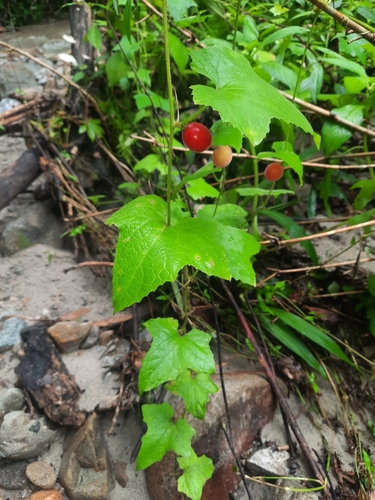
iNaturalist· cc-by-nc
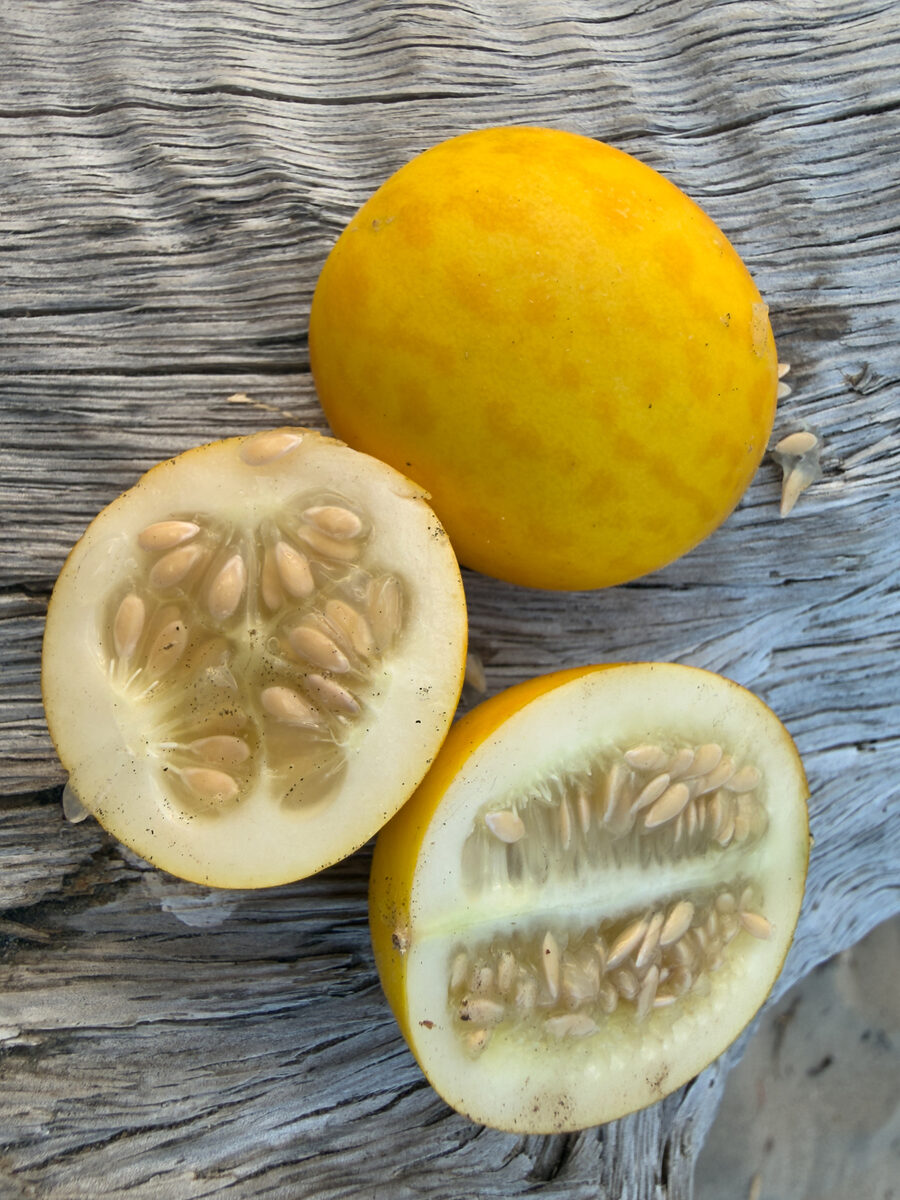
(c) Vittoria Azzarello, some rights reserved (CC BY-NC), uploaded by Vittoria Azzarello
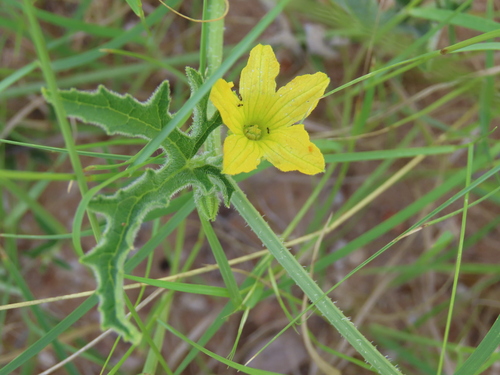
iNaturalist· cc-by-nc
(c) Joe Zito, some rights reserved (CC BY-NC), uploaded by Joe Zito
Description
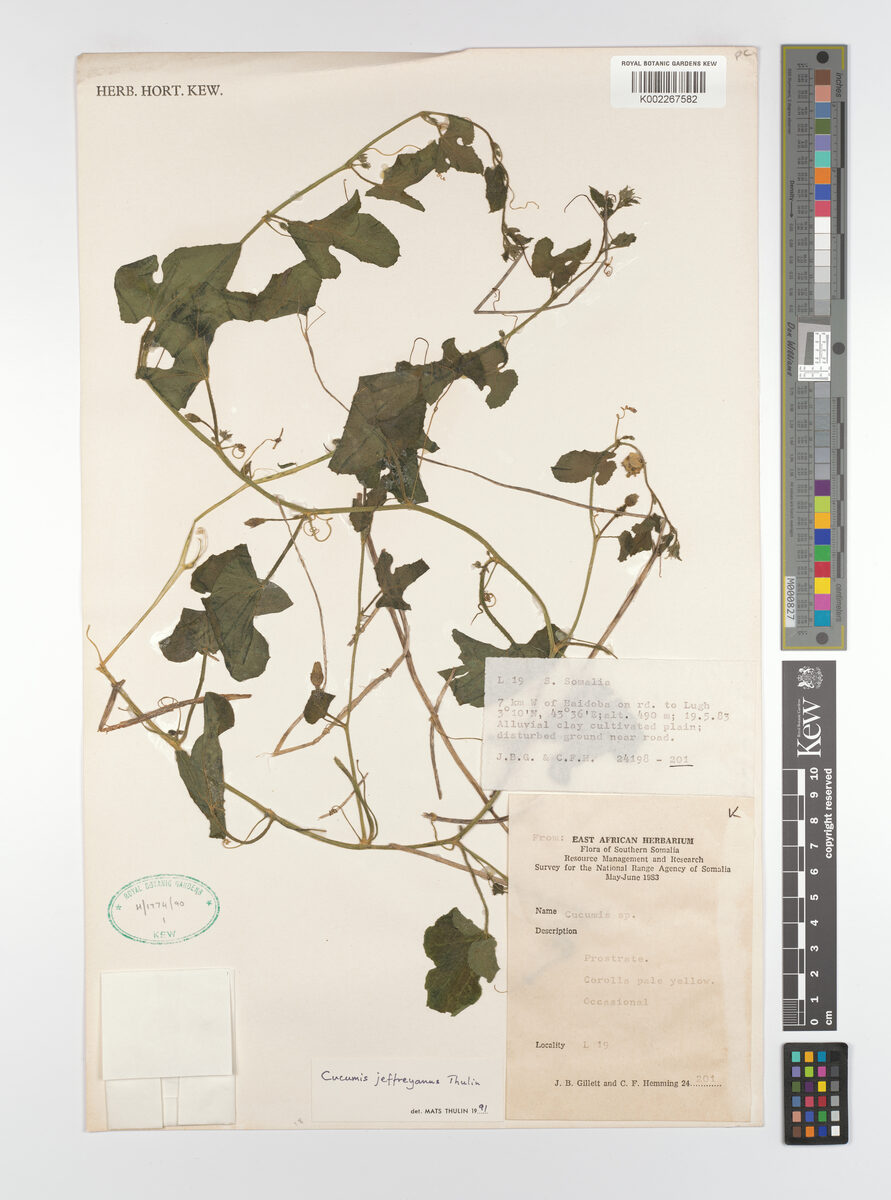
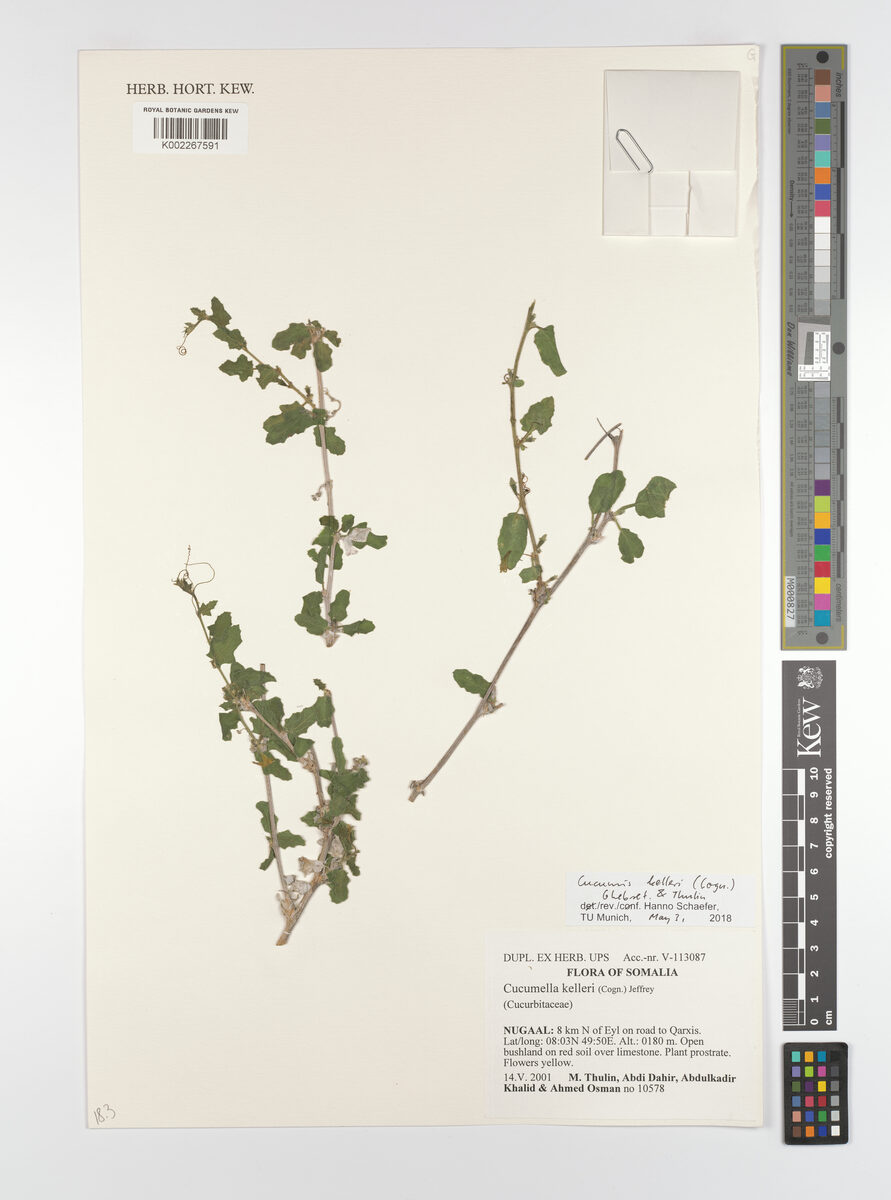
A pumpkin family herb. It lies along the ground or can be a climber. The stems are slender. They grow 3 m long. The leaves have 3-5 lobes. They are 3-15 cm long by 3-18 cm wide.
Edible Uses
Leaves - cooked and eaten as a vegetable or sometimes used as a relish. They are usually only eaten as a vegetable when better foods are not available.
Traditional Uses
Caution: The fruit are poisonous. The leave are used as a famine food in relishes and chutneys.
This uses section is brief — help expand it
Known Hazards
The fruit are poisonous.
Distribution
It is a tropical plant. It grows in bushland or grassland. It grows between 900-2,170 m above sea level. It grows in dry areas. It can grow in arid places.
Where It Grows
Africa, East Africa, Kenya, Tanzania,
Cultivation
Grows best in a sunny position in a moist but well-drained soil. A dioecious species, both male and female forms need to be grown if fruit and seed are required.
Propagation
Seed - Cuttings.
Other Information
The leaves are a famine food.
Synonyms
Also Known As
Angwe, Ititwe, Katakeru, Kigerema, Kirigirigi, Koba, Notondwe
References (10)
- Ferns, Useful Tropical Plants.
- Grubben, G. J. H. and Denton, O. A. (eds), 2004, Plant Resources of Tropical Africa 2. Vegetables. PROTA, Wageningen, Netherlands. p 204
- Holstein, N., 2015, Monograph of Coccinia (Cucurbitaceae). PhytoKeys 54: 1–166
- Maundu, P. et al, 1999, Traditional Food Plants of Kenya. National Museum of Kenya. 288p
- Mutie, F. M., et al, 2023, Important Medicinal and Food Taxa (Orders and Families) in Kenya, Based on Three Quantitative Approaches. Plants 2023, 12, 1145
Show all 10 references Hide references
- Newman 1970,
- Njoroge, G. & Newton, L. E. 1994, Edible and Poisonous Species of Cucurbitaceaea in the Central Highlands of Kenya. Journal of East African Natural History. 83:101-115
- Peters, C. R., O'Brien, E. M., and Drummond, R.B., 1992, Edible Wild plants of Sub-saharan Africa. Kew. p 99
- Royal Botanic Gardens, Kew (1999). Survey of Economic Plants for Arid and Semi-Arid Lands (SEPASAL) database. Published on the Internet; http://www.rbgkew.org.uk/ceb/sepasal/internet [Accessed 15th April 2011]
- World Checklist of Useful Plant Species 2020. Royal Botanic Gardens, Kew