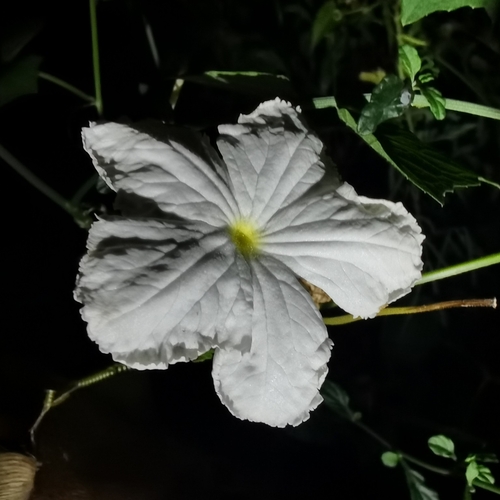
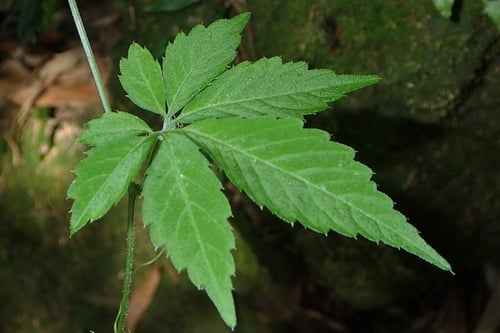
Corallocarpus triangularis
Cogn.
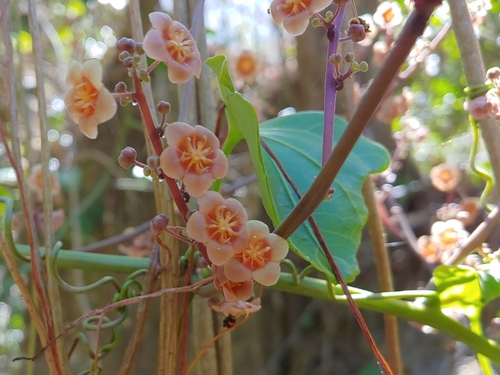
iNaturalist· cc-by-nc
(c) tanderson, some rights reserved (CC BY-NC), uploaded by tanderson
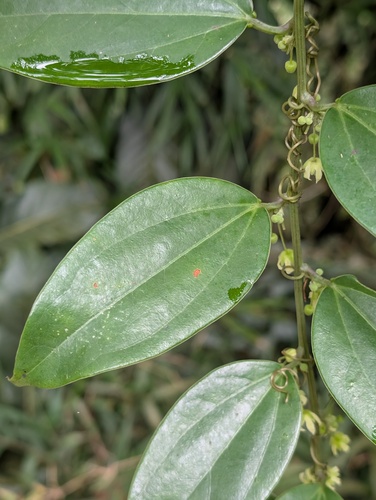
iNaturalist· cc-by-nc
(c) Troos van der Merwe, some rights reserved (CC BY-NC), uploaded by Troos van der Merwe
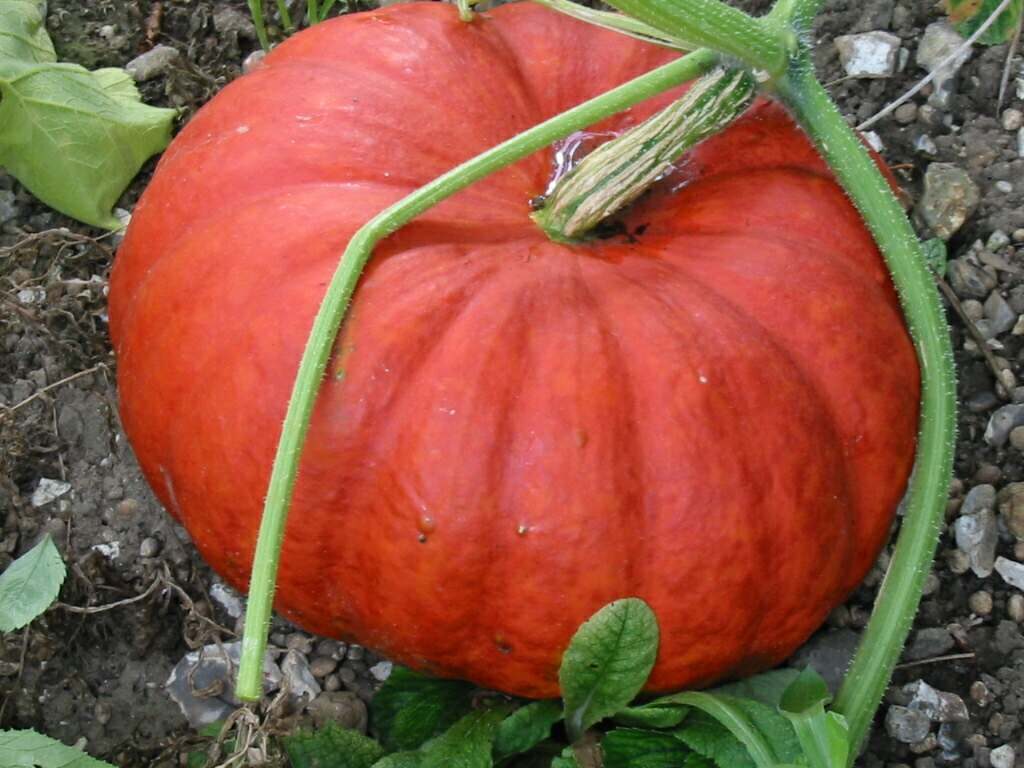
iNaturalist· cc-by-nc
(c) Troos van der Merwe, some rights reserved (CC BY-NC), uploaded by Troos van der Merwe
Description
A herb. It lies along the ground or can be a climber. It keeps growing from year to year. It can be 2 m long. The leaf blade is 2-5 cm long by 2-6 cm wide. The leaves are heart shaped at the base and with 3-5 lobes. The male flowers are in groups or 4-10. The female flowers are in groups or 1-6. They are pale yellow or white. The fruit are about 1 cm long. They are bright red. The seeds are about 4 mm long by 2-3 mm wide.
Edible Uses
The leaves and stems are cooked and eaten like spinach. The roots are baked in ashes and eaten. The ripe fruits are sweet and eaten raw.
Traditional Uses
The leaves and stems are cooked and eaten like spinach. The roots are baked in the ashes and eaten. The ripe fruit are sweet and edible.
This uses section is brief — help expand it
Medicinal Uses
The roots are traditionally baked in ashes and consumed.
Distribution
It is a subtropical plant. It grows in shrubland. It grows between 300-1,530 m above sea level. It can grow in arid places.
Where It Grows
Africa, Botswana, East Africa, Namibia, South Africa, Southern Africa, Zimbabwe,
Synonyms
References (4)
- Royal Botanic Gardens, Kew (1999). Survey of Economic Plants for Arid and Semi-Arid Lands (SEPASAL) database. Published on the Internet; http://www.rbgkew.org.uk/ceb/sepasal/internet [Accessed 15th April 2011]
- Ruiters-Welcome, A. K., 2019, Food plants of southern Africa. Ph.D. thesis. Univ. of Johannesburg p 48
- Welcome, A. K. & Van Wyk, B.-E., 2019, An inventory and analysis of the food plants of southern Africa. South African Journal of Botany 122 (2019) 136–179
- World Checklist of Useful Plant Species 2020. Royal Botanic Gardens, Kew