Cucumis humofructus
Stent
iNaturalist· cc-by-nc
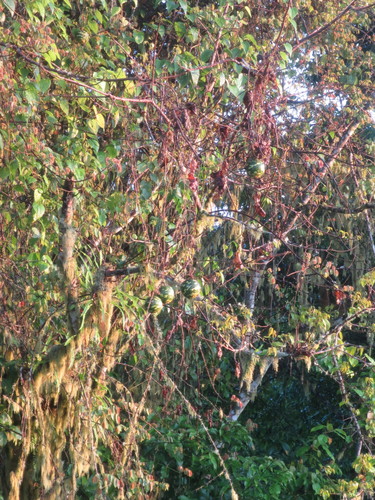
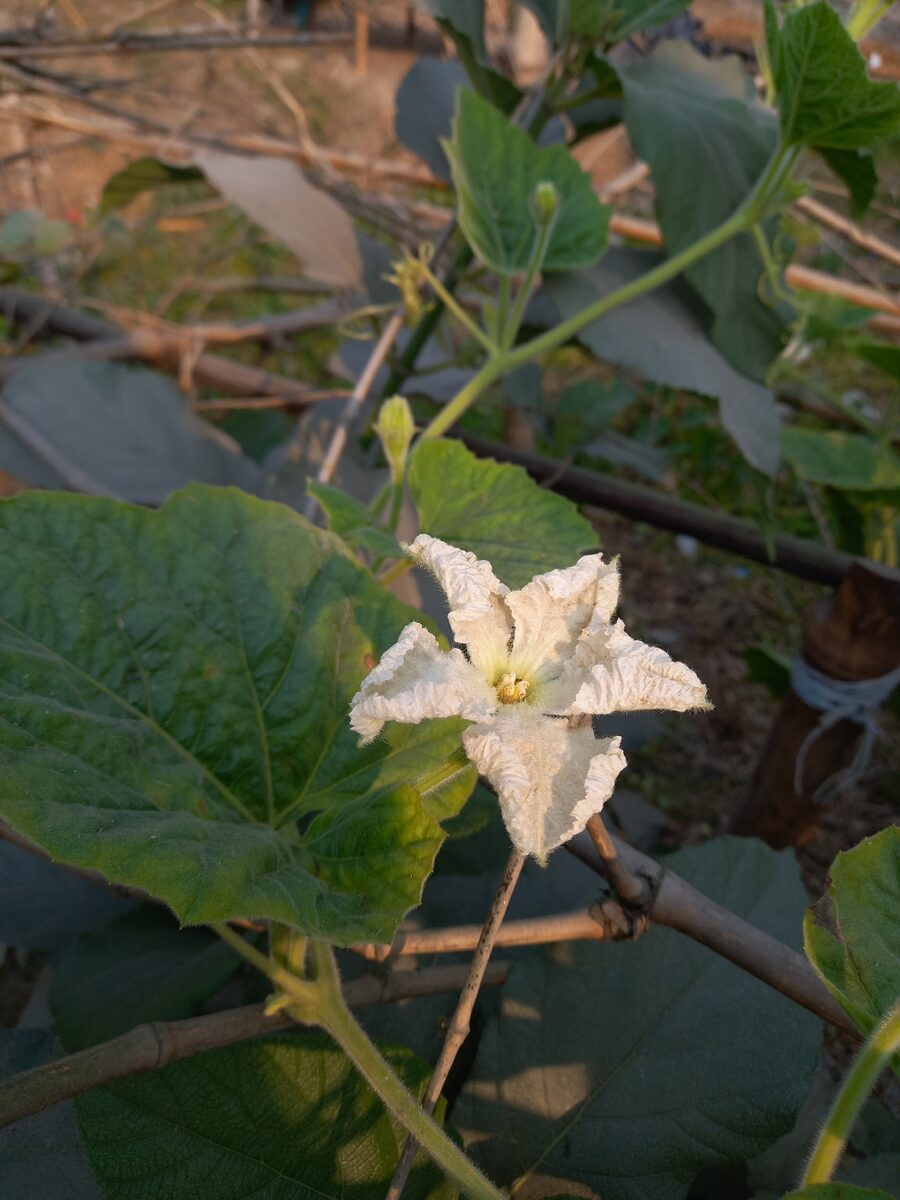
(c) Alex Dreyer, some rights reserved (CC BY-NC)
iNaturalist· cc-by-nc
(c) Alex Dreyer, some rights reserved (CC BY-NC)
iNaturalist· cc-by-nc
(c) Alex Dreyer, some rights reserved (CC BY-NC)
Description
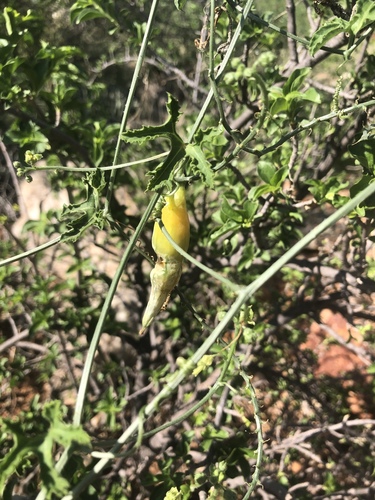
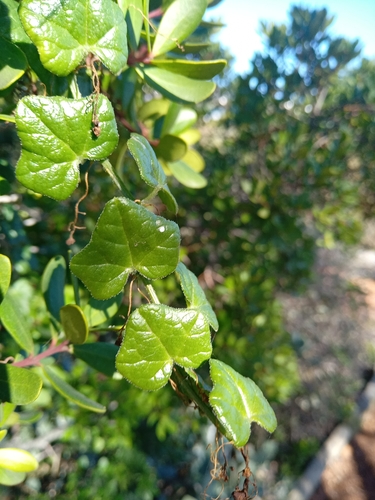
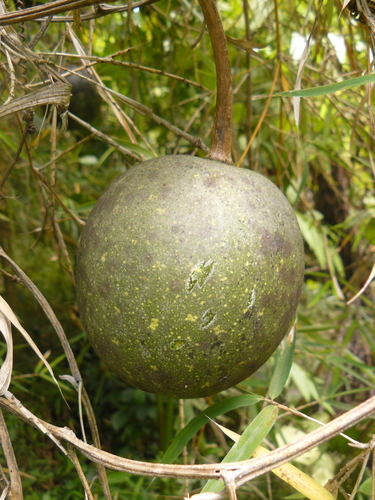
A herb. It lies along the ground. It grows each year from seed. The stems can be 2.5 m long. They produce roots at the nodes. The leaves have long leaf stalks. The leaves are heart shaped with small lobes and fine teeth along the edge. The flowers are pale yellow. They occur singly in the axils of leaves. The grow on long stalks into the soil. The fruit develop and ripen in the soil. They are pale green or yellow. The seeds are narrowly oval and white.
Edible Uses
The fruits are eaten as a snack.
Traditional Uses
The fruit are eaten as a snack.
This uses section is brief — help expand it
Distribution
It is a subtropical plant. It grows in sandy soils. It grows between 800-1,050 m above sea level. It can grow in arid places.
Where It Grows
Africa, Angola, East Africa, Kenya, Namibia, South Africa, Southern Africa, Zambia, Zimbabwe,
Also Known As
Aardvark cucumber, Bamburu, Gemburu, Pammburu
References (4)
- Royal Botanic Gardens, Kew (1999). Survey of Economic Plants for Arid and Semi-Arid Lands (SEPASAL) database. Published on the Internet; http://www.rbgkew.org.uk/ceb/sepasal/internet [Accessed 16th April 2011]
- Ruiters-Welcome, A. K., 2019, Food plants of southern Africa. Ph.D. thesis. Univ. of Johannesburg p 49
- Welcome, A. K. & Van Wyk, B.-E., 2019, An inventory and analysis of the food plants of southern Africa. South African Journal of Botany 122 (2019) 136–179
- World Checklist of Useful Plant Species 2020. Royal Botanic Gardens, Kew