Edgaria darjeelingensis
C.B.Clarke
gbif· cc-by
The Trustees of the Natural History Museum, London
gbif· cc-by
The Trustees of the Natural History Museum, London
Description
A pumpkin family plant. It is a climbing herb. It has tendrils. The leaf stalk is 4-6 cm long. It is hairy when young. The leaves are oval or heart shaped and 8-12 cm long by 6-10 cm wide. The male flowers occur as 10-16 in a group. The fruit are oval and 3 angled and 6-7 cm long by 3-4 cm wide. The seeds are 13-14 mm long by 9 mm wide.
Edible Uses
The young buds are used in curry, and the fruits are cooked and eaten as a vegetable.
Traditional Uses
The young buds are used in curry. The fruit are cooked and eaten as a vegetable.
This uses section is brief — help expand it
Distribution
It is a temperate plant. It grows in broad-leaved forests and grassland at about 1,700 m above sea level in Tibet.
Where It Grows
Asia, Bhutan, China, Himalayas, India, Nepal, Tibet,
Notes
There is only one Edgaria species.
Also Known As
Chathil
References (5)
- Dangol, D. R. et al, 2017, Wild Edible Plants in Nepal. Proceedings of 2nd National Workshop on CUAOGR, 2017.
- Gautam, R. S., et al, 2020, Wild Edible Fruits of Nepal. Int. J. Appl. Sci. Biotechnol. Vol 8(3): 289-304
- Gautam, R. S., et al, 2022, Ethnobotanical Review of Wild Edible Plants of Nepal. Journal of Natural History Museum Volume 32, 2021-22 p 110
- Joshi, N., et al, 2007, Traditional neglected vegetables of Nepal: Their sustainable utilization for meeting human needs. Tropentag 2007. Conference on International Agricultural Research for Development.
- Sen, R., et al, 1985, Ethnobotanical Uses of Herbaria - 4 J. Econ. Tax. Bot. Vol 6. No.2 pp 331-335
More from Cucurbitaceae
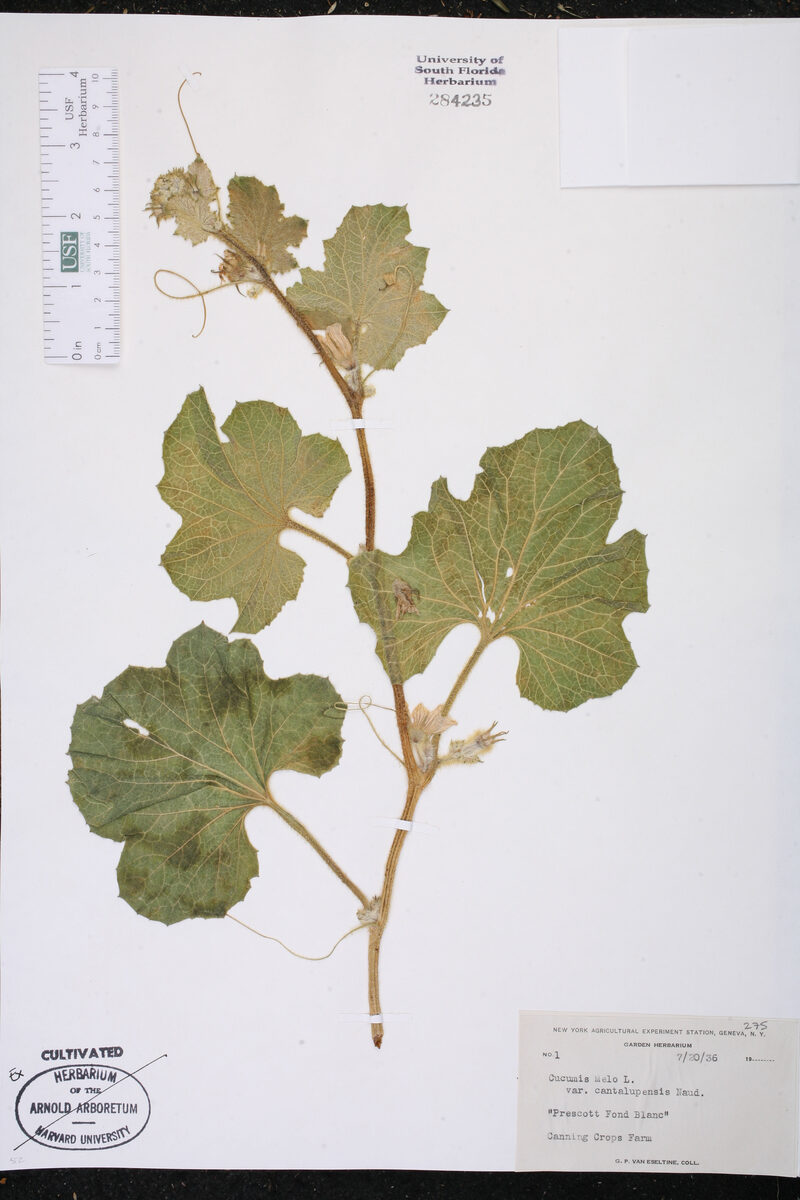
Cucumis melo var. cantalupensis
Musk melon, Cantaloupe, Rock melon
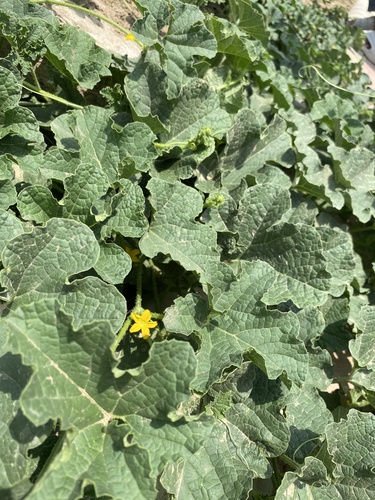
Cucumis melo var. chito
Dudaim melon, Garden-lemon, Mango melon, Melon-apple, Orange melon
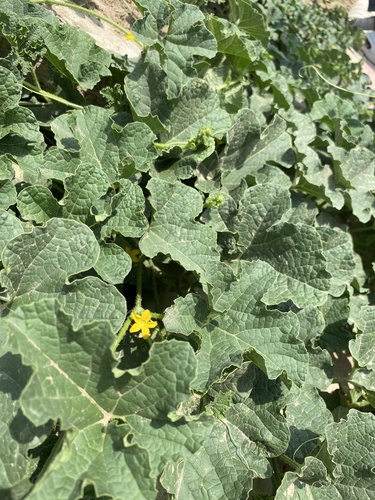
Cucumis melo var. conomon
Oriental pickling melon, Tea melon
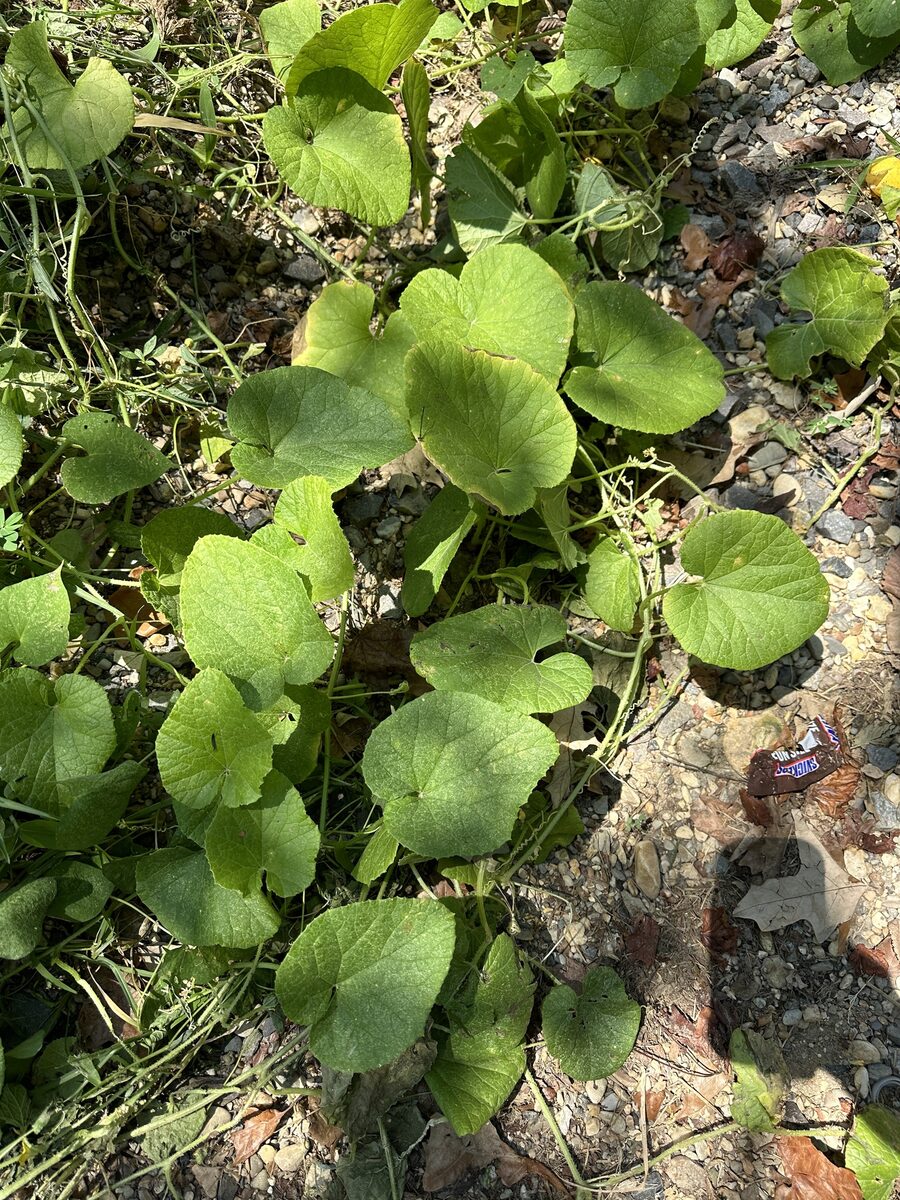
Cucumis melo var. dudaim
Watermelon, Dudaim melon, Pomegranate melon
Cucumis melo var. flexuosus
Armenian cucumber, Snake cucumber
Cucumis melo var. inodorus
Honeydew melons, Casaba melon, Winter melon