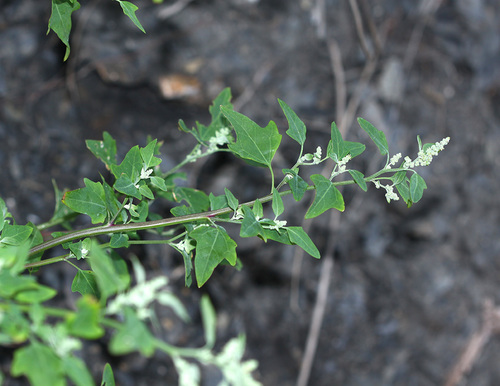
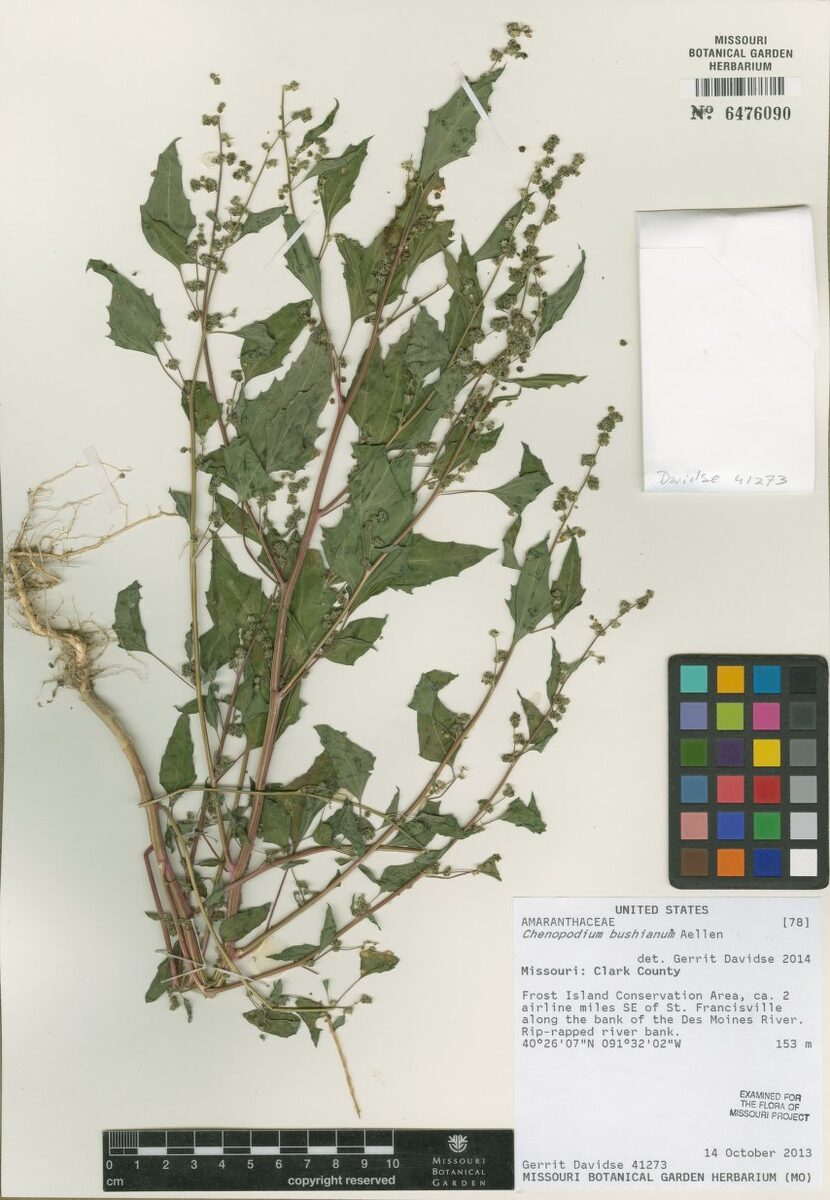
Dysphania plantaginella
F. Muell.
Crumbweed
iNaturalist· cc-by-nc
(c) geoffbyrne, some rights reserved (CC BY-NC)
iNaturalist· cc-by-nc
(c) geoffbyrne, some rights reserved (CC BY-NC)
iNaturalist· cc-by-nc
(c) geoffbyrne, some rights reserved (CC BY-NC)
Description
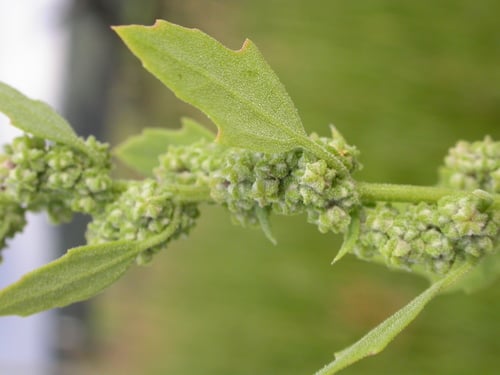
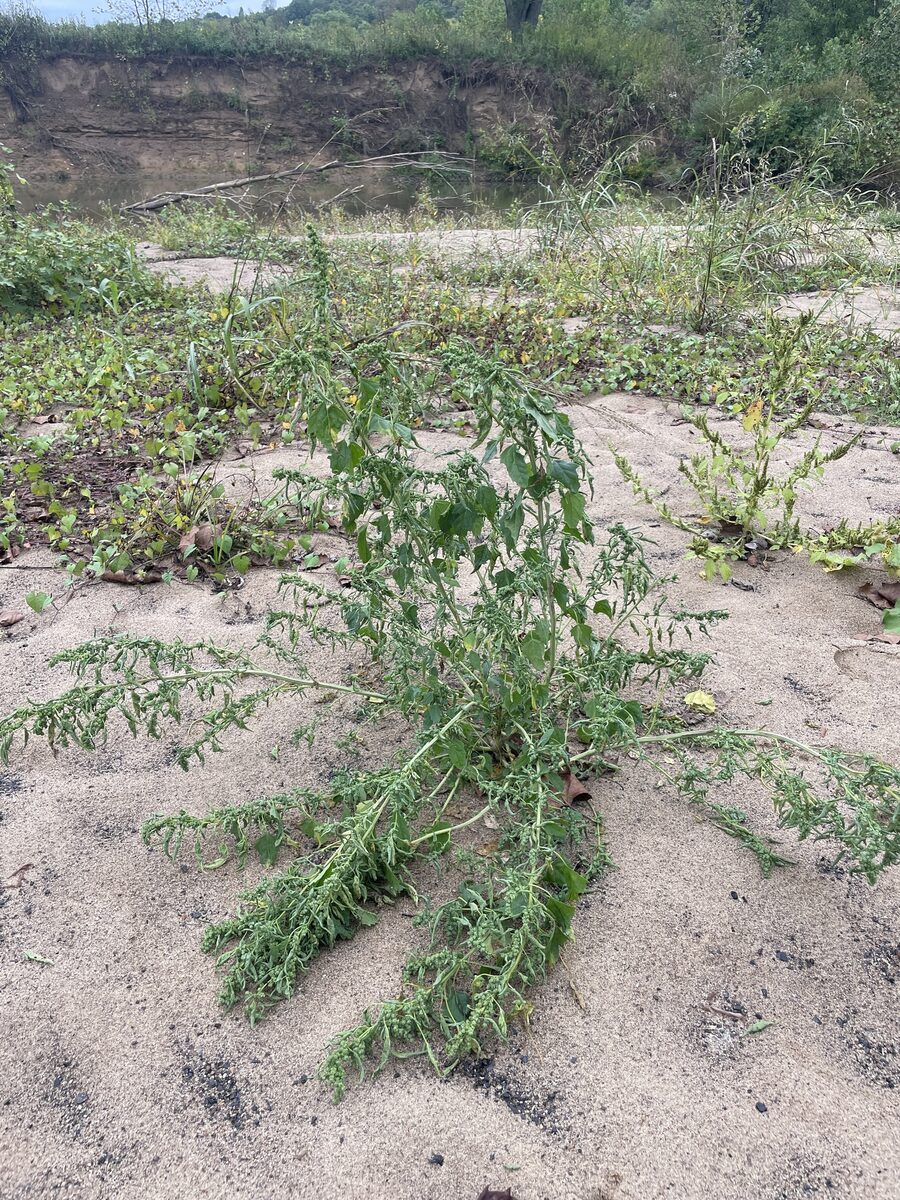
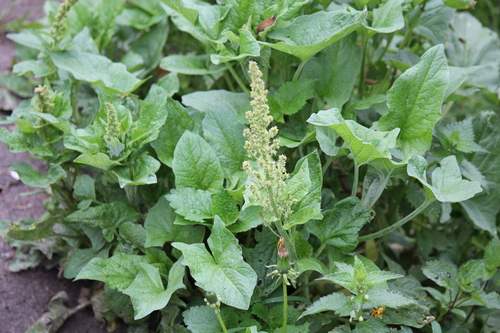
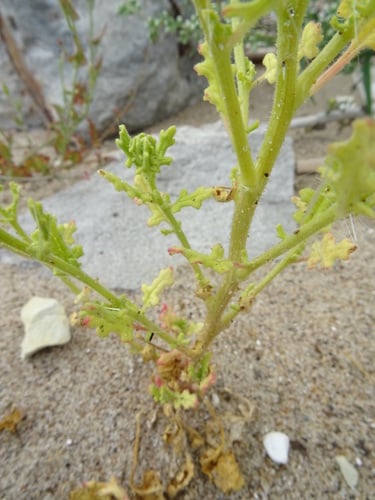
An annual herb. It can lie along the ground or curve upwards at the tips. It grows 3-20 cm high. The flowers are green and yellow.
This description is brief — help expand it
Edible Uses
The seeds are eaten.
Distribution
It is a tropical plant. It grows on sand, clay or loam. It can tolerate salt.
Where It Grows
Australia*,
Notes
There are 9 Dysphania species. Also put in the family Chenopodiaceae.
References (6)
- Bindon, P., 1996, Useful Bush Plants. Western Australian Museum. p 109
- Cancilla, D., 2018, Ethnobotanical and Ethnozoological Values Desktop Assessment - Eliwana Project. p 11
- Flora of Australia, Volume 4, Phytolaccaceae to Chenopodiaceae, Australian Government Publishing Service, Canberra (1984) p 158
- Kenneally, K.E., Edinger, D. C., and Willing T., 1996, Broome and Beyond, Plants and People of the Dampier Peninsula, Kimberley, Western Australia. Department of Conservation and Land Management. p 83
- Paczkowska, G. & Chapman, A.R., 2000, The Western Australian Flora. A Descriptive Catalogue. Western Australian Herbarium. p 203
Show all 6 references Hide references
- Wheeler, J.R.(ed.), 1992, Flora of the Kimberley Region. CALM, Western Australian Herbarium, p 99