Dysphania chilensis
(L.) Gray
Wormseed
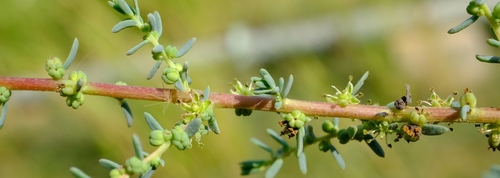
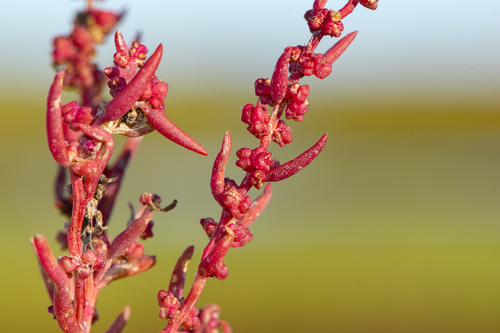
iNaturalist· cc-by-nc
(c) mildred_ehrenfeld, some rights reserved (CC BY-NC), uploaded by mildred_ehrenfeld
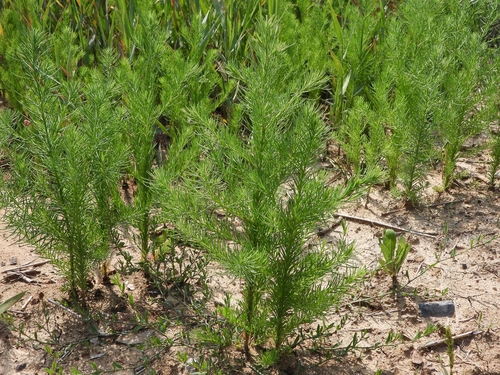
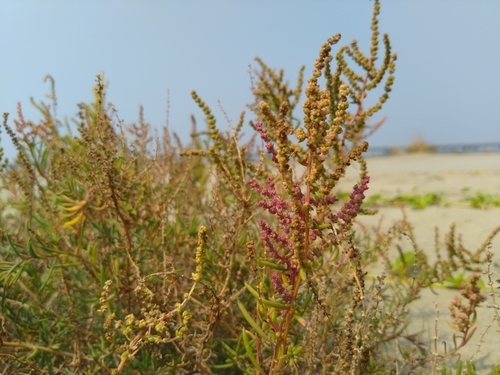
iNaturalist· cc-by-nc-sa
(c) Claudio Maureira, some rights reserved (CC BY-NC-SA)
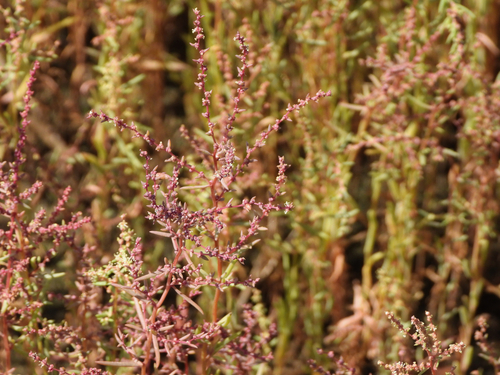
iNaturalist· cc-by-nc-sa
(c) Claudio Maureira, some rights reserved (CC BY-NC-SA)
Description
A perennial herb in the Amaranthaceae family found in tropical and subtropical regions, particularly in Argentina from sea level to 1,500 m altitude.
This description is brief — help expand it
Edible Uses
The leaves can be used for tea, and the seeds are edible.
Distribution
A tropical and subtropical plant. In Argentina it grows from sea level to 1,500 m above sea level.
Where It Grows
Argentina, Australia, Bahamas, Brazil, Central America, Chile, China, Colombia, Dominican Republic, Europe, Guatemala, Haiti, Malaysia, Mexico, North America, Panama, Peru, SE Asia, South America*, Spain, Trinidad, Turkey, Türkiye, Venezuela, West Indies,
Notes
There are about 100-150-250 Chenopodium species. They are mostly in temperate regions. Also put in the family Chenopodiaceae.
Synonyms
References (4)
- Bodkin, F., 1991, Encyclopedia Botanica. Cornstalk publishing, p 249
- Manual ed. 5:408. 1867
- Plants for a Future database, The Field, Penpol, Lostwithiel, Cornwall, PL22 0NG, UK. http://www.scs.leeds.ac.uk/pfaf/
- Seidemann J., 2005, World Spice Plants. Economic Usage, Botany, Taxonomy. Springer. p 95