Pergularia tomentosa
L.
iNaturalist· cc-by-nc
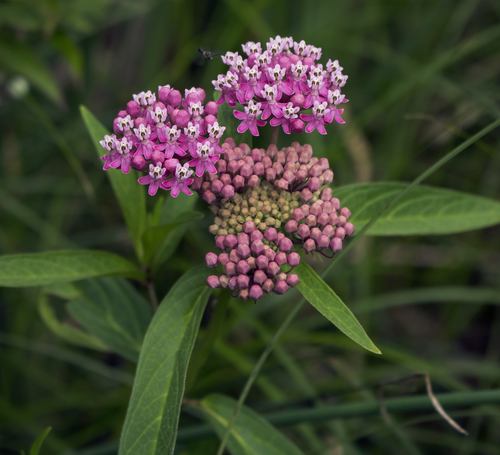
(c) Morten Ross, some rights reserved (CC BY-NC), uploaded by Morten Ross
iNaturalist· cc-by-nc
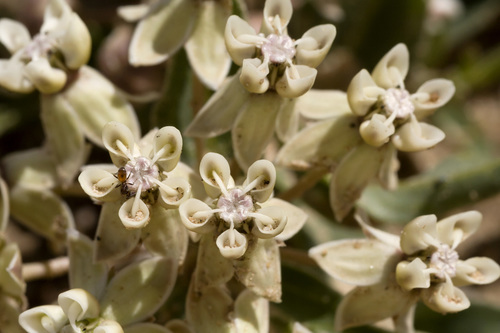
(c) Morten Ross, some rights reserved (CC BY-NC), uploaded by Morten Ross
iNaturalist· cc-by-nc
(c) Morten Ross, some rights reserved (CC BY-NC), uploaded by Morten Ross
Description
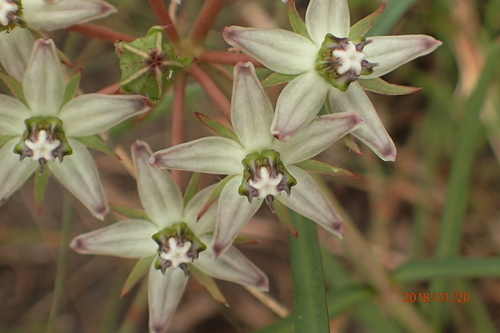
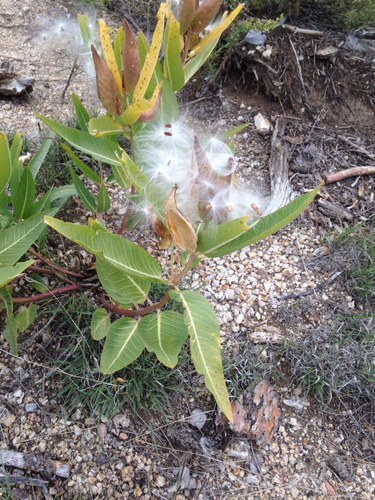
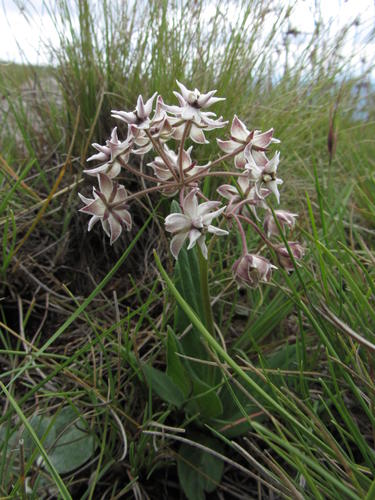
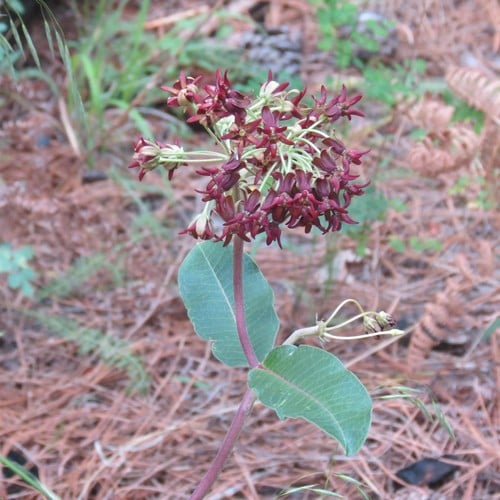
A climbing shrub. It keeps growing from year to year. It grows 1 m tall or higher. It has greenish hairs. The stems are slender. The leaves are large and heart shaped or kidney shaped. The flowers are greenish-yellow or white. The fruit follicles and 3-5 cm long and oval. They have a long beak. The seeds are small and oval.
Edible Uses
The stems are eaten as a famine food.
Traditional Uses
The stems are eaten as a famine food.
This uses section is brief — help expand it
Medicinal Uses
The plant is used as medicine.
Distribution
It is a tropical and subtropical plant. It can grow in arid places. It is salt tolerant.
Where It Grows
Afghanistan, Africa, Algeria, Burkina Faso, Central Africa, Chad, Egypt, Ethiopia, Iran, Israel, Jordan, Kenya, Malawi, Mali, Mauritania, Mediterranean, Middle East, Mozambique, Niger, Nigeria, North Africa, Oman, Pakistan, Qatar, Sahel, Saudi Arabia, Somalia, Sudan, Syria, United Arab Emirates, UAE, West Africa, Yemen,
Other Information
It is a famine food.
Notes
It is used as medicine.
Also Known As
Abu-groon, Ghalja
References (5)
- Grivetti, L. E., 1980, Agricultural development: present and potential role of edible wild plants. Part 2: Sub-Saharan Africa, Report to the Department of State Agency for International Development. p 26
- Kahnouj, H., et al, 2017, Pergularia tomentosa, from Traditional Uses to Ecology and Phytochemistry. Journal of Medicinal Plants. Volume 16, No. 63, Summer 2017
- Karim, F. M. & Dakheel, A, J., 2006, Salt-tolerant plants of the United Arab Emirates. 2006. International Center for Biosaline Agriculture, Dubai, UAE.
- Royal Botanic Gardens, Kew (1999). Survey of Economic Plants for Arid and Semi-Arid Lands (SEPASAL) database. Published on the Internet; http://www.rbgkew.org.uk/ceb/sepasal/internet [Accessed 4th April 2011]
- World Checklist of Useful Plant Species 2020. Royal Botanic Gardens, Kew