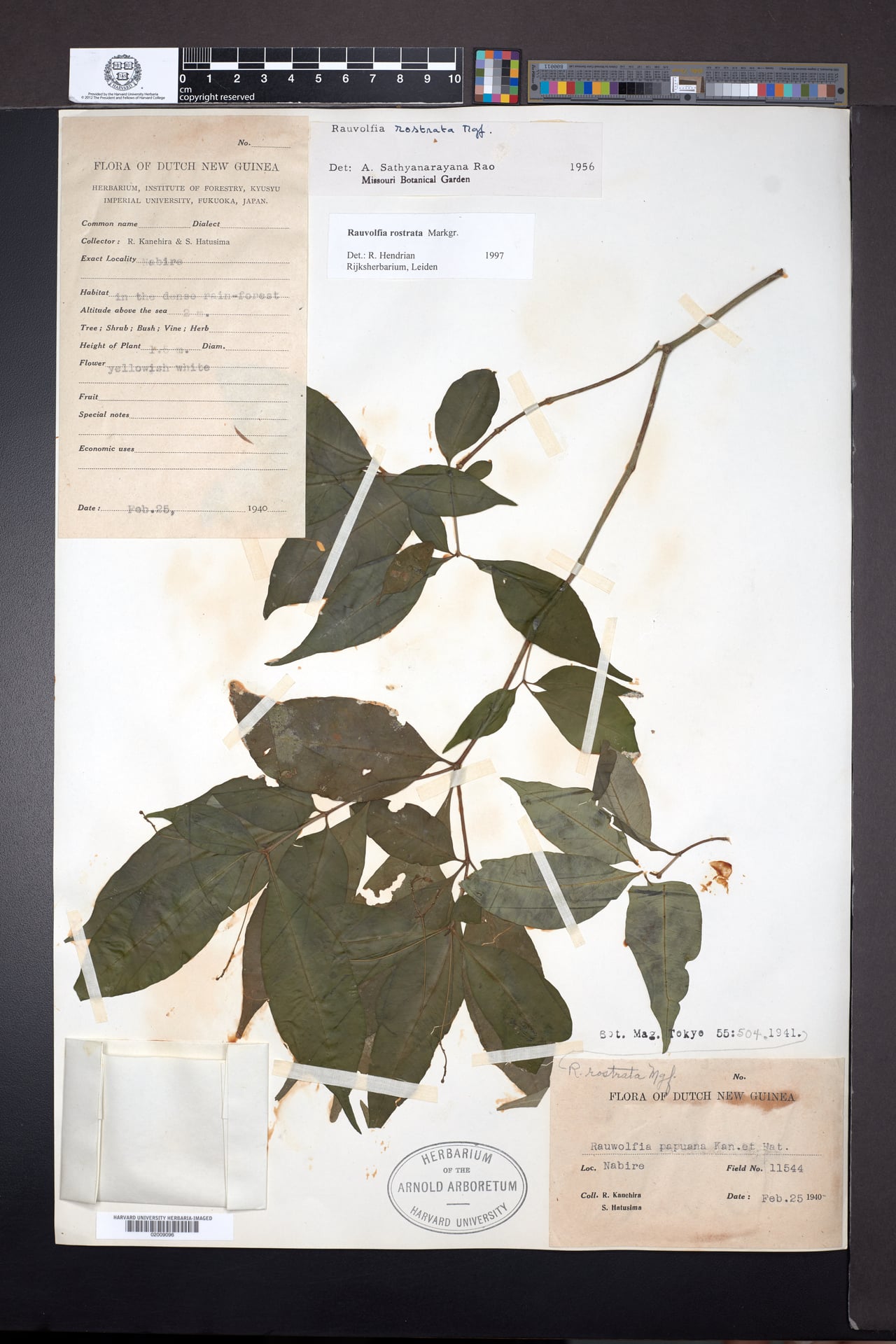
Hunteria zeylanica
(Retzius) Gardner ex Thwaites
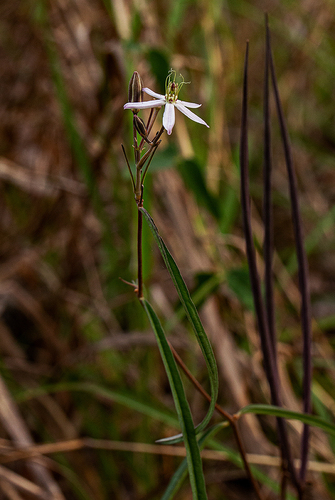
iNaturalist· cc-by-nc
(c) Geoffrey Mwachala, some rights reserved (CC BY-NC)
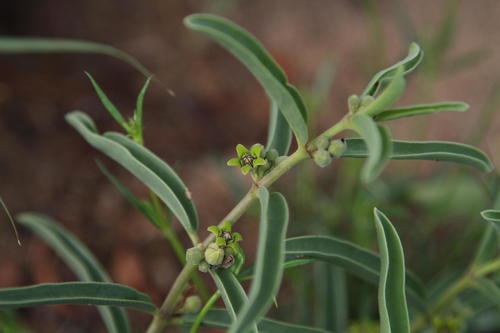
iNaturalist· cc-by-nc
(c) Geoffrey Mwachala, some rights reserved (CC BY-NC)
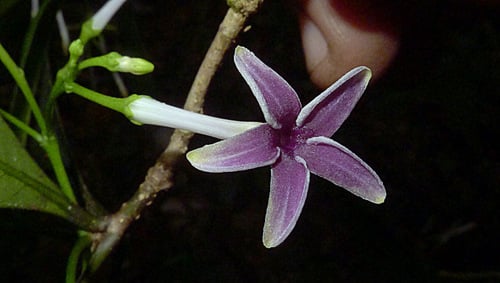
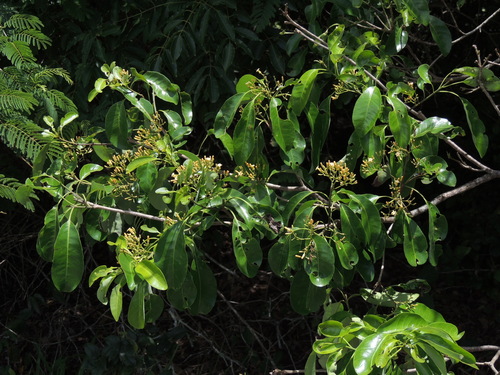
iNaturalist· cc-by-nc
(c) Aditya Gadkari, some rights reserved (CC BY-NC)
Summary
Source: WikipediaHunteria zeylanica grows as either an evergreen shrub or as a tree up to 15 metres (49 ft) tall, with a trunk diameter of up to 34.5 centimetres (13.6 in). Its flowers feature a white corolla. The berries are yellow. Its habitat is forests from sea level to 350 metres (1,150 ft) altitude. The trees can withstand salinity. Local medicinal uses include for stomach-ache. Hunteria zeylanica wood is used for weapon handles and as firewood. In Africa, the plant is native to Kenya and Tanzania and in Asia it is native to China, India, Sri Lanka, Indochina and western Malesia.
Description
A tree. It grows 15 m tall. The trunk is often fluted. The branches are slender and smooth. The leaves are narrowly oval and 5-18 cm long by 1-9 cm wide. The base is broadly wedge shaped. It tapers to the tip. There are more than 30 pairs of side veins. The flowers are white and have a strong smell. The fruit are yellow berries. They are 1-2 cm across. They usually occur in pairs. The seeds are 1.2 cm long by 8 mm wide.
Edible Uses
The fruit and leaves are eaten, and leaves are used as a vegetable.
Medicinal Uses
A leaf decoction is drunk to cure stomach-ache. The leaves are used as a healing poultice on wounds and cuts. Over 20 indole alkaloids have been isolated from the plant. The alkaloid corymine was extracted from the leaves. This compound aggravated convulsions induced by either picrotoxin or strychnine. In tests, a crude methanol extract of the leaves produced biphasic effects on the central nervous system, depression and stimulation, whereas corymine only had a stimulatory effect. A stem bark extract showed anti-inflammatory activity. This extract also exhibited antinociceptive and antipyretic effects - the former effect may be mediated by the anti-inflammatory action. The results of tests suggest that a stem bark extract has peripheral analgesic and mild antipyretic effects, with strictosidinic acid as the major active constituent.
Distribution
It is a tropical plant. In China it grows in dense mountain forests at medium and low elevations.
Where It Grows
Africa, Asia, China, East Africa, India, Indochina, Indonesia, Kenya, Laos, Malaysia, Mozambique, Myanmar, SE Asia, Sierra Leone, Sri Lanka, Thailand, Vietnam, West Africa,
Cultivation
A plant of lowland tropical areas, where it is found at elevations up to 350 metres. It can be found in areas of seasonal and also all year round rainfall. The trees can withstand waterlogging and salinity. The plant can flower all year round in parts of its range.
Other Uses
All parts of the plant contain a colourless or milky latex. The latex is used as a substitute for rubber. The brownish-yellow wood is very hard, close and even-grained. It is used for engraving, the handles of knives, swords or axes, combs, boxes, sheaths and bows. The wood is used as fuel.
Synonyms
Also Known As
Myinlaban, Zi lan shu
References (4)
- Flora of China. Vol. 16 p 151 and Flora of China. www.eFloras.org
- Hu, Shiu-ying, 2005, Food Plants of China. The Chinese University Press. p 631
- Mutie, F. M., et al, 2023, Important Medicinal and Food Taxa (Orders and Families) in Kenya, Based on Three Quantitative Approaches. Plants 2023, 12, 1145
- World Checklist of Useful Plant Species 2020. Royal Botanic Gardens, Kew