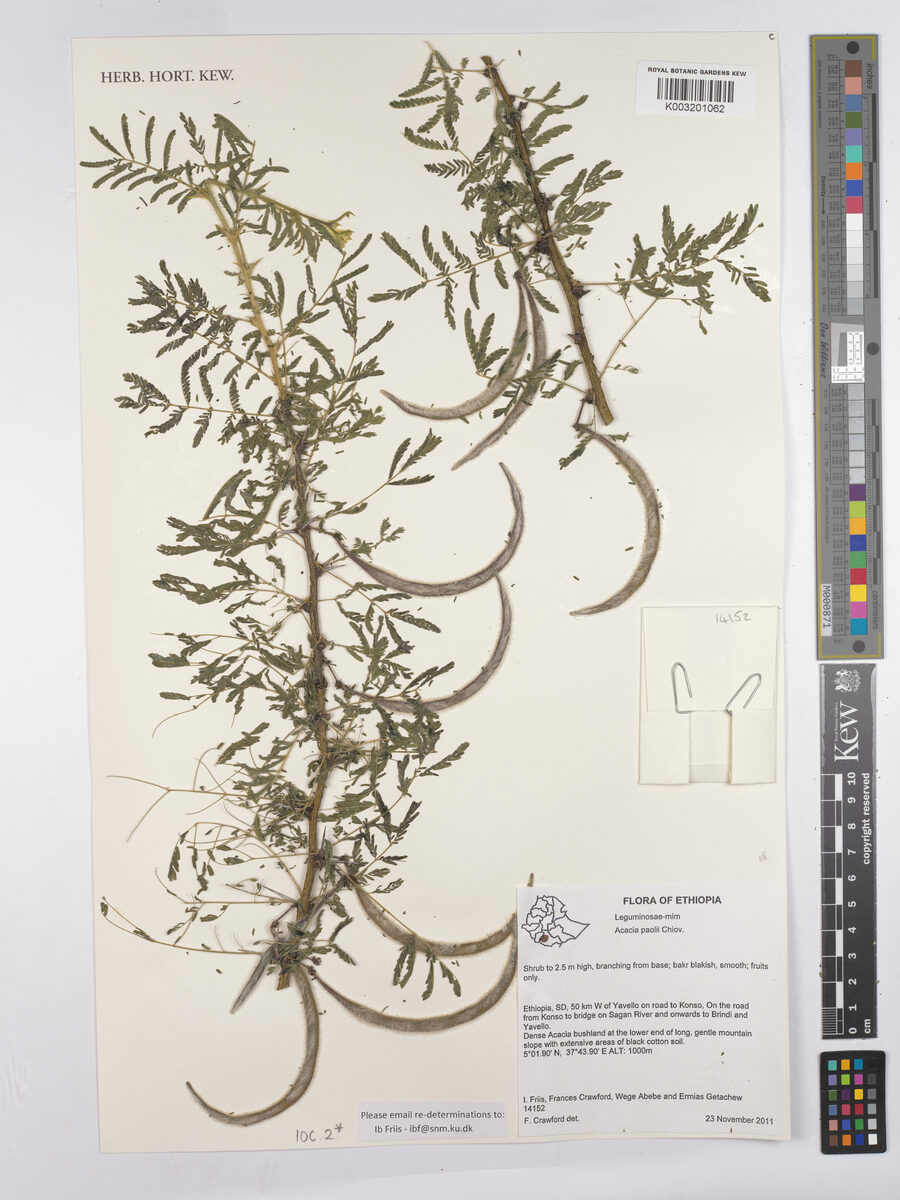
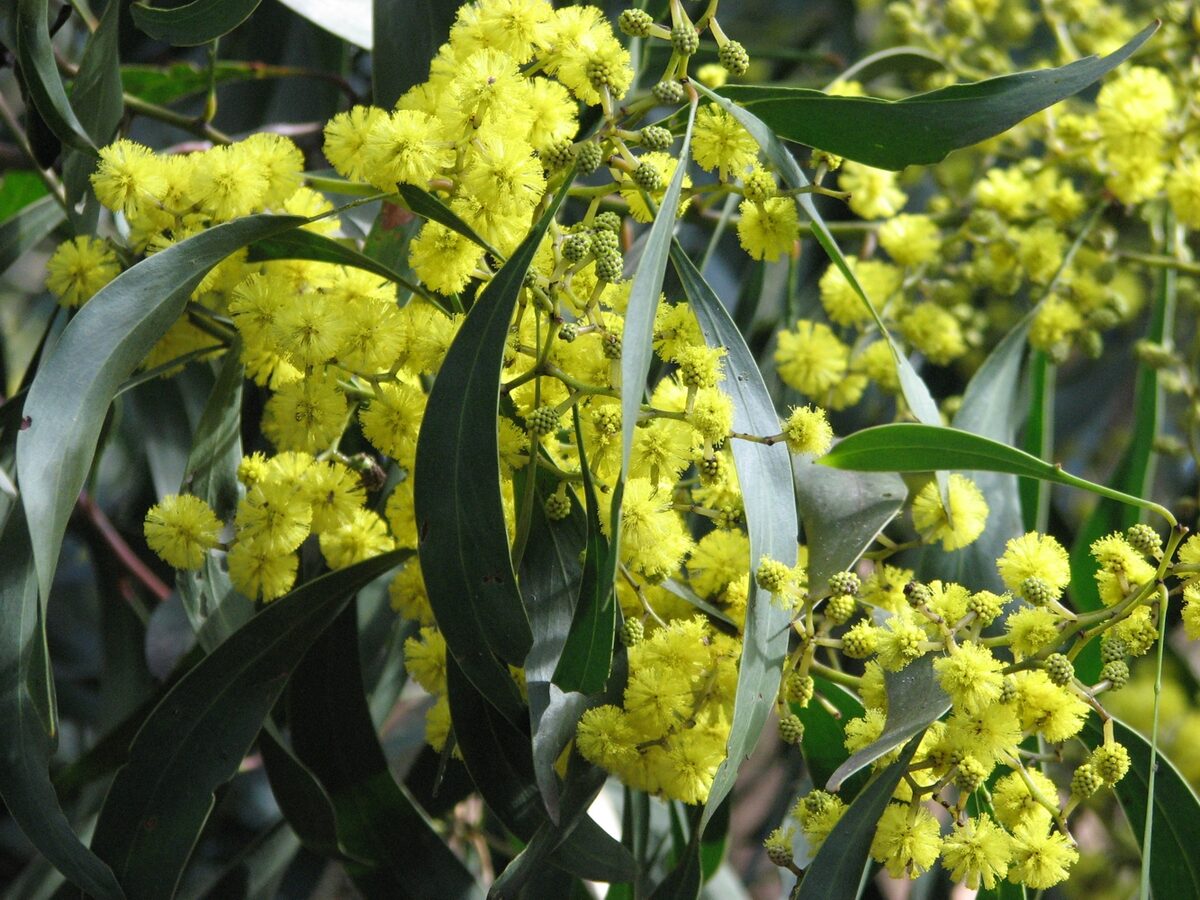
Callerya eriantha
(Benth.) Schot
iNaturalist· cc-by-nc
(c) esa_bt, some rights reserved (CC BY-NC)
gbif· cc0
President and Fellows of Harvard College
gbif· cc0
President and Fellows of Harvard College
Description
A woody climbing shrub in the Fabaceae family found in tropical lowland forests. It climbs over other plants and produces acid fruit.
This description is brief — help expand it
Edible Uses
Fruit - cooked. Eaten as a vegetable. Very acid. Seeds - cooked. Boiled and eaten as a vegetable. The above reports probably all refer to the same thing. Whether it is the seeds themselves, or the seedpods with the seeds, I am not certain. The ovate to obovate, inflated seedpods are around 6 - 9cm long x 4 - 5cm wide, with a velvety hairy exterior. They contain one, rarely two seeds fused together, each around 45mm x 35mm x 20mm thick.
Traditional Uses
The fruit are cooked and eaten. They are acid. They are boiled.
This uses section is brief — help expand it
Known Hazards
Millettia and related species in general contain a range of toxic substances, especially isoflavones. Rotenone is probably the best known of these isoflavones and it is found especially in the seeds and roots of the plants. Rotenone is often used locally as a fish poison - the rotenone kills or stuns the fish making them easy to catch, but the fish remain perfectly safe for warm-blooded creatures to eat. Rotenone is classified by the World Health Organization as moderately hazardous. It is mildly toxic to humans and other mammals, but extremely toxic to many insects (hence its use as an insecticide) and also to aquatic life, including fish. This higher toxicity in fish and insects is because the lipophilic rotenone is easily taken up through the gills or trachea, but not as easily through the skin or the gastrointestinal tract. The lowest lethal dose for a child is 143 mg/kg, but human deaths from rotenone poisoning are rare because its irritating action causes vomiting. Deliberate ingestion of rotenone, however, can be fatal. The compound decomposes when exposed to sunlight and usually has an activity of six days in the environment. Millettia species often also contain other potentially toxic compounds, especially saponins and alkaloids.
Distribution
It is a tropical plant. It grows in lowland forests.
Where It Grows
Asia, Indochina, Indonesia, Malaysia, SE Asia, Thailand,
Cultivation
Plants are grown from seeds.
Propagation
Pre-soak the seed for 12 hours in warm water and sow in a container in a lightly shaded position. When they are large enough to handle, prick the seedlings out into individual pots and grow them on until large enough to plant out. Layering in spring. Cuttings of half-ripe wood with the leaves removed.
Synonyms
Also Known As
Akar koyah, Akar kuayah, Akar pua
References (4)
- Burkill, I.H., 1966, A Dictionary of the Economic Products of the Malay Peninsula. Ministry of Agriculture and Cooperatives, Kuala Lumpur, Malaysia. Vol 2 (I-Z) p 2297 (As Whitfordiodendron erianthum)
- Fern, K., 2012, Tropical Species Database http://theferns.info/tropical/
- Milow, P., et al, 2013, Malaysian species of plants with edible fruits or seeds and their evaluation. International Journal of Fruit Science. 14:1, 1-2 (As Millettia eriantha)
- World Checklist of Useful Plant Species 2020. Royal Botanic Gardens, Kew