Callerya nieuwenhuisii
(J. J. Smith) Schot
Fabaceae Edible: Fruit
iNaturalist· cc-by-nc
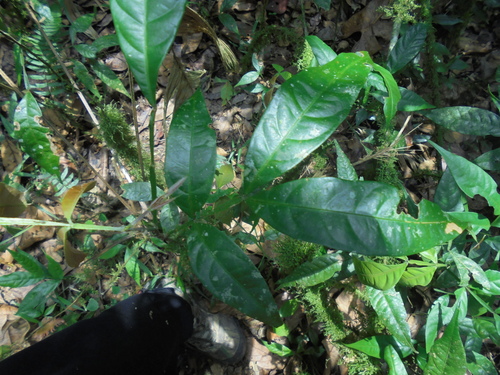
(c) narido, some rights reserved (CC BY-NC)
iNaturalist· cc-by-nc
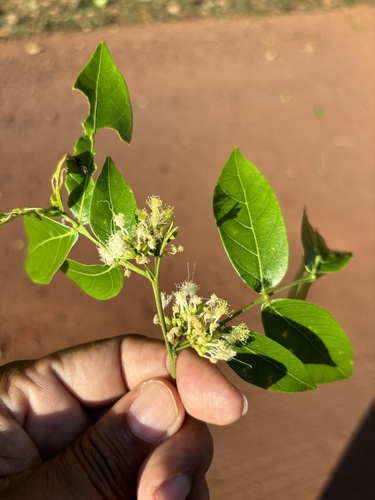
(c) narido, some rights reserved (CC BY-NC)
iNaturalist· cc-by-nc
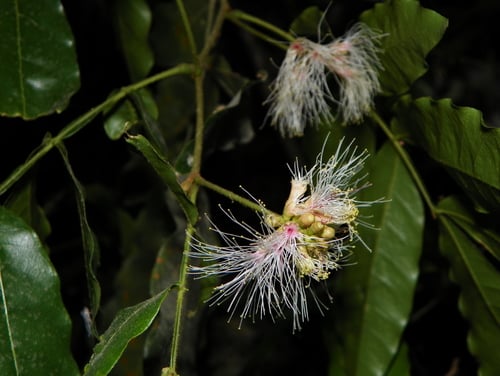
(c) Tri Atmoko, some rights reserved (CC BY-NC)
Description
A woody vine or creeper. It is twisting on ground. It grows 20 meters long . The bark is brown. The leaves have 3 leaflets. Flowers are orange. They occur in groups along the stem. Fruit boiled and eaten.
Edible Uses
The fruit is boiled and eaten.
Distribution
A tropical plant. It grows in closed forest up to 1,600 m above sea level in Sarawak.
Where It Grows
Asia, Brunei, Malaysia, Sarawak, SE Asia,
Notes
There are 19 Callerya species.
Synonyms
Adinobotrys myrianthus DunnAdinobotrys nieuwenhuisii (J. J. Sm.) DunnMillettia cuspidata Ridl.Millettia nieuwenhuisii J. J. Sm.Whitfordiodendron myrianthum (Dunn) Merr.Whitfordiodendron nieuwenhuisii (J. J. Sm.) Merr.
Also Known As
Akar belum, Akar kelalai, Bingol, Blungka, Rendan belum
References (2)
- Chai, P. P. K. (Ed), et al, 2000, A checklist of Flora, Fauna, Food and Medicinal Plants. Lanjak Entimau Wildlife Sanctuary, Sarawak. Forestry Malaysia & ITTO. p 168 (As Whitfordiodendron nieuwenhuisii)
- Slik, F., www.asianplant.net