Achillea ptarmica
L.
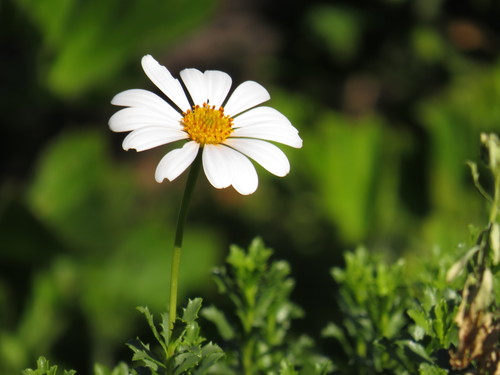
Sneeze-wort
iNaturalist· cc-by-nc-sa
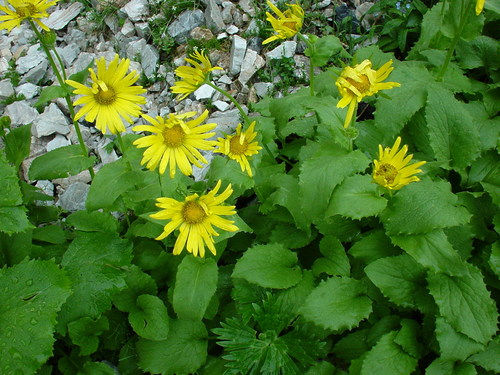
(c) Juha Haataja, some rights reserved (CC BY-NC-SA)
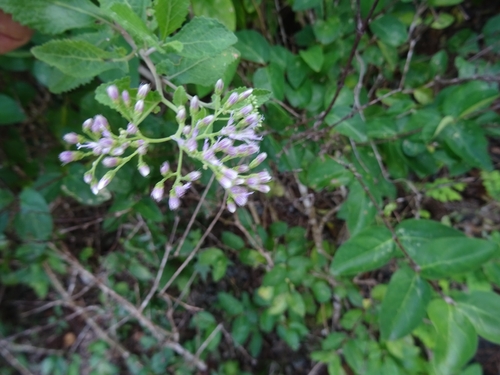
iNaturalist· cc-by-nc
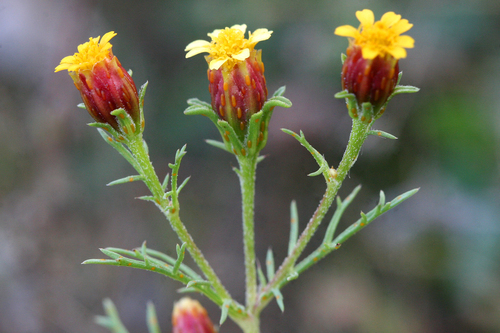
(c) Марина Горбунова-Ëлкина, some rights reserved (CC BY-NC), uploaded by Марина Горбунова-Ëлкина
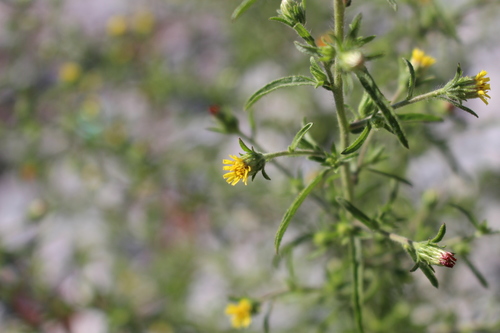
iNaturalist· cc-by-nc
(c) Марина Горбунова-Ëлкина, some rights reserved (CC BY-NC), uploaded by Марина Горбунова-Ëлкина
Summary
Source: WikipediaAchillea ptarmica is a Eurasian species of herbaceous perennial flowering plant in the genus Achillea. Common names include the sneezewort, sneezeweed, bastard pellitory, European pellitory, fair-maid-of-France, goose tongue, sneezewort yarrow, wild pellitory, and white tansy.
Description
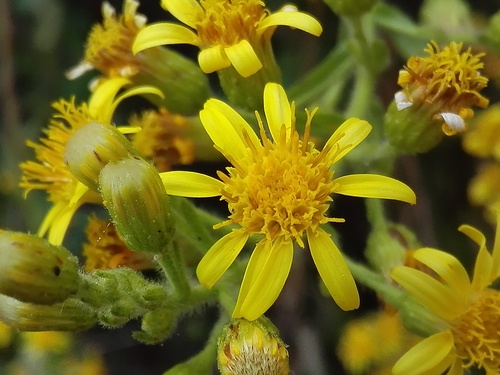
A shrub or small tree. It grows 5 m tall. There are prickles along the stem. The leaves are twice divided and there are 8-18 pairs of pinnae. There are up to 50 pairs of pinnules on each pinnae. The flowers are yellow. They are in large clusters at the ends of branches. The pods are flattened.
Edible Uses
The leaves can be eaten raw or cooked and are used as a flavouring in salads.
Traditional Uses
Leaves are eaten raw or cooked. They are used as flavourings in salads. The flowers are used in herbal teas and lemonade. They are also fried in butter and sprinkled with sugar or orange juice.
Medicinal Uses
The plant is cardiac, diaphoretic, digestive, emmenagogue, odontalgic, sternutatory, and styptic, and also has antidiarrhoeal, antiemetic, antiflatulent, antirheumatic, and appetite-stimulating properties. Chewing a leaf can relieve toothache.
Known Hazards
None listed.
Distribution
It is a temperate plant. It grows in well drained soils in sunny positions. It is resistant to drought and frost. It suits hardiness zones 6-10.
Where It Grows
Asia, Australia, Britain, Czech Republic, Europe, France, Germany, India, Indonesia, Ireland, Italy, Korea, Luxembourg, Mediterranean, Netherlands, North America, Norway, Romania, Scandinavia, SE Asia, Slovenia, Spain, Tasmania, Turkey, Türkiye, USA,
Cultivation
It can be grown by dividing the rootstock. It is grown from seed. Seed germinate in 1-3 months. Seedlings can be transplanted. Plants can be grown from cuttings.
Propagation
Sow seed in spring or early autumn in a cold frame; it generally germinates within 1–3 months. Prick seedlings out into individual pots once large enough to handle and plant out during summer. Divide plants in spring or autumn — very straightforward, and divisions can go directly into their permanent positions. Basal cuttings of new shoots can be taken in spring; collect shoots at around 10cm tall, pot individually, and keep in a warm but lightly shaded spot. They should root within 3 weeks and be ready to plant out by summer.
Other Uses
The dried, powdered leaves are used as a sneezing powder. The plant yields an essential oil used medicinally, most likely obtained from leaves harvested just before flowering, though the source part is not specified in available records. The leaves are also used as an insect repellent.
Notes
There are about 85-100 Achillea species. They are temperate in Europe and Asia.
Also Known As
Aster rusia, Nyseryllik, Pehtranov rman, Rebricek bertram, Russian daisy
References (15)
- Bircher, A. G. & Bircher, W. H., 2000, Encyclopedia of Fruit Trees and Edible Flowering Plants in Egypt and the Subtropics. AUC Press. p 6
- Bodkin, F., 1991, Encyclopedia Botanica. Cornstalk publishing, p 43
- Bremness, L., 1994, Herbs. Collins Eyewitness Handbooks. Harper Collins. p 136
- Cundall, P., (ed.), 2004, Gardening Australia: flora: the gardener's bible. ABC Books. p 91
- Girard, N. J., 2020, Sustainable Foraging of Wild Edible Plants in Norway. A Biocultural Approach. M. Sc. thesis Norwegian University. p 128
Show all 15 references Hide references
- Irving, M., 2009, The Forager Handbook, A Guide to the Edible Plants of Britain. Ebury Press p 139
- Jack, M., Wild Foods and Medicines of Forest Garden Transylvania. http://www.forestgardentransylvania.org/ p10
- Joyce, D., 1998, The Garden Plant Selector. Ryland, Peters and Small. p 199
- Plants for a Future database, The Field, Penpol, Lostwithiel, Cornwall, PL22 0NG, UK. http://www.scs.leeds.ac.uk/pfaf/
- Sansanelli, S., et al, 2014, Wild food plants traditionall consumed in the area of Bologna (Emilia Romagna region, Italy). Journal of Ethnobiology and Ethnomedicine 10:69
- Simkova, K. et al, 2014, Ethnobotanical review of wild edible plants used in the Czech Republic. Journal of Applied Botany and Food Quality 88, 49-67
- Slocum, P.D. & Robinson, P., 1999, Water Gardening. Water Lilies and Lotuses. Timber Press. p 106
- Sp. pl. 2:898. 1753
- Sukarya, D. G., (Ed.) 2013, 3,500 Plant Species of the Botanic Gardens of Indonesia. LIPI p 1052
- Vermeulen, N, 1998, The Complete Encyclopedia of Herbs. Rebo Publishers. p 21