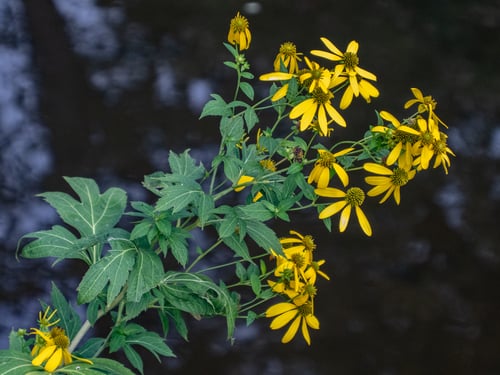
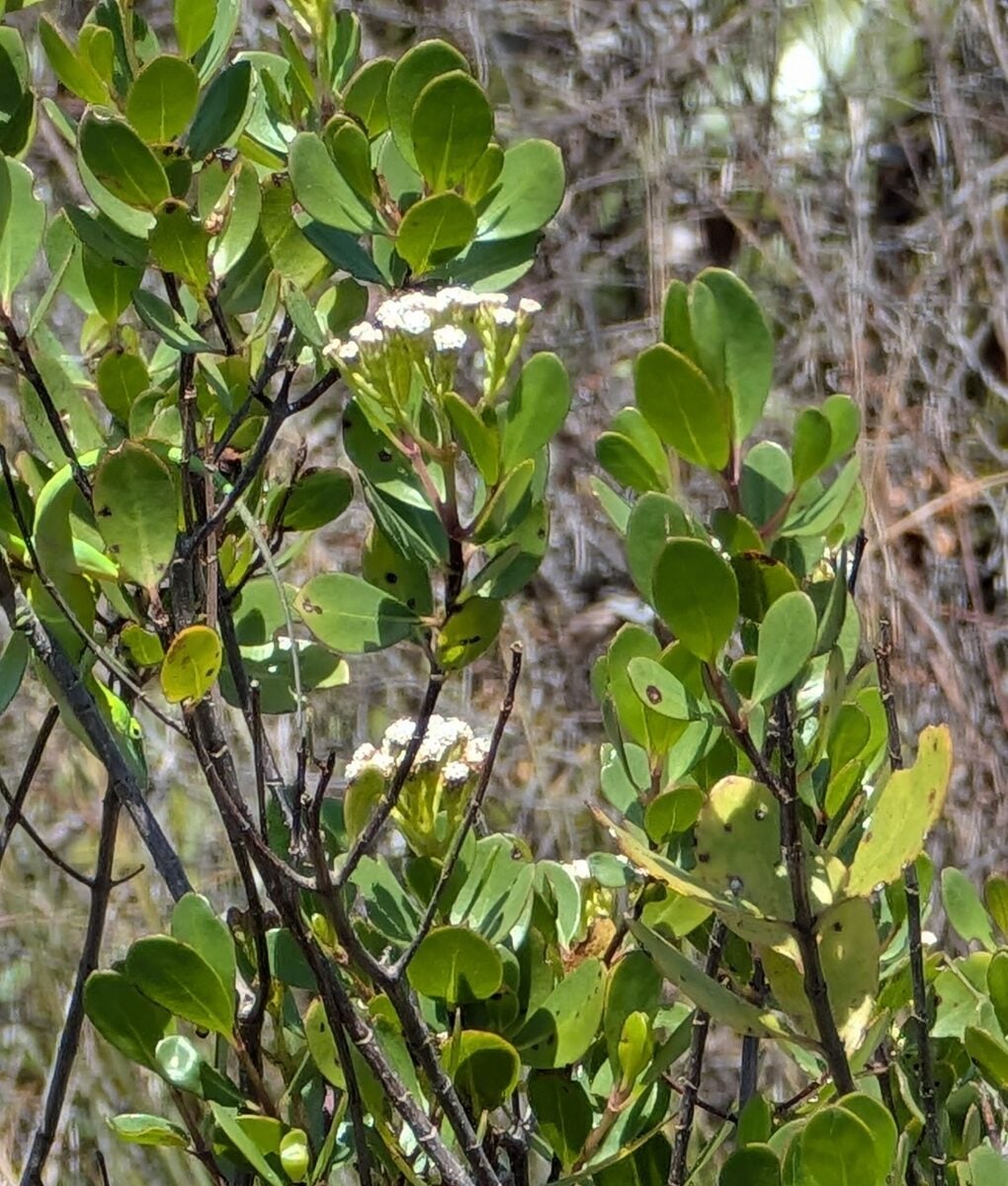
Scorzonera papposa
DC.
Oriental Viper's grass
iNaturalist· cc-by-nc
(c) elenakuraeva, some rights reserved (CC BY-NC)
iNaturalist· cc-by-nc
(c) elenakuraeva, some rights reserved (CC BY-NC)
iNaturalist· cc-by-nc
(c) elenakuraeva, some rights reserved (CC BY-NC)
Summary
Source: WikipediaA perennial reaching 0.3 m (1 ft) tall. Hermaphroditic flowers are pollinated by insects. Grows in light sandy, medium loamy, or heavy clay soils with good drainage. Tolerates mildly acidic, neutral, and mildly alkaline pH. Requires full sun and adapts to both dry and moist conditions.
Description
A perennial reaching 0.3 m (1 ft) tall. Hermaphroditic flowers are pollinated by insects. Grows in light sandy, medium loamy, or heavy clay soils with good drainage. Tolerates mildly acidic, neutral, and mildly alkaline pH. Requires full sun and adapts to both dry and moist conditions.
Edible Uses
The root is edible cooked. Young leaves and young shoots can be eaten raw or cooked, and the flowers are eaten raw.
Traditional Uses
The root can be eaten raw or roasted and eaten. The stems and leaves are eaten raw in salads. They are also cooked as a vegetable. The flowers are eaten raw.
Medicinal Uses
None known.
Distribution
It is a Mediterranean plant. It grows in dry soils. It can grow in arid places.
Where It Grows
Afghanistan, Africa, Armenia, Asia, Caucasus, Egypt, Europe, Iran, Iraq, Israel, Jordan, Mediterranean, Middle East, North Africa, Pakistan, Palestine, Saudi Arabia, Sinai, Syria, Turkey, Türkiye,
Cultivation
We have very little information on this species and do not know if it will be hardy in Britain, though judging by its native range it should succeed outdoors in many parts of the country. The following notes are based on the general needs of the genus. Succeeds in any soil in sun or light shade.
Propagation
Sow seed in spring in a greenhouse, pricking out seedlings into relatively deep pots as soon as they are large enough to handle, to accommodate the taproot. If growth is strong, plant out in early summer; otherwise overwinter in the greenhouse and plant out in late spring the following year. Divide in autumn or as growth begins in spring. Larger divisions can go straight into permanent positions. Smaller divisions are best potted up and grown on in a lightly shaded cold frame, then planted out once well established in summer.
Other Uses
None known.
Also Known As
Basha', Dhibbah, Rubahlah, Spinga sor
References (12)
- Ali-Shtayeh, M. S., et al, 2008, Traditional knowledge of wild edible plants used in Palestine (Northern West Bank): A comparative study. J Ethnobiol Ethnomed. 4: 13
- Al-Qura'n, S. A., 2010, Ethnobotanical and Ecological Studies of Wild Edible Plants in Jordan. Libyan Agriculture Research Center Journal International 1(4):231-243
- Bailey, C. and Danin, A., 1981, Bedouin Plant Utilization in Sinai and the Negev. Economic Botany 35(2): 145-162
- Ertug, F, Yenen Bitkiler. Resimli Türkiye Florası -I- Flora of Turkey - Ethnobotany supplement
- Hinnawi, N. S. A., 2010, An ethnobotanical study of wild edible plants in the Northern West Bank "Palestine". An-Najah National University. p 92
Show all 12 references Hide references
- Lim, T. K., Edible Medicinal and Non-Medicinal Plants Volume 7 Flowers
- Mandaville, J. P., 2004, Bedouin ethnobotany: Plant concepts and plant use in a desert pastoral world. PhD thesis University of Arizona. p 155
- Mukemre, M., et al, 2016, Survey of wild food plants for human consumption in villages of Catak, (Van-Turkey), Indian Journal of Traditional Knowledge. Vol. 15(2) pp. 183-191
- Plants for a Future database, The Field, Penpol, Lostwithiel, Cornwall, PL22 0NG, UK. http://www.scs.leeds.ac.uk/pfaf/
- Royal Botanic Gardens, Kew (1999). Survey of Economic Plants for Arid and Semi-Arid Lands (SEPASAL) database. Published on the Internet; http://www.rbgkew.org.uk/ceb/sepasal/internet [Accessed 14th April 2011]
- Tukan, S. K., et al, 1998, The use of wild edible plants in the Jordanian diet. International Journal of Food Sciences and Nutrition. 49:225-235
- World Checklist of Useful Plant Species 2020. Royal Botanic Gardens, Kew