Dorstenia africana
(Baill.) C. C. Berg.
iNaturalist· cc-by-nc
(c) apdrager, some rights reserved (CC BY-NC)
Description
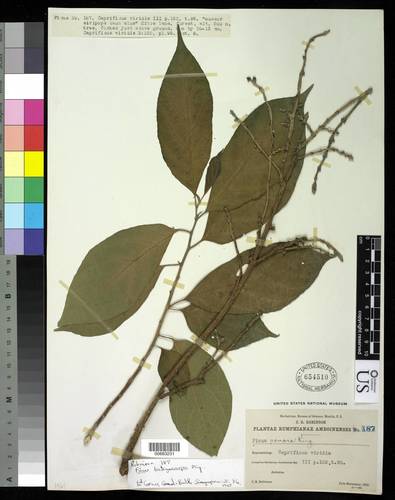
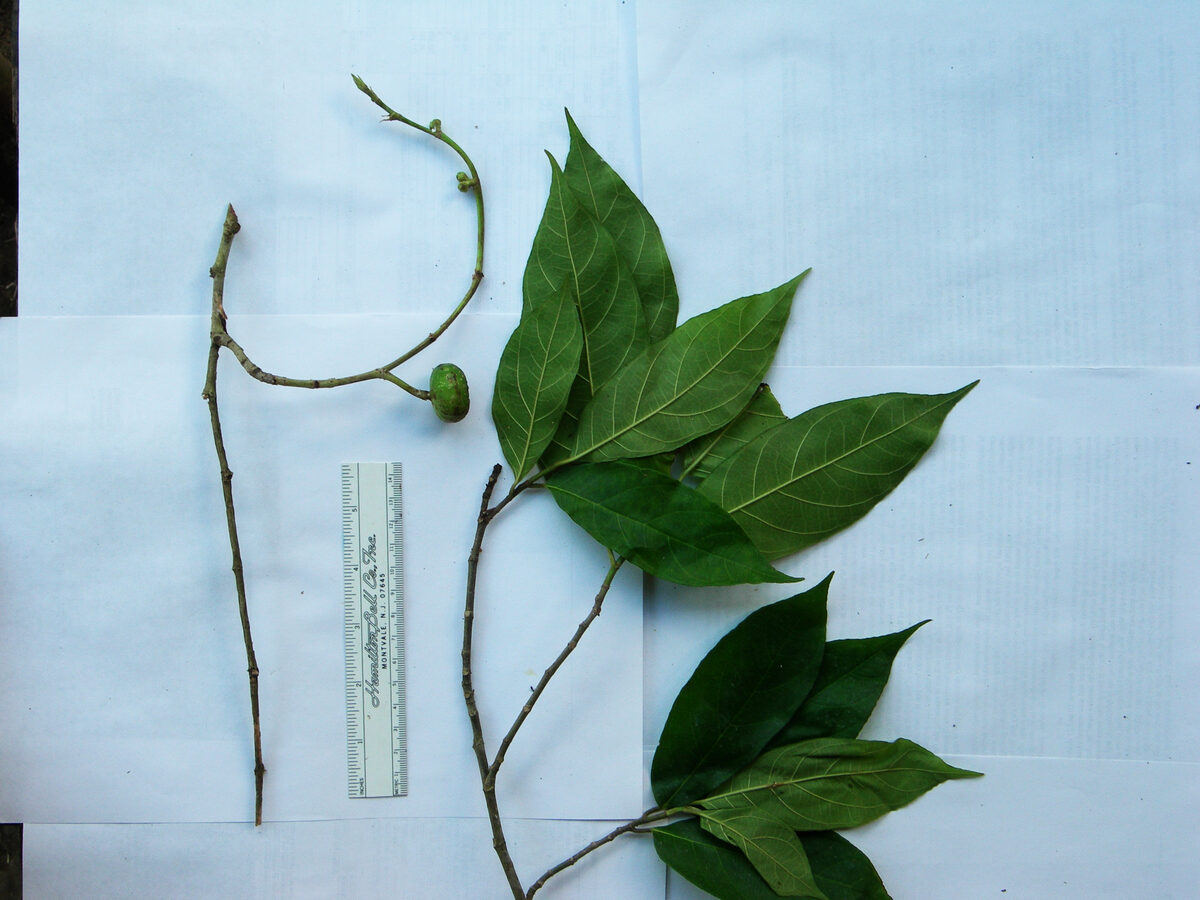
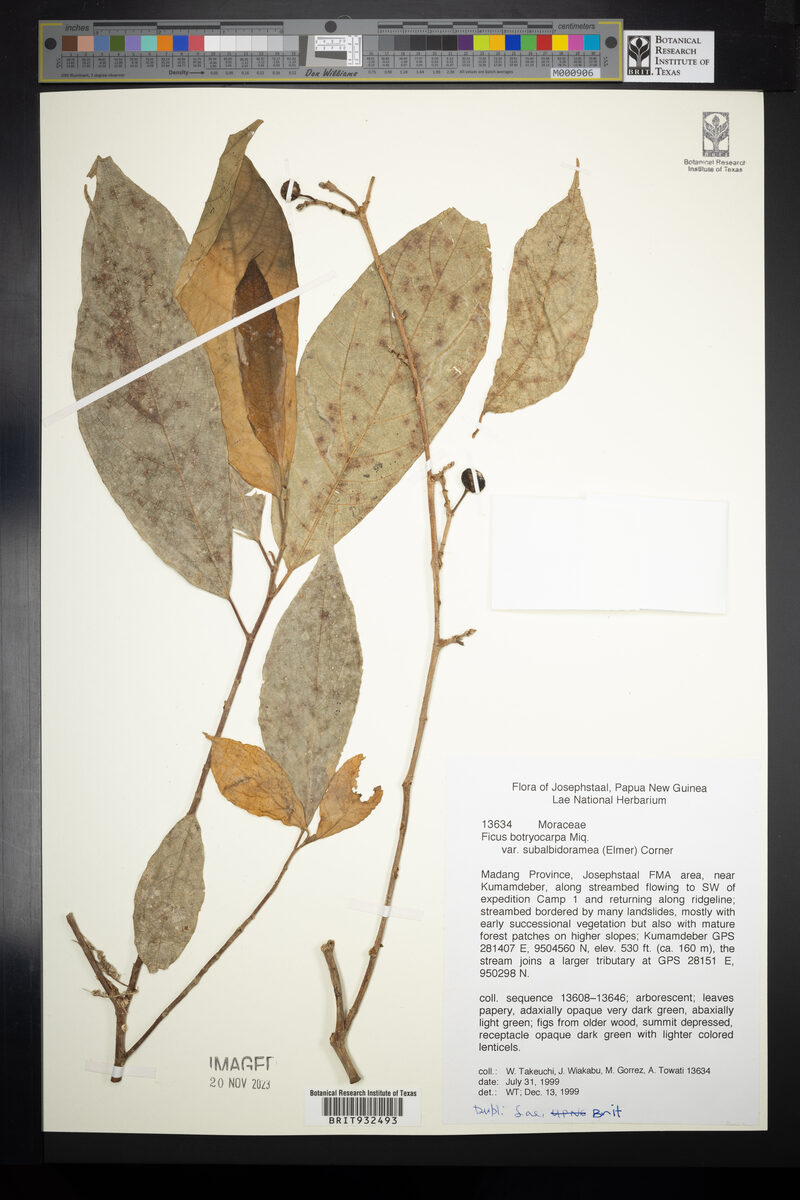
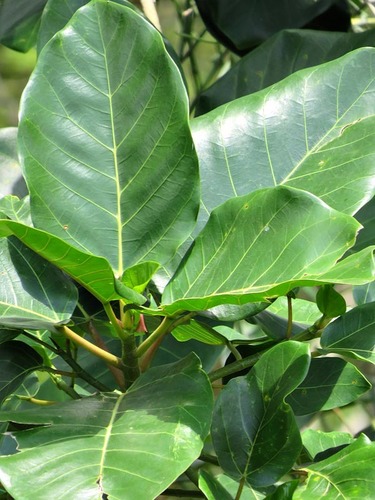
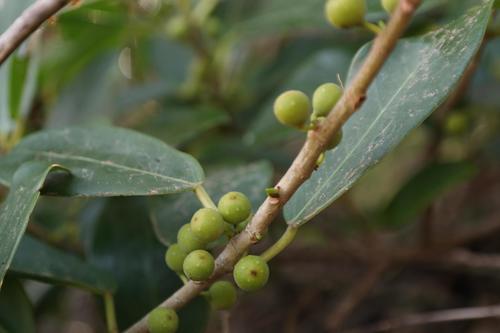
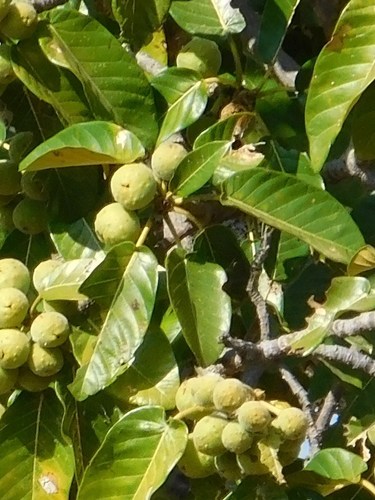
An erect tropical shrub in the Moraceae family growing to 2 m high with few branches, found in the undergrowth of high forests in lowland and low mountain regions of West Africa.
Edible Uses
The fruit is eaten.
Medicinal Uses
South American species such as Dorstenia contrajerva and Dorstenia brasiliensis are a source of the herbal preparation contrayerva that has been used as a tonic and febrifuge, and as an antidote in South American folk medicine. In North America powder made from the rootstocks and leaves of Dorstenia contrajerva is mixed with tobacco for improving the taste of cigarettes. In Oman the tubers of Dorstenia foetida are cooked and eaten. Dorstenia barteri is used in West African folk medicine. Scientific research has shown that it contains numerous flavonoid compounds that have anti-microbial, anti-reverse transcriptase, and anti-inflammatory effects.
Distribution
It is a tropical plant. It grows in the undergrowth of high forest in the lowland and low mountain regions of West Africa.
Where It Grows
Africa, Cameroon, Central Africa, Equatorial Guinea, Gabon, West Africa,
Synonyms
References (2)
- Burkill, H. M., 1985, The useful plants of west tropical Africa, Vol. 4. Kew.
- World Checklist of Useful Plant Species 2020. Royal Botanic Gardens, Kew