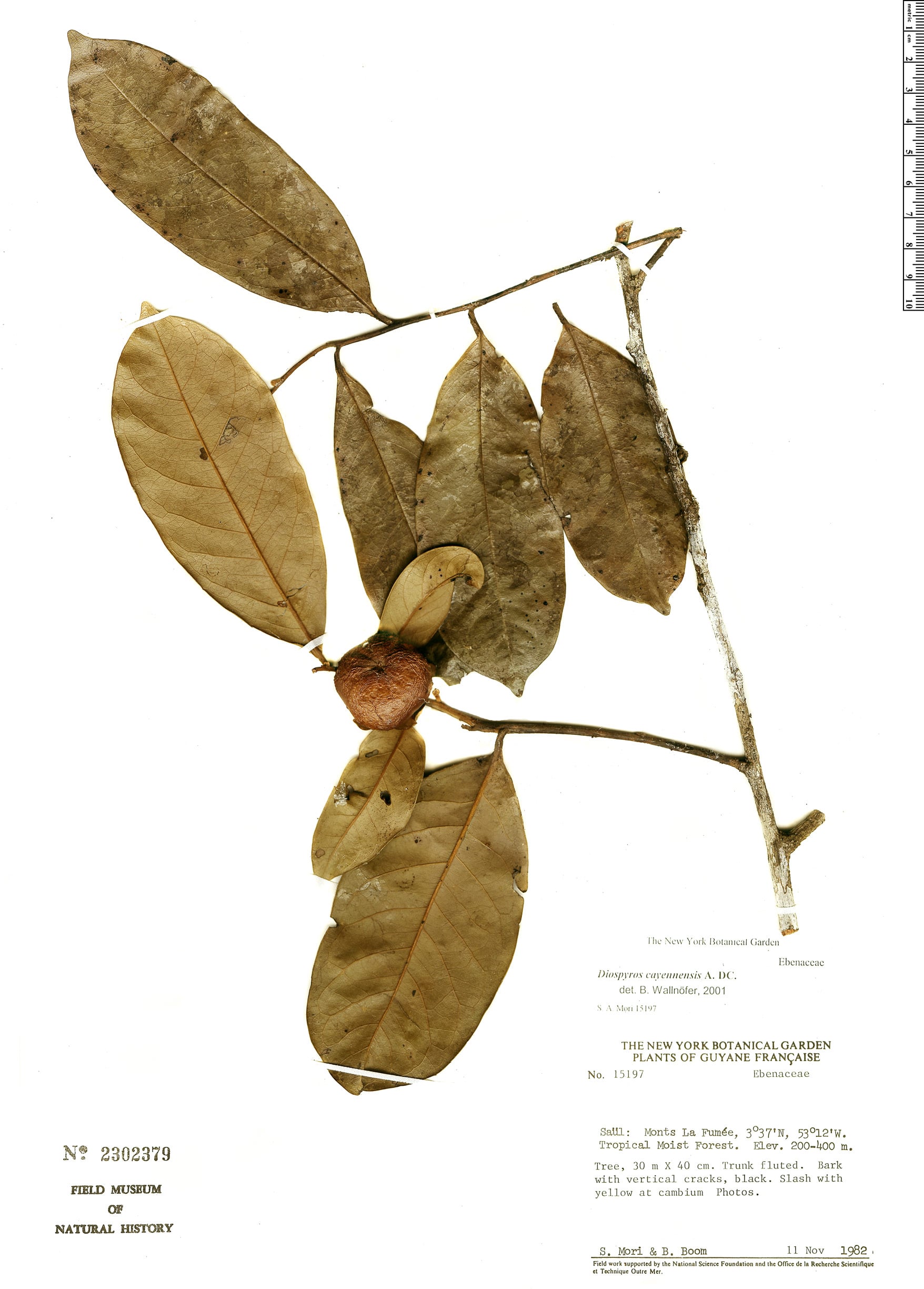
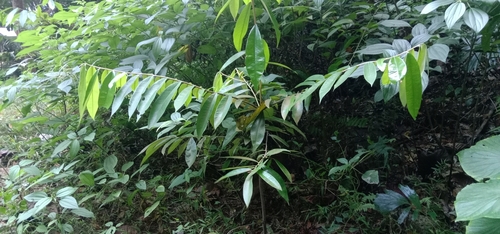
Diospyros soubreana
F. White
gbif· cc0
President and Fellows of Harvard College
gbif· cc0
President and Fellows of Harvard College
Description
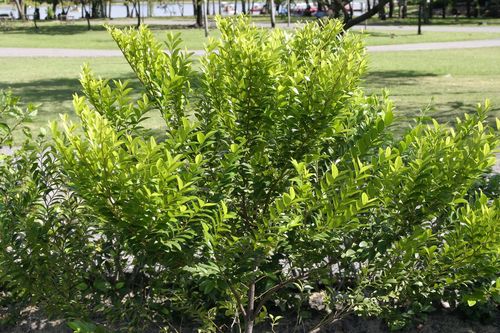
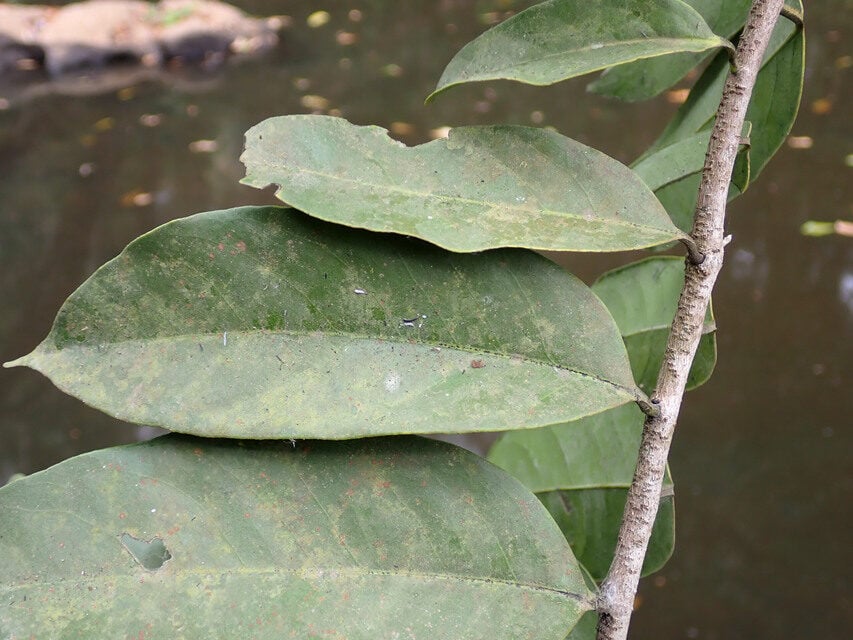
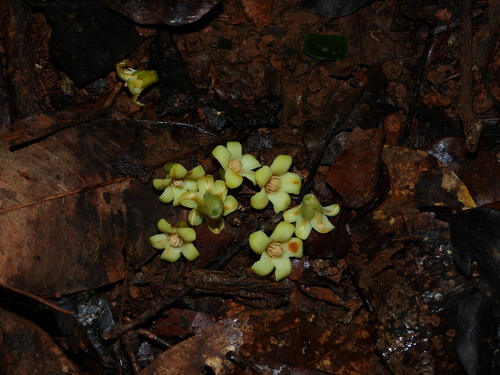
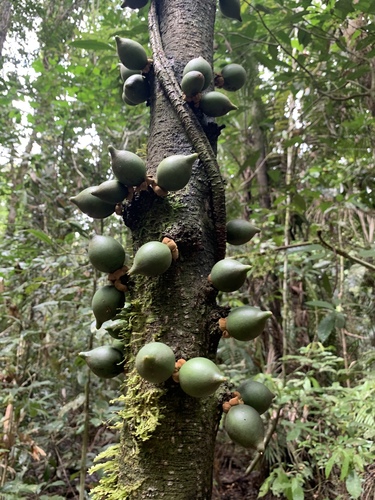
A shrub or tree. It grows 5 m high. The bark is black. The flowers are cream. The fruit are dark red and turn black.
This description is brief — help expand it
Edible Uses
The fruit is eaten fresh.
Traditional Uses
The fruit are eaten fresh.
This uses section is brief — help expand it
Medicinal Uses
The leaves are commonly pulped or chopped up into a plaster and used as a haemostatic dressing over cuts or even serious wounds.
Distribution
It is a tropical plant. It grows in the high closed forest in West Africa.
Where It Grows
Africa, Benin, Côte d'Ivoire, Ghana, Ivory Coast, Liberia, Nigeria, Sierra Leone, West Africa,
Cultivation
We have seen no individual confirmation for this species, but in general Diospyros species are dioecious and require both male and female forms to be grown if fruit and seed are required.
Propagation
Seed - in general the seed of Diospyros species has a very short viability and so should be sown as soon as possible. The flesh should be removed since this contains germination inhibitors. Sow the seed in a shady position in a nursery seedbed. The sowing media for ebony uses soil and fine sand at the ratio 3:1. The seed is planted horizontally or vertically with the radicle end down, with a sowing depth of 1 - 1½ times the thickness of seed. Distance between the seeds is 3 - 5cm. Seeds are very sensitive to desiccation during germination and early growth, so must be regularly watered at this time. Normally the seed will germinate after one week. As a rule fresh seeds have a high percentage of fertility. The seedlings develop long taproots at an early stage, often before any appreciable elongation of the shoot takes place. The growth of the seedling is decidedly slow .
Synonyms
Also Known As
Akasaa, Bakabri, Bihina, Buina, Ngavi, Piakambo, Tweto
References (5)
- Aboagye, L. M., et al, 2007, Underutilized species Policies and Strategies. Report. CSIR Ghana. p 11
- Burkill, H. M., 1985, The useful plants of west tropical Africa, Vol. 2. Kew.
- Codjia, J. T. C., et al, 2003, Diversity and local valorisation of vegetal edible products in Benin. Cahiers Agricultures 12:1-12
- Nyadanu, D., et al, 2015, Agro-biodiversity and challenges of on-farm conservation: the case of plant genetic resources of neglected and underutilized crop species in Ghana. Genet. Resourc. Crop Evol. 62(7):
- World Checklist of Useful Plant Species 2020. Royal Botanic Gardens, Kew