Diospyros mannii
Hiern
Zevelu
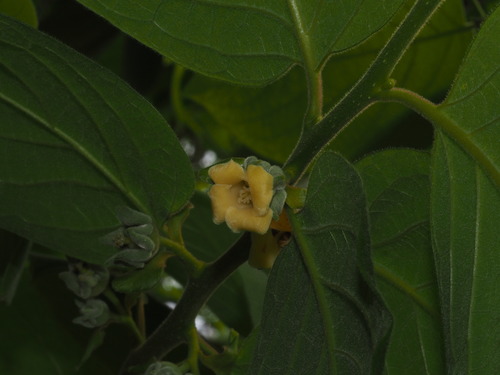
iNaturalist· cc-by-nc
(c) Carel Jongkind, some rights reserved (CC BY-NC), uploaded by Carel Jongkind
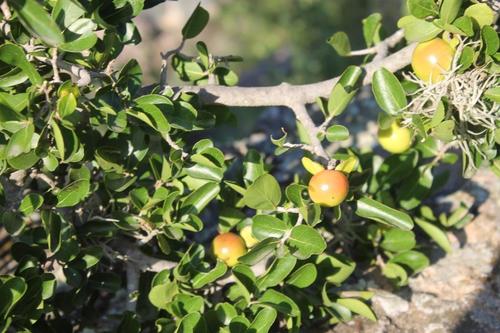
iNaturalist· cc-by-nc
(c) Carel Jongkind, some rights reserved (CC BY-NC)
Description
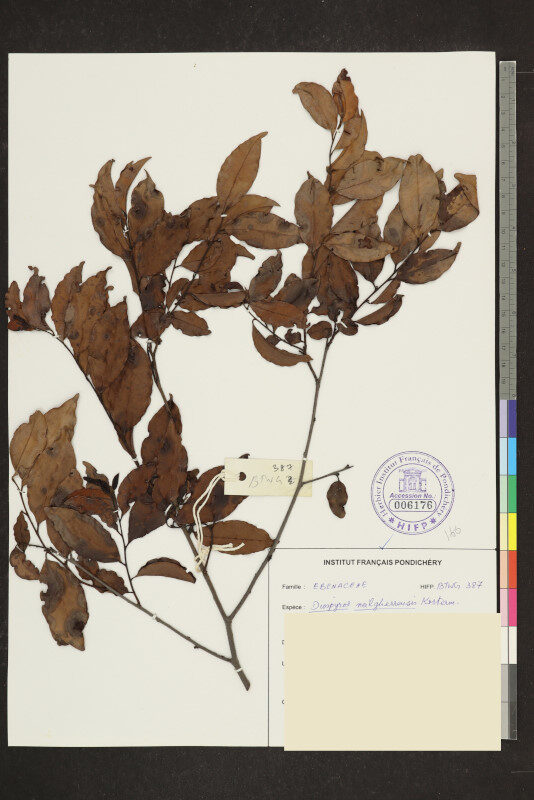
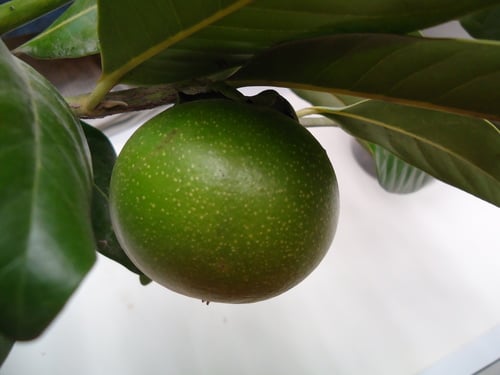
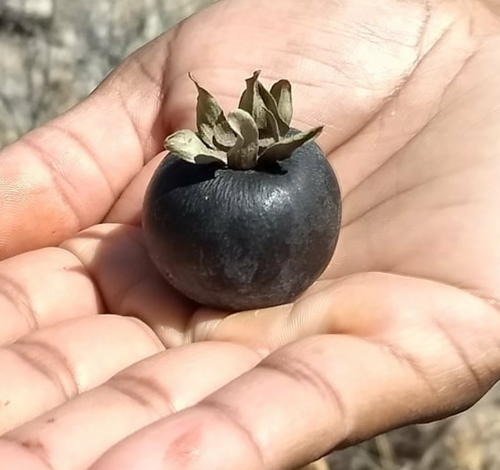
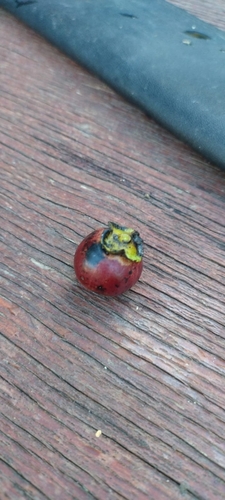
A tree. It grows 7-10 m high. It can be 20 m tall. Young shoots have rusty coloured hairs. The branches are often in rings. The leaves are oval but taper to the tip. They are 12 cm long by 5 cm wide. They are hairy on both surfaces. The fruit are orange. They are 10 cm across. They have red irritating hairs on the skin. The fruit sections have one seed each.
Edible Uses
The irritating hairs are removed from the fruit, which is then cut into sections and eaten.
Traditional Uses
The irritating hairs are ribbed off then the fruit cut open into sections.
This uses section is brief — help expand it
Known Hazards
The fruit has red irritating hairs on the skin that must be removed before consumption.
Distribution
It is a tropical plant. It grows in the rainforest. It suits humid locations. It is shade tolerant.
Where It Grows
Africa, Angola, Cameroon, Central Africa, Central African Republic, CAR, Congo DR, Equatorial Guinea, Gabon, Sierra Leone, West Africa,
Cultivation
Plants can be raised from seed.
Production
It is slow growing. It takes 10 years to get to fruit bearing.
Synonyms
References (2)
- Danforth, R.M., & Noren, P.D., 1997, Congo Native fruits. Twenty-five of the best. Privately published. p 13
- World Checklist of Useful Plant Species 2020. Royal Botanic Gardens, Kew