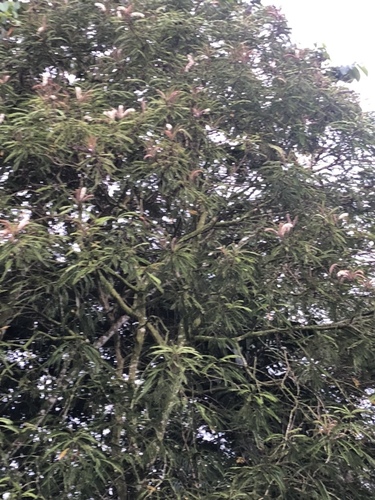
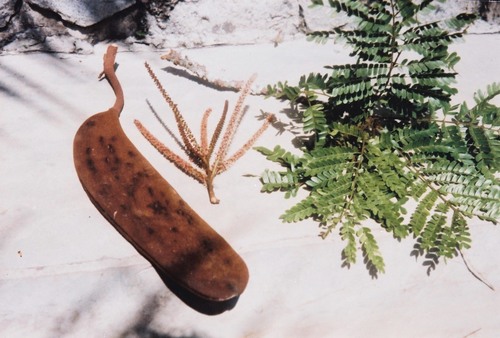
Berlinia confusa
Hoyle
Red oak
iNaturalist· cc-by-nc
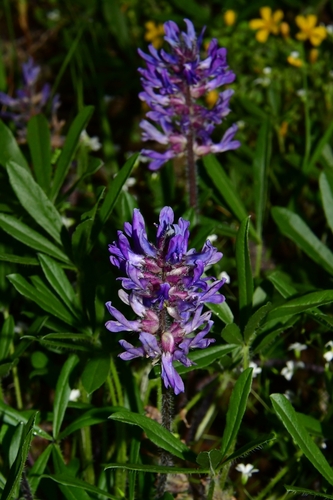
(c) Carel Jongkind, some rights reserved (CC BY-NC), uploaded by Carel Jongkind
iNaturalist· cc-by-nc
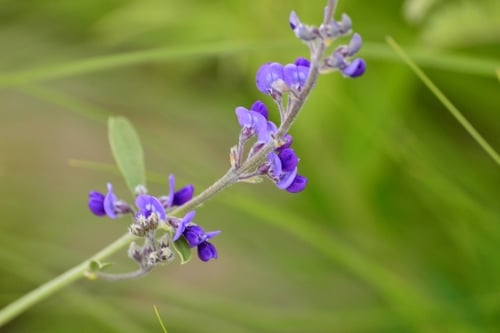
(c) Carel Jongkind, some rights reserved (CC BY-NC), uploaded by Carel Jongkind
iNaturalist· cc-by-nc
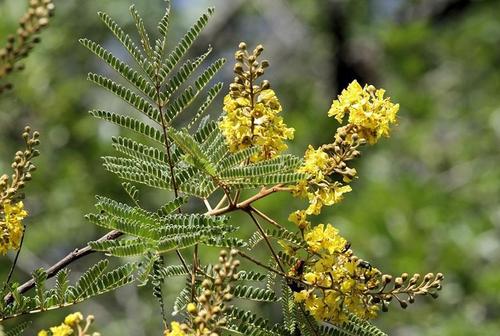
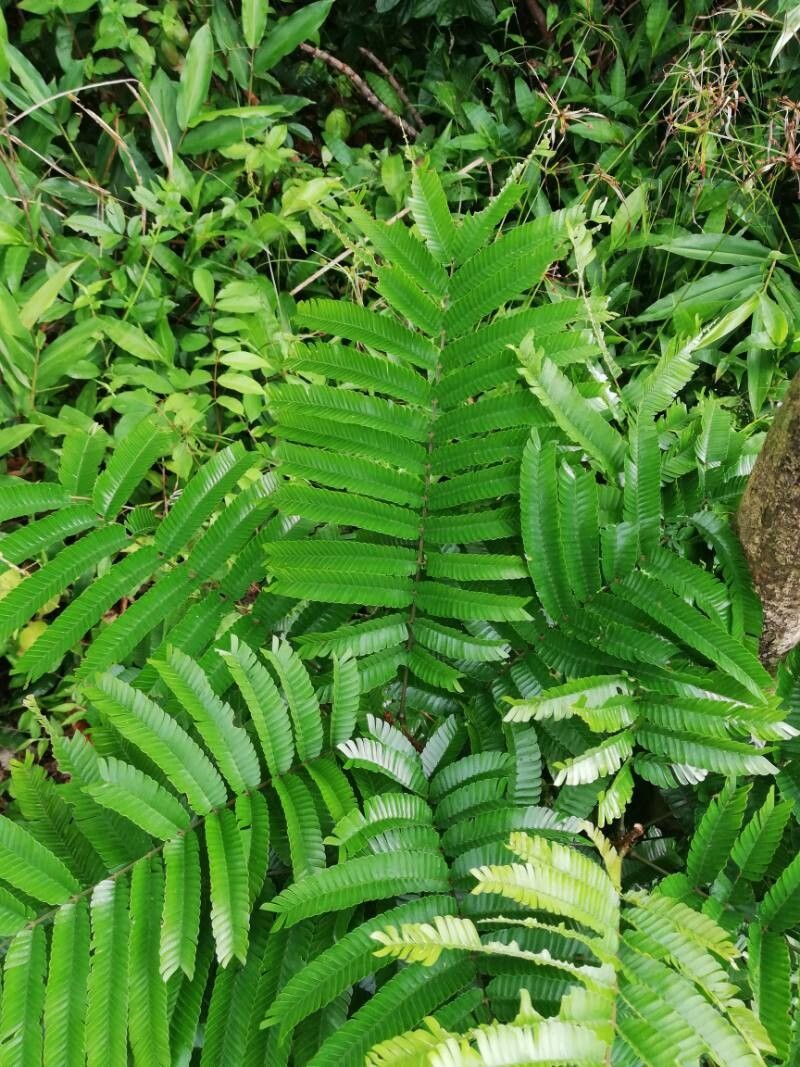
(c) Carel Jongkind, some rights reserved (CC BY-NC), uploaded by Carel Jongkind
Description
A medium to large tree. It can grow 40 m high. The trunk can be straight or crooked. It is 1.2 m across.
This description is brief — help expand it
Edible Uses
The leaves are used for flavouring.
Medicinal Uses
The leaves are astringent and possibly abortifacient. A gum obtained from the plant is used to treat ear problems. The leaves contain a range of medicinally active compounds including alkaloids, glycosides, saponins, steroids and tannins. The leaves contain falvones. (This is probably a mis-spelling for flavones)
Known Hazards
The seed is said to be toxic and is used as a rodenticide and bird poison.
Distribution
It is a tropical plant. It grows in valley bottoms.
Where It Grows
Africa, Liberia, Sierra Leone, West Africa,
Cultivation
Although many species within the family Fabaceae have a symbiotic relationship with soil bacteria, this species is said to be devoid of such a relationship and therefore does not fix atmospheric nitrogen.
Other Uses
A gum is obtained from the trunk. The heartwood is pinkish-brown with purple or dark brown veins and frequent resin canals; it is clearly demarcated from the 10 - 15cm wide band of sapwood. The texture is medium; the grain straight or interlocked. The wood is moderately heavy, moderately hard, moderately durable, being moderately resistant to fungi and termites and resistant to dry wood borers. It seasons somewhat slowly with only a slight risk of distortion or checking; once dry it is poorly to moderately stable in service. It works well with normal tools; nailing and screwing are good, but pre-boring is required; gluing is correct. The wood has many applications, including for interior and exterior panelling and joinery, cabinet making, furniture, light carpentry, turnery, flooring and veneer. Berlinia wood is, in general, similar to white oak (Quercus alba) in durability, density and usefulness. It is an attractive, decorative hardwood that can be used for fine, interior joinery. Sometimes grown as a shade tree in coffee plantations.
Notes
Also as Caesalpinaceae.
Synonyms
Also Known As
Ebiara, Gbung-gong, Sakpa
References (2)
- Burkill, H. M., 1985, The useful plants of west tropical Africa, Vol. 3. Kew.
- World Checklist of Useful Plant Species 2020. Royal Botanic Gardens, Kew