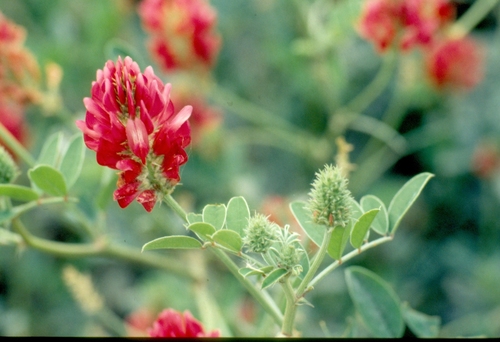
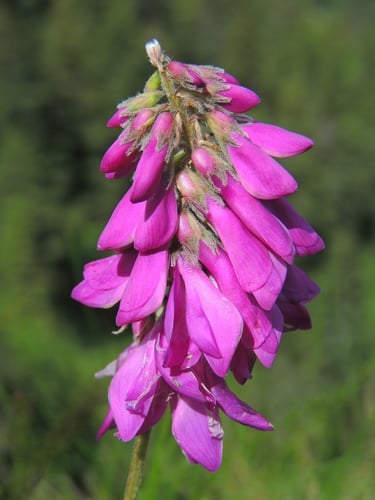
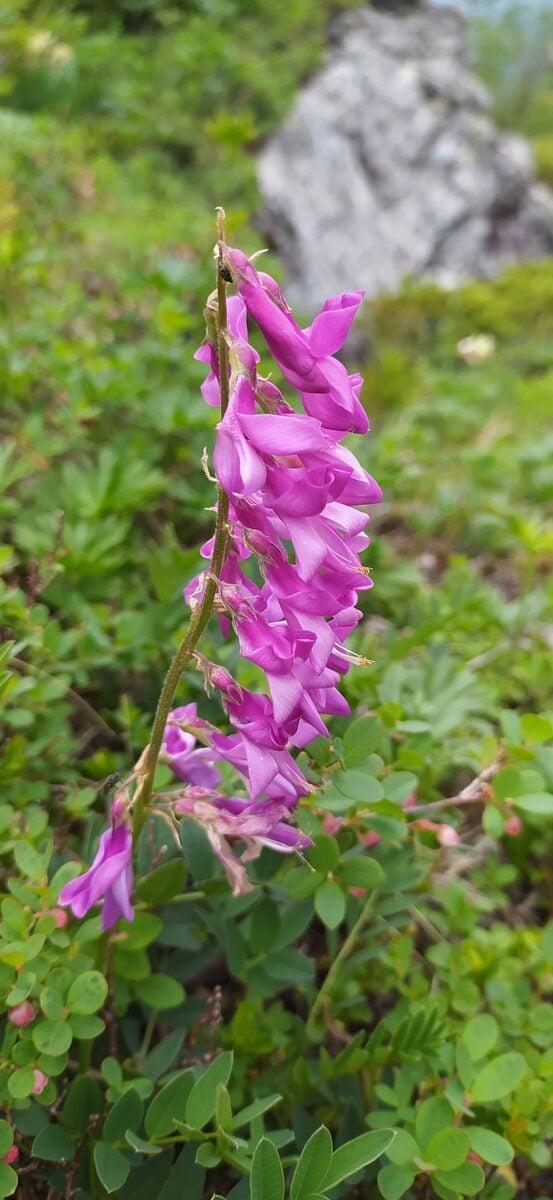
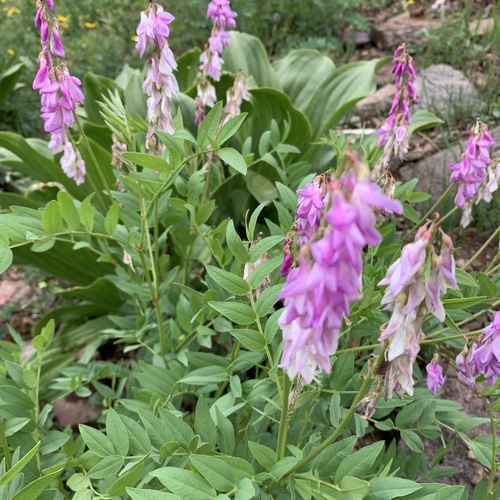
Sophora nuttalliana
B. L. Turner
Silky sophora
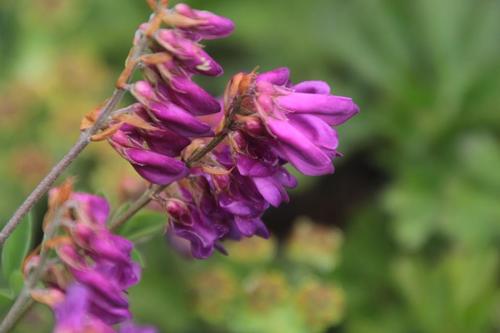
iNaturalist· cc-by-nc
(c) Scott F Smith, some rights reserved (CC BY-NC), uploaded by Scott F Smith
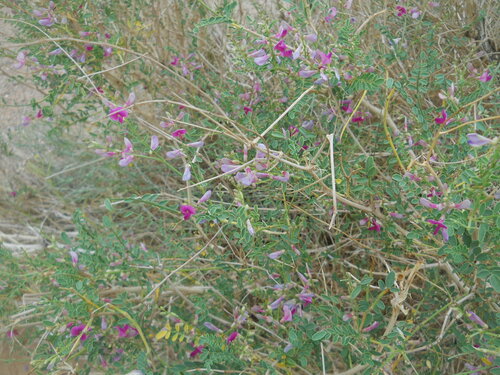
iNaturalist· cc0
no rights reserved
iNaturalist· cc-by-nc-nd
(c) Patrick Alexander, some rights reserved (CC BY-NC-ND)
Description
A herb that keeps growing from year to year. It grows 30 cm tall. The flowers are white.
This description is brief — help expand it
Edible Uses
The sweet roots are chewed.
Traditional Uses
The sweet roots are chewed. Caution: The seeds are toxic.
This uses section is brief — help expand it
Known Hazards
The seeds are toxic.
Distribution
It is a temperate plant. It is very cold tolerant but thrives best with hot weather. It grows between 1,000-1,700 m above sea level in the southern USA.
Where It Grows
Central America, Mexico, North America, USA,
Cultivation
Plants can be grown from seed. Seed can be pre-soaked in warm water for 12 hours and should be transplanted when young. It can be grown by cuttings or air-layering.
Synonyms
Also Known As
Sofora
References (4)
- Beckstrom-Sternberg, Stephen M., and James A. Duke. "The Foodplant Database." http://probe.nalusda.gov:8300/cgi-bin/browse/foodplantdb.(ACEDB version 4.0 - data version July 1994) (As Sophora sericea)
- Kermath, B. M., et al, 2014, Food Plants in the Americas: A survey of the domesticated, cultivated and wild plants used for Human food in North, Central and South America and the Caribbean. On line draft. p 829
- Moerman, D. F., 2010, Native American Ethnobotany. Timber Press. p 538
- Plants for a Future database, The Field, Penpol, Lostwithiel, Cornwall, PL22 0NG, UK. http://www.scs.leeds.ac.uk/pfaf/ (As Sophora sericea)