Sophora secundiflora
(Ortega) Lag. ex DC.
Mescal Bean Tree, Texas mountain laurel
iNaturalist· cc-by
(c) Karla M. Benítez, some rights reserved (CC BY)
iNaturalist· cc-by
(c) Karla M. Benítez, some rights reserved (CC BY)
iNaturalist· cc-by
(c) Karla M. Benítez, some rights reserved (CC BY)
Summary
Evergreen tree reaching 10 m tall with slow growth. Hardy to UK zone 8. Flowers April to May with seeds ripening in October. Hermaphroditic and insect-pollinated. Nitrogen-fixing. Tolerates light sandy, medium loamy, and heavy clay soils with good drainage. Adapts to mildly acid, neutral, and mildly alkaline pH. Requires full sun and handles both dry and moist conditions.
Description
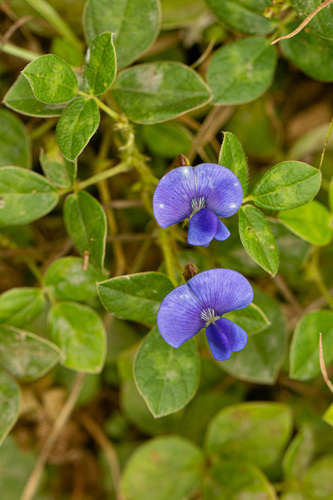
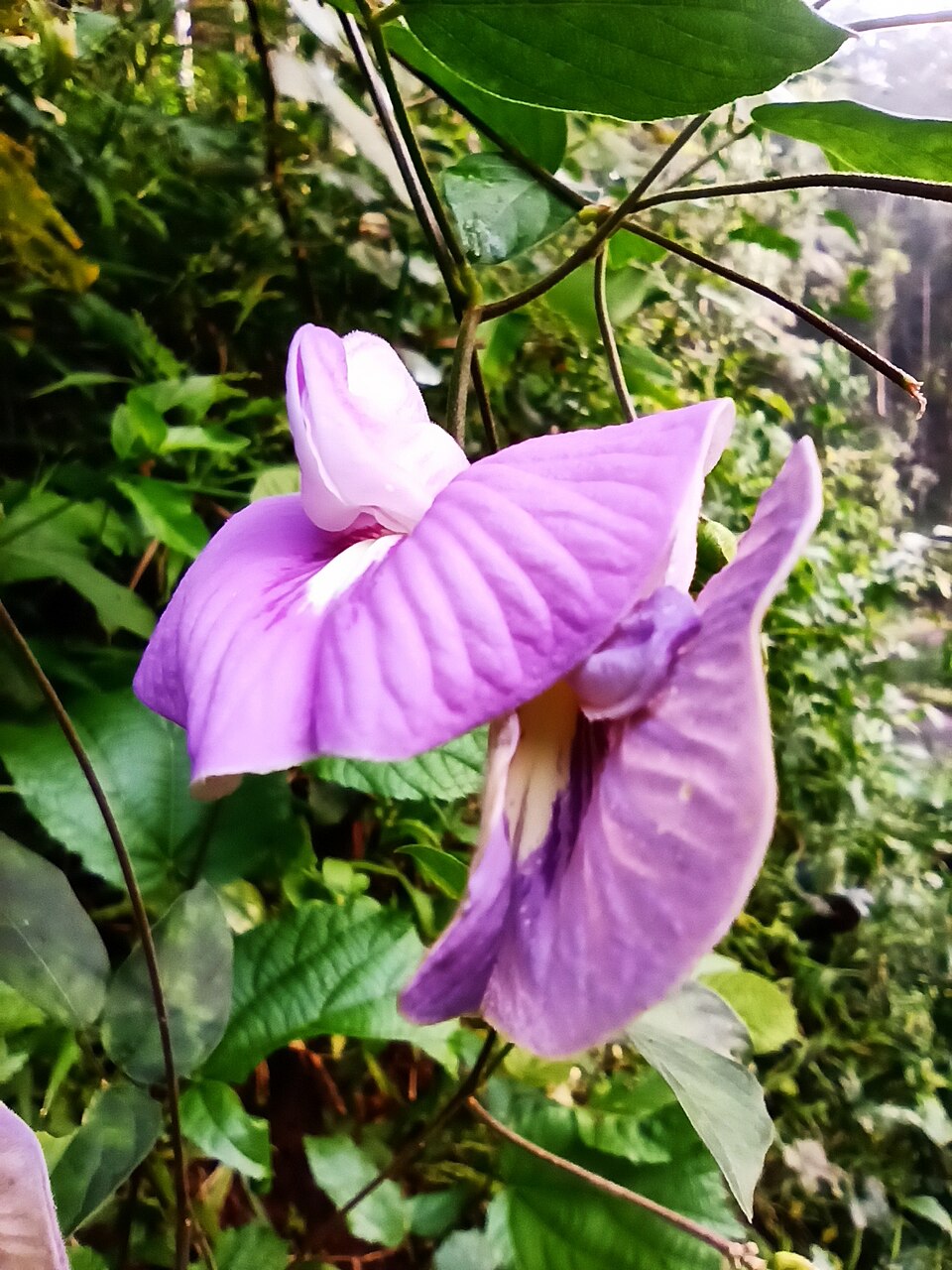
An evergreen tree. It grows 9 m high and spreads 4.5 m wide. The leaves are shiny, leathery and compound. The leaves have 3-5 pairs of leaflets. The leaflets are rounded at the end. The flowers are violet-blue. They occur in clusters. They have a strong scent. The fruit are silver grey seed pods.
Edible Uses
None known
Traditional Uses
CAUTION: The seeds and flowers are very poisonous. The seeds have been used to make an intoxicant.
This uses section is brief — help expand it
Medicinal Uses
The seeds are hallucinogenic and narcotic. An infusion of the seeds is used, with as little as half a seed being enough to produce intoxication. A ground-seed infusion has also been applied to the ears to treat earaches. The seeds contain the highly poisonous alkaloid cytisine, a substance related to nicotine that acts violently in the human system.
Distribution
It is a temperate to subtropical tree. It suits hardiness zones 8-11.
Where It Grows
Asia, Australia, Chile, China, East Africa, Himalayas, India, Madagascar, Mexico*, Nepal, North America, Pakistan, Slovenia, Taiwan, USA,
Propagation
Seed is best sown as soon as it is ripe in a greenhouse. Stored seed should be pre-soaked for 12 hours in hot (not boiling) water, then sown in late winter in a greenhouse. Prick out seedlings into individual pots as soon as they are large enough to handle, and grow them on under protected conditions for 2 years before planting out into permanent positions in early summer of the third year. Cuttings of young shoots with a heel can be taken in July or August in a frame. Air-layering is also an option.
Other Uses
A yellow dye is obtained from the wood. The wood is very heavy, hard, and close-grained, though of no commercial importance.
Production
It is very slow growing.
Notes
There are about 50 Sophora species.
Synonyms
Also Known As
Frijolillo, Frijolito
References (10)
- Ambasta, S.P. (Ed.), 2000, The Useful Plants of India. CSIR India. p 585
- Beckstrom-Sternberg, Stephen M., and James A. Duke. "The Foodplant Database." http://probe.nalusda.gov:8300/cgi-bin/browse/foodplantdb.(ACEDB version 4.0 - data version July 1994)
- Bremness, L., 1994, Herbs. Collins Eyewitness Handbooks. Harper Collins. p 84
- Cat. pl. horti monsp. 148. 1813
- Cundall, P., (ed.), 2004, Gardening Australia: flora: the gardener's bible. ABC Books. p 1352
Show all 10 references Hide references
- Flora of Pakistan. www.eFloras.org
- Hedrick, U.P., 1919, (Ed.), Sturtevant's edible plants of the world. p 627
- http://www.botanic-gardens-ljubljana.com/en/plants
- Little, E.L., 1980, National Audubon Society Field Guide to North American Trees. Alfred A. Knopf. p 530
- Loughmiller, C & L., 1985, Texas Wildflowers. A Field Guide. University of Texas, Austin. p 138