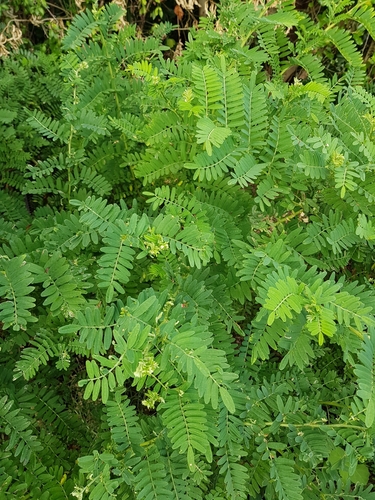
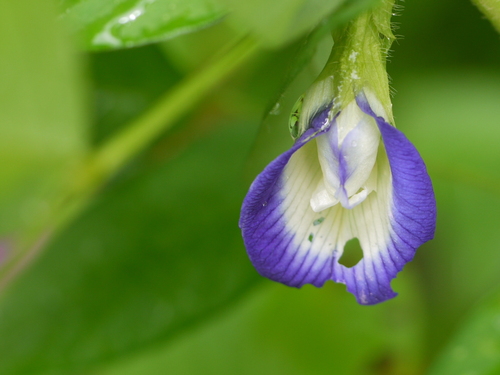
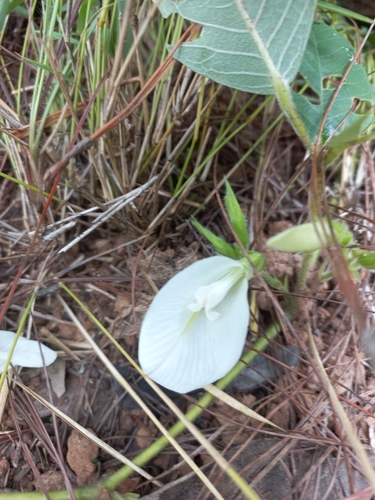
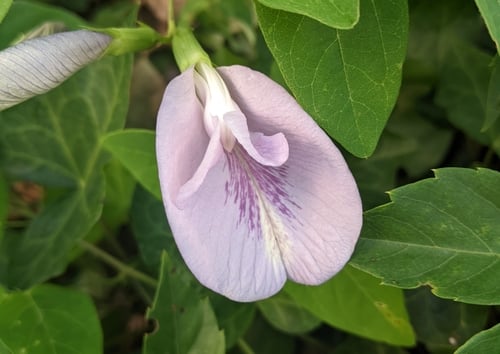
Sophora tomentosa
L.
iNaturalist· cc0
no rights reserved, uploaded by 葉子
iNaturalist· cc-by-nc
(c) Armando Feliciano, some rights reserved (CC BY-NC)
iNaturalist· cc-by-nc
(c) Armando Feliciano, some rights reserved (CC BY-NC)
Summary
Source: WikipediaSophora tomentosa, commonly known as necklacepod, yellow necklacepod, and occasionally referred to as silver bush, is a pantropical shrub or small tree in the Fabaceae family. It typically grows 4 to 10 feet tall and is often found in coastal conditions and near wetlands. The name Necklacepod is derived from the characteristic string of seed pods that develop after its yellow flowers germinate into seeds. Necklacepod is a nectar plant for bees, butterflies, and in parts of the Americas hummingbirds as well. It is suggested for use by native plant enthusiasts in Florida as a good landscape plant for xeriscaping but it only naturally occurs in coastal counties in the central and southern part of the state, while closely related varieties occur in Texas, and the Caribbean. The variety of Necklacepod growing in Australia is considered an endangered species in some areas due to the clearing of coastal habitat and displacement by invasive species. In Sri Lanka, the plant is known as moodu murunga. The inedible pod has some similarities to the murunga (drumstick) pod. It has been used to make fish poisons, insect and spider repellents, especially in Africa.
Description
A shrub or small tree. It grows 1-3 m tall.
This description is brief — help expand it
Medicinal Uses
Although the plant is strongly emetocathartic, and toxic in large doses, it is often used in traditional medicine. The leaves, roots and seeds are relatively rich in alkaloids, particularly the quinolizidine group of alkaloids (sometimes also called lupin alkaloids), which are biosynthesized from the amino acid lysine. The dried seed contains up to 2% (-)-cytisine (also known as sophorine or ulexine), which resembles the alkaloid nicotine in its action as a neurotransmitter, but is much less toxic as a poison. The bitter seeds are astringent, febrifuge and stomachic; they also possess dangerous emetocathartic properties. The pulverized seeds are used as a specific in the treatment of dysentery and cholera, and as an antidote after having eaten poisonous marine animals. Two of them are almost too drastic for a dose in tertian fever. They are a common remedy for disorders of the stomach and were at one time a popular remedy for cholera morbus. The pounded seeds are used to cure colic and dysentery. Smaller doses are applied as an antidote in food poisoning and stings of poisonous fish, as well as to treat haemoptysis, painful urination and gonorrhoea. The seed oil is reputed to be a good expectorant; it is applied externally to soothe painful bones. A decoction of the seeds and roots is given in bilious disorders. A decoction of the seeds, roots or bark has been used against cholera. The root-bark is applied as an antidote in food poisoning and stings of poisonous fish.
Known Hazards
All parts of the plant, but especially the bark of the root and the seeds, are bitter and yield a poisonous alkaloid called sophorine, which is chemically identical to cytisine.
Distribution
It is a tropical plant.
Where It Grows
Asia, Brazil, Central America, China, Costa Rica, Nicaragua,
Cultivation
Prefers a sunny position, but can tolerate some shade. Succeeds in a dry to moist soil, so long as it is well-drained. Prefers a sandy soil. Tolerant of somewhat saline soils and also of a wide pH range. Established plants are drought tolerant. Plants can flower and produce fruit whilst still small shrubs. This species has a symbiotic relationship with certain soil bacteria; these bacteria form nodules on the roots and fix atmospheric nitrogen. Some of this nitrogen is utilized by the growing plant but some can also be used by other plants growing nearby.
Propagation
Seed - Fruits mature in about 3 - 4 months from flowering, and are dispersed by sea currents. Seeds are able to float for at least 3 months and in this period the germination capacity is not affected. However, germination significantly dropped following immersion in sea water. In a germination experiment in Malaysia, seeds of Sophora tomentosa germinated in 0.5-11 months.
Other Uses
The dried seed contains up to 2% (-)-cytisine, which has insecticidal properties. The wood is hard and heavy and used for small objects. The plant is more or less a pioneer species.
References (1)
- World Checklist of Useful Plant Species 2020. Royal Botanic Gardens, Kew