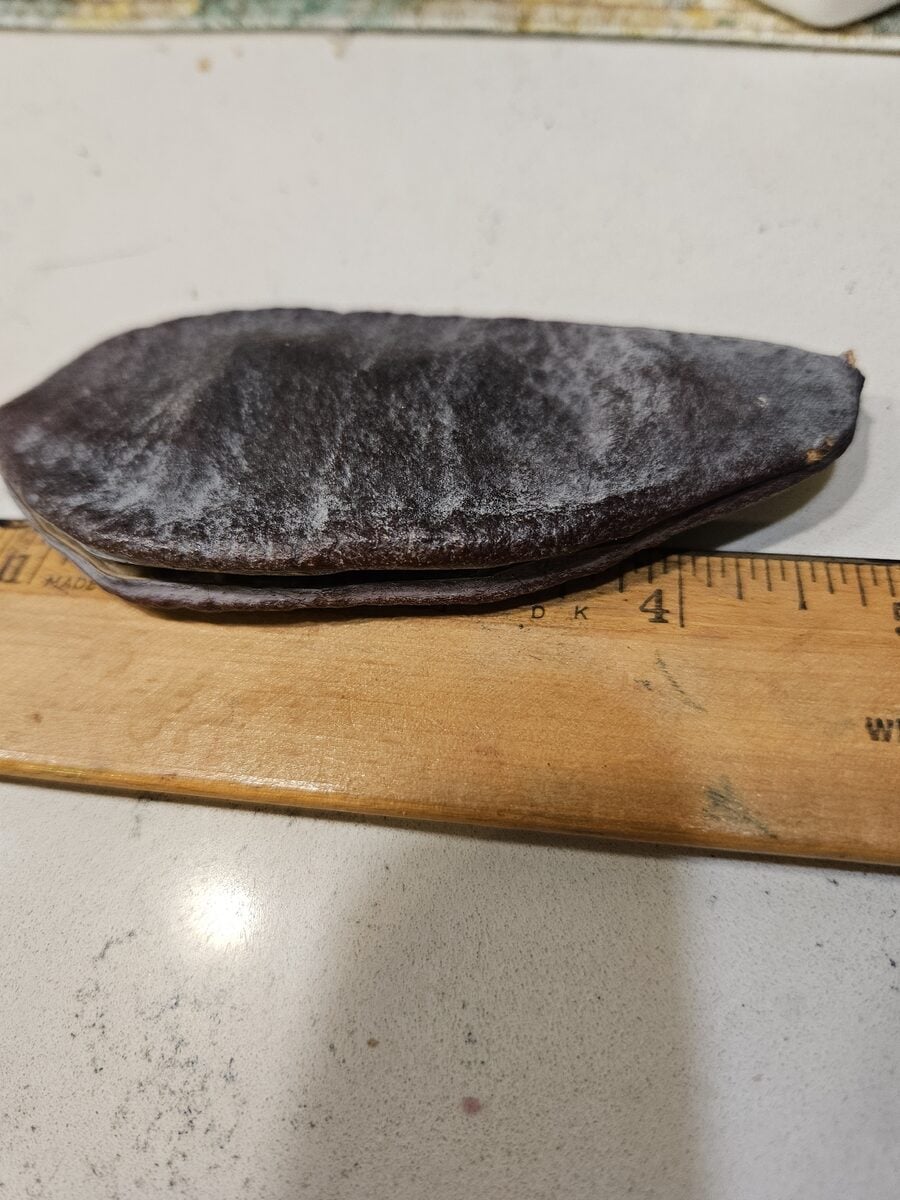
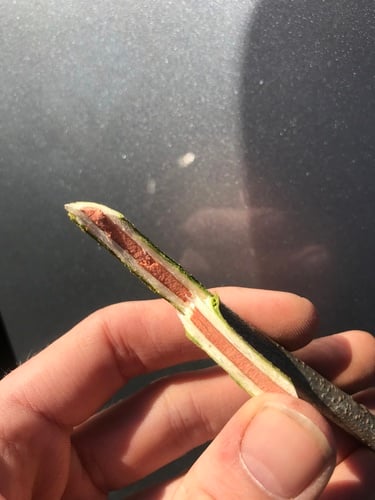
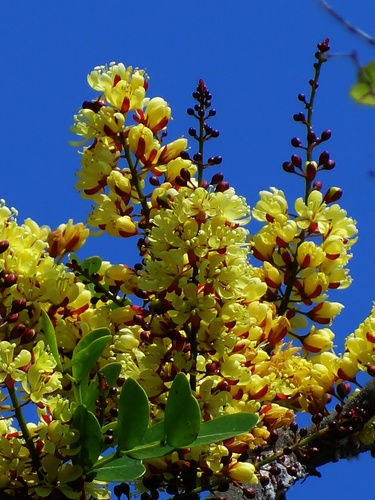
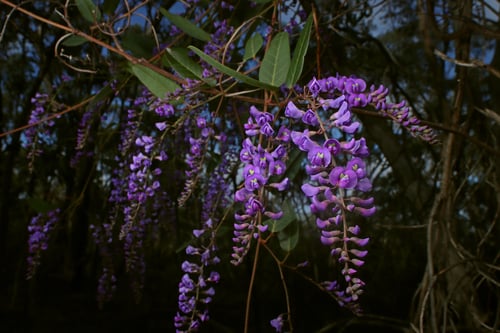
Sophora sericea
Nutt.
Silky Sophora
gbif· cc-by-nc-sa
MBG
gbif· cc-by-nc-sa
MBG
gbif· cc-by-nc-sa
MBG
Description
Sophora sericea is a PERENNIAL growing to 0.3 m (1ft). The species is hermaphrodite (has both male and female organs) and is pollinated by Insects. It can fix Nitrogen. Suitable for: light (sandy), medium (loamy) and heavy (clay) soils and prefers well-drained soil. Suitable pH: mildly acid, neutral and basic (mildly alkaline) soils. It cannot grow in the shade. It prefers dry or moist soil.
Edible Uses
Root - raw. A sweet flavour, it is chewed as a delicacy.
Known Hazards
The plant contains cytisine, which resembles nicotine and is similarly toxic. The seed is poisonous.
Distribution
South-western N. America - South Dakota, Nebraska and Wyoming, south to Texas, Arizona and Mexico.
Where It Grows
AFRICA: South Africa (Eastern Cape, Western Cape)
Cultivation
We have very little information on this species and do not know if it will succeed in Britain, though judging by its native range it might succeed outdoors in the milder parts of the country. The following notes are based on the general needs of the genus. Succeeds in a well-drained moderately fertile soil in full sun. It grows best in the warmer areas of the country where the wood will be more readily ripened and better able to withstand winter cold. Plants should be container-grown and planted out whilst young, older plants do not transplant well. This species has a symbiotic relationship with certain soil bacteria, these bacteria form nodules on the roots and fix atmospheric nitrogen. Some of this nitrogen is utilized by the growing plant but some can also be used by other plants growing nearby.
Propagation
Seed - best sown as soon as it is ripe in a greenhouse. Pre-soak stored seed for 12 hours in hot (not boiling) water and sow in late winter in a greenhouse. Prick out the seedlings as soon as they are large enough to handle into individual pots in the greenhouse, and grow them on for 2 years under protected conditions. Plant them out into their permanent positions in early summer of their third year. Cuttings of young shoots with a heel, July/August in a frame. Air-layering.