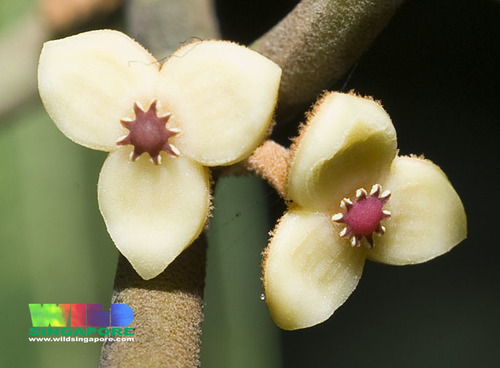
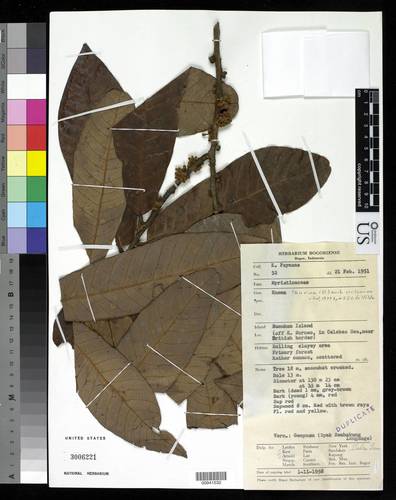
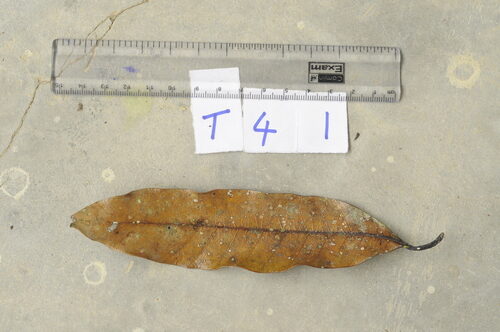
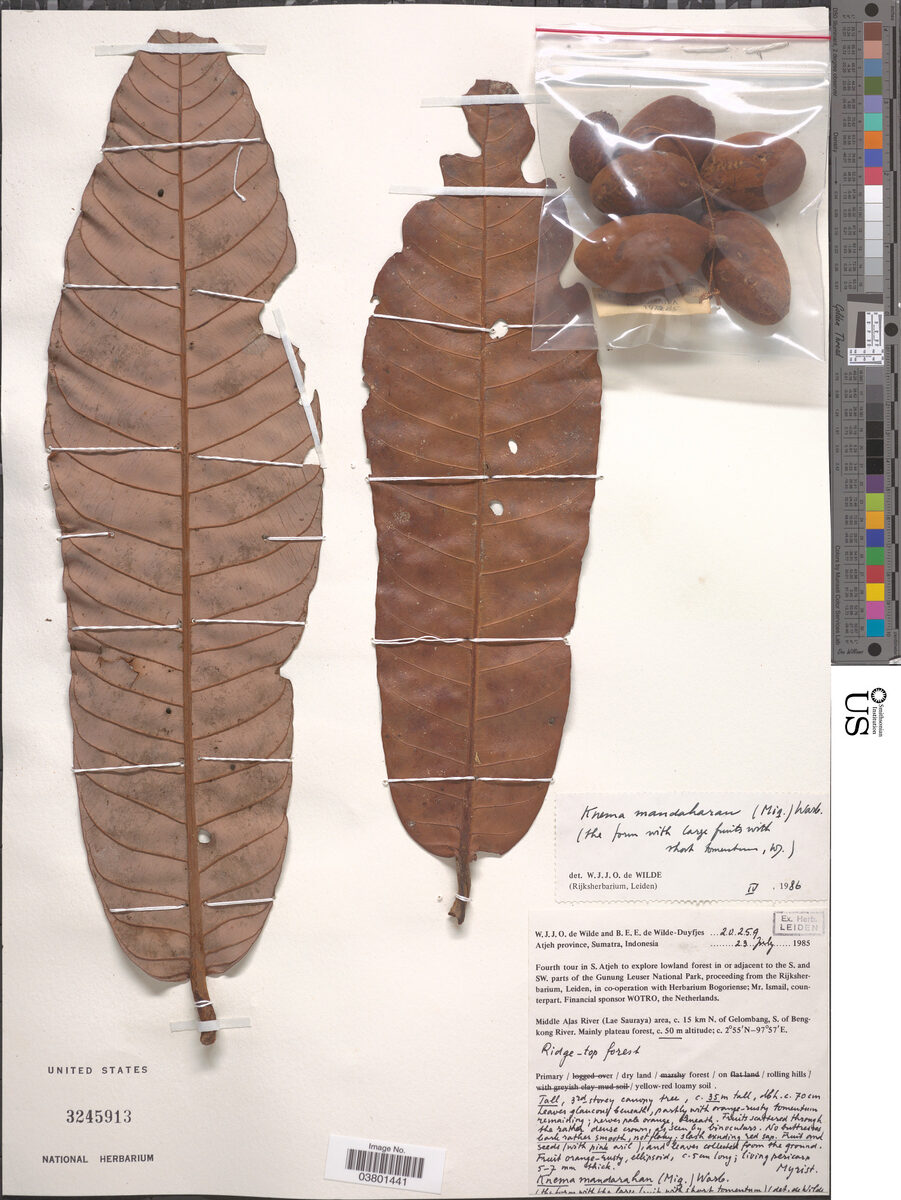
Staudtia kamerunensis
Warb.
iNaturalist· cc-by-nc
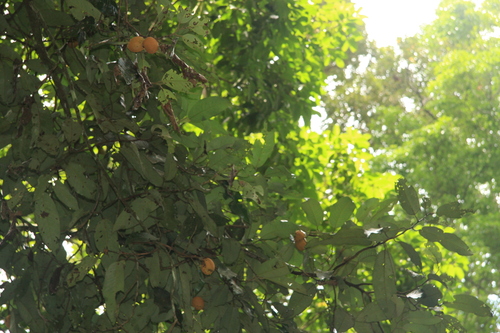
(c) Bart Wursten, some rights reserved (CC BY-NC), uploaded by Bart Wursten
iNaturalist· cc-by-nc
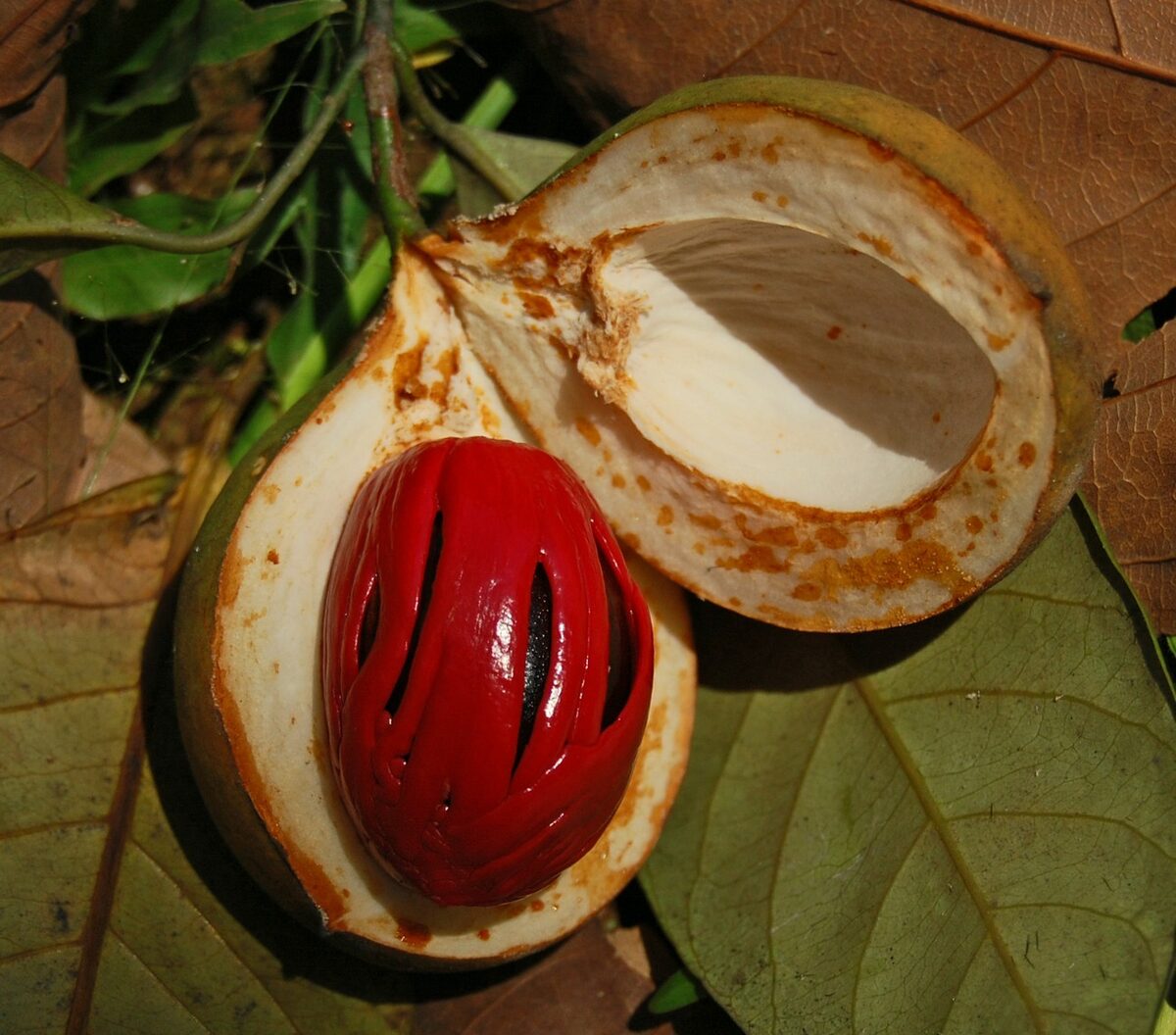
(c) clementine_db, some rights reserved (CC BY-NC), uploaded by clementine_db
Description
A large tree. It grows 35 m high. The trunk can be 2.5 m around. There are 2 botanical varieties and one has larger fruit. The fruit split into 2 halves and there is a red layer around the seed and it is divided like in nutmeg.
Edible Uses
The fruit aril and bark are edible.
Medicinal Uses
The seeds are used to treat skin diseases.
Distribution
It is a tropical plant. It grows in the lowland rain-forest.
Where It Grows
Africa, Cameroon, Central Africa, Central African Republic, CAR, Congo DR, Congo R, Gabon, Nigeria, West Africa,
Cultivation
A plant of lowland areas in the moist tropics.
Other Uses
The heartwood is orangey yellow brown to red brown with darker veins and sometimes an oily surface; it is clearly demarcated from the 8 - 10cm wide band of sapwood. The texture is fine; the grain straight, sometimes wavy. The wood is heavy; moderately hard to very hard; very durable, being very resistant to fungi, dry wood borers and termites. It seasons slowly, with a high risk of checking but only a slight risk of distortion; once dry it is stable in service. It has a fairly high blunting effect and so stellite-tipped and tungsten carbide tools are recommended; nailing and screwing are good if the holes are pre-bored; gluing is correct. A good quality, heavy duty and very durable wood, it is used for a range of purposes including turnery, cabinet making, high class furniture, heavy construction, joinery, panelling, industrial flooring, ship building, railway sleepers, walking sticks etc.
Synonyms
Also Known As
Awula, Ichala, Umaza
References (2)
- Burkill, H. M., 1985, The useful plants of west tropical Africa, Vol. 4. Kew.
- World Checklist of Useful Plant Species 2020. Royal Botanic Gardens, Kew