Lepistemon owariense
(P. Beauv.) Hallier f.
wikimedia· cc0
Wikimedia Commons - Ambroise Marie François Joseph Palisot de Beauvois
Description
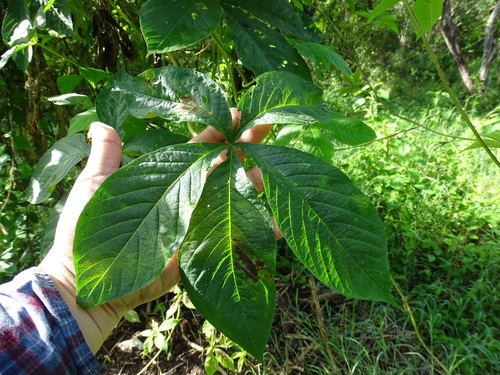
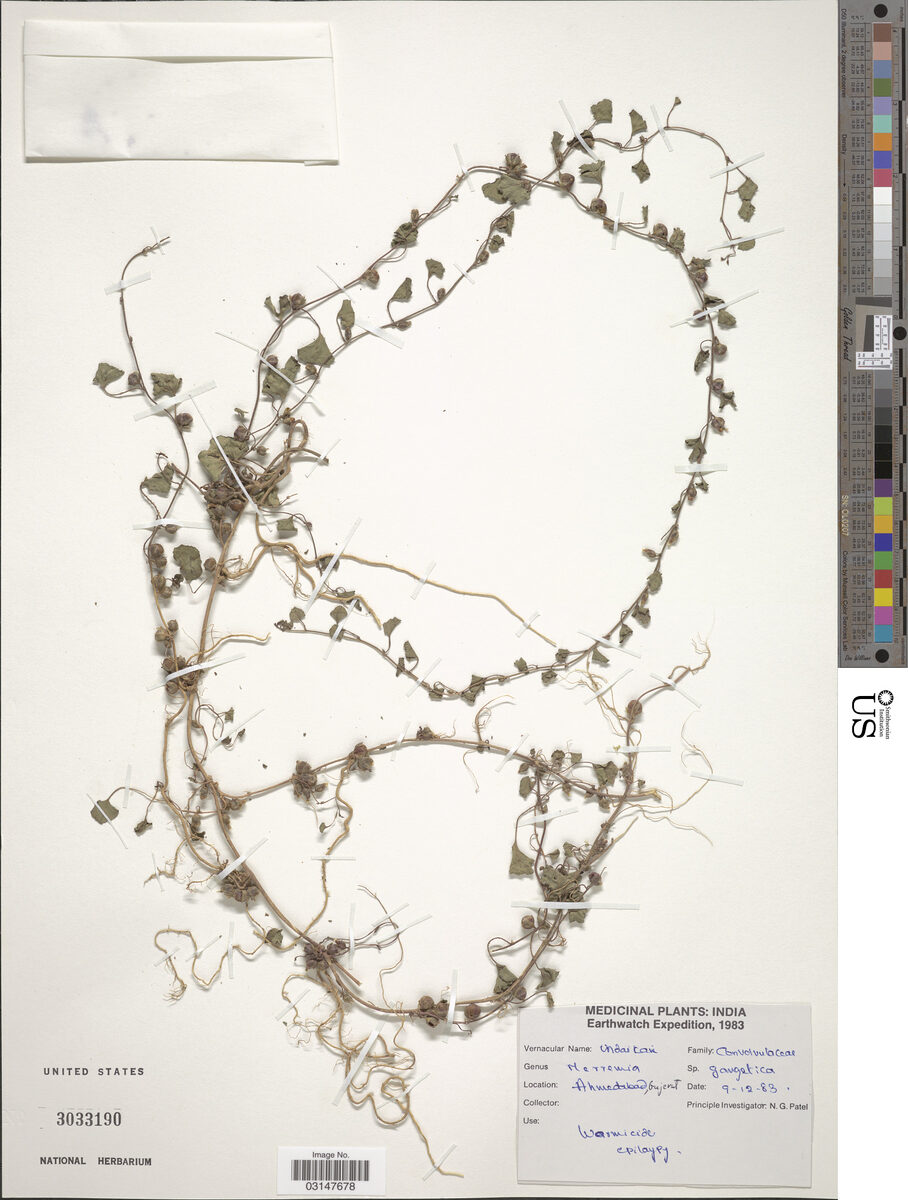
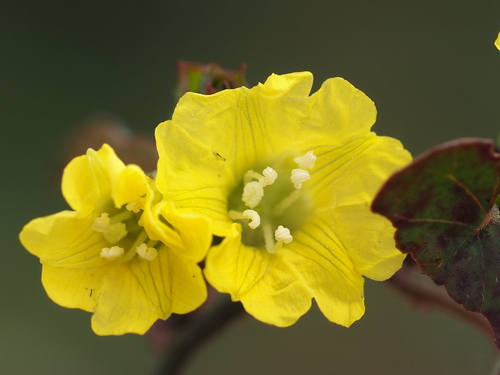
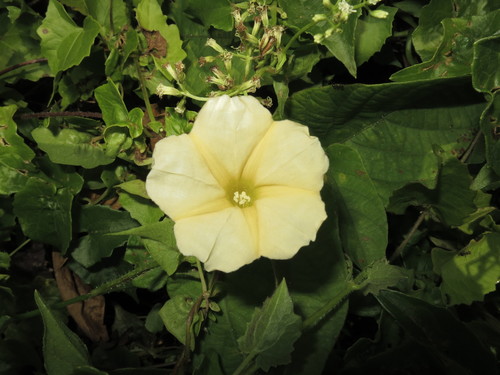
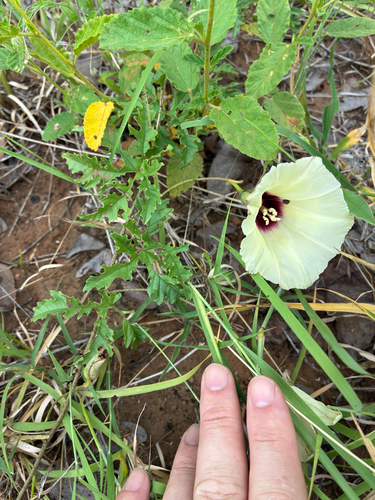
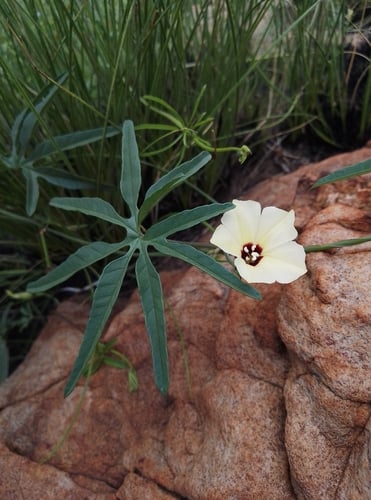
A robust twining herb. It grows 3 m high. It keeps growing from year to year. The stems are covered with long yellow brown bristly hairs. The leaves are alternate and simple. They are heart shaped and up to 15 cm long. There can be small lobes or large teeth. There are many flowers in a group. The flower tube is white. The fruit is an oval capsule.
Edible Uses
The leaves are boiled and eaten as a vegetable, and it is recognized as a minor vegetable of local importance.
Traditional Uses
The leaves are boiled and eaten as a vegetable.
This uses section is brief — help expand it
Known Hazards
The plant can have pungent, stinging hairs.
Distribution
It is a tropical plant. It grows in rain-forest and scrub in West Africa. In Malawi it grows in forest along rivers. It grows between 1,100-1,370 m altitude.
Where It Grows
Africa, Angola, Benin, Burkina Faso, Cameroon, Central Africa, East Africa, Ghana, Guinea, Guinée, Guinea-Bissau, Malawi, Mozambique, Nigeria, Sierra Leone, Southern Africa, Sudan, Tanzania, West Africa, Zambia, Zimbabwe,
Cultivation
The plant is recorded to be a weed in cultivated fields within its native range.
Other Information
A minor vegetable of local importance.
Notes
There are 10 Lepistemon species.
Synonyms
Also Known As
Katabe-tabe, Mpululwa
References (7)
- Burkill, H. M., 1985, The useful plants of west tropical Africa, Vol. 1. Kew.
- Dansi, A., et al, 2009, Traditional leafy vegetables in Benin: folk nomenclature, species under threat and domestication. Acta Bot. Gallica 156(2), 183-199
- Flora Zambesiaca. http://apps.kew.org/efloras
- Fowler, D. G., 2007, Zambian Plants: Their Vernacular Names and Uses. Kew. p 21
- Grubben, G. J. H. and Denton, O. A. (eds), 2004, Plant Resources of Tropical Africa 2. Vegetables. PROTA, Wageningen, Netherlands. p 367
Show all 7 references Hide references
- White, F., Dowsett-Lemaire, F. and Chapman, J. D., 2001, Evergreen Forest Flora of Malawi. Kew. p 213
- World Checklist of Useful Plant Species 2020. Royal Botanic Gardens, Kew (As owariensis)