Merremia aegyptia
(Linn.) Urban
Hairy merremia, Hairy woodrose
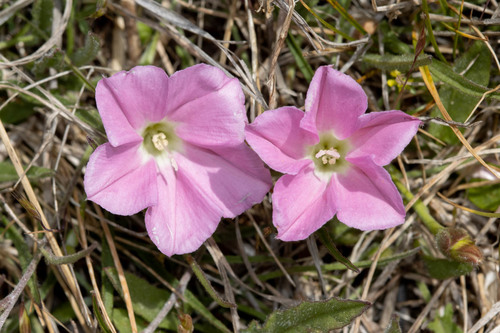
iNaturalist· cc-by
(c) Alexis López Hernández, some rights reserved (CC BY)
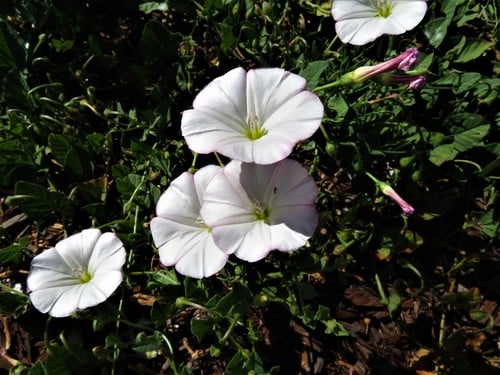
iNaturalist· cc-by
(c) Alexis López Hernández, some rights reserved (CC BY)
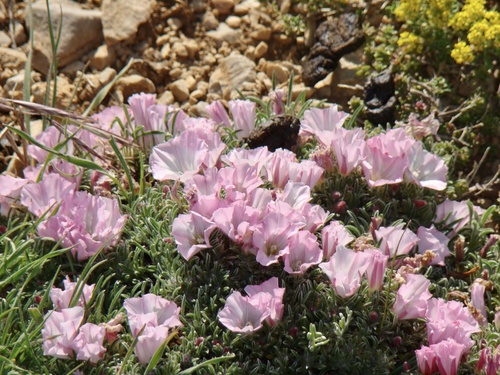
iNaturalist· cc-by
(c) Alexis López Hernández, some rights reserved (CC BY)
Description
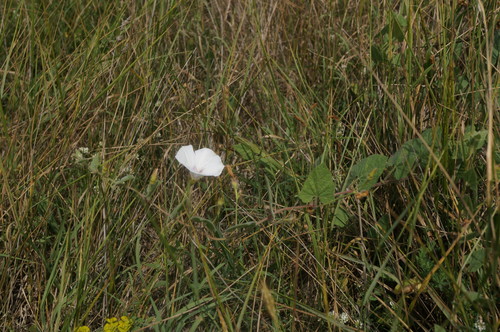
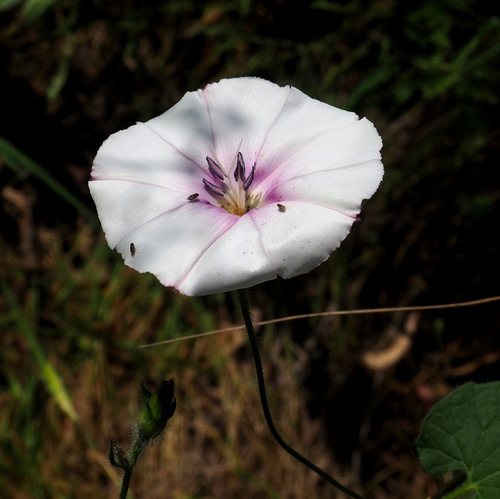
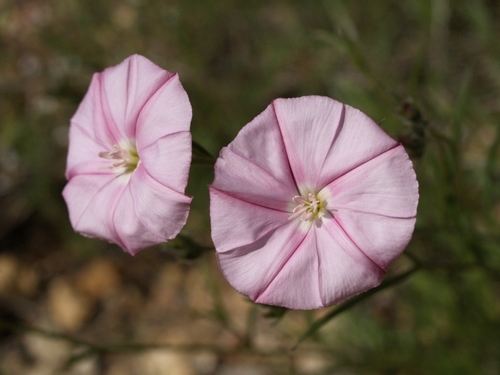
A scrambling herb. It can be a climber. It keeps growing from year to year. The leaves have five leaflets. These are 3-9 cm long by 2-5 cm wide. The flowers are white. The mature fruit is very hairy. It is a capsule with 4 sections and is 11 mm across.
Edible Uses
The seeds are dried, roasted, and ground to make a coffee-like beverage.
Traditional Uses
The seeds are dried and then roasted and ground to make a coffee like drink.
This uses section is brief — help expand it
Medicinal Uses
In the Indigenous system of Medicine, Ipomoea reniformis chois is also known as Merremia emarginata (Burm.f.) Hallier f. has been claimed to be useful for cough, headache, neuralgia, rheumatism, diuretic, inflammation, fever due to enlargement of liver and also in kidney diseases. The tribal people use this plant for deobstruent, diuretic, rheumatism, neuralgia, cancerous wounds, migraine, purgative, snake bites, ulcer, abscesses and glandular swelling.
Known Hazards
Considered a serious weed in Australia.
Distribution
It is a tropical plant. It grows in disturbed areas and water drains. In Argentina it grows from sea level to 1,000 m above sea level.
Where It Grows
Africa, Argentina, Asia, Australia, Benin, Brazil, Burkina Faso, Dominican Republic, East Africa, Guiana, Guianas, Guinea-Bissau, Guyana, Haiti, Hawaii, India, Mozambique, Myanmar, Nigeria, North America, Pacific, Paraguay, Puerto Rico, Sao Tome and Principe, SE Asia, Senegal, Sierra Leone, South America*, Suriname, USA, Venezuela, West Africa, West Indies, Zambia, Zimbabwe,
Cultivation
The plant is sometimes grown as an ornamental. It has shattering capsules that disperse the seeds around the parent plant; it often escapes from cultivation and is found naturalized as a weed.
Other Uses
The stems are used for binding, for instance for frames in house building.
Notes
There are about 70 Merremia species. It is considered a serious weed in Australia.
Synonyms
Also Known As
Ghiabel
References (6)
- Ambasta, S.P. (Ed.), 2000, The Useful Plants of India. CSIR India. p 367
- Codjia, J. T. C., et al, 2003, Diversity and local valorisation of vegetal edible products in Benin. Cahiers Agricultures 12:1-12 (As Ipomoea)
- Paczkowska, G. & Chapman, A.R., 2000, The Western Australian Flora. A Descriptive Catalogue. Western Australian Herbarium. p 218
- Plants of Haiti Smithsonian Institute http://botany.si.edu/antilles/West Indies
- Symb. antill. 4:505. 1910
Show all 6 references Hide references
- www.colecionandofrutas.org