Garcinia punctata
Oliv.
iNaturalist· cc-by-nc
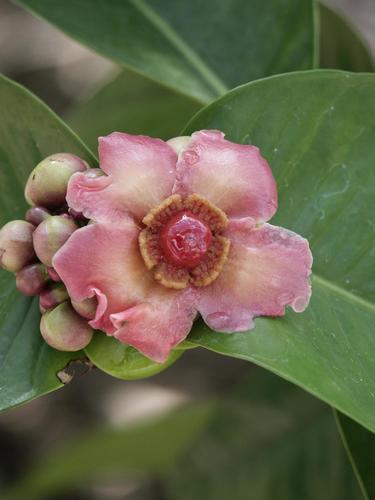
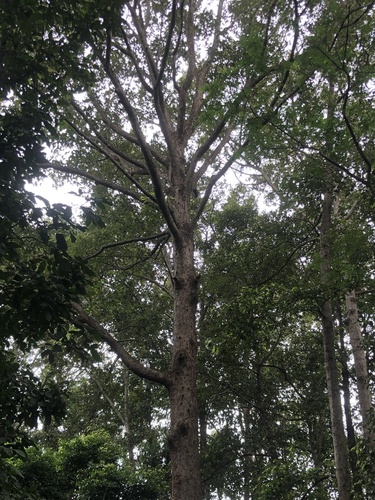
(c) Rahaingoson Fabien, some rights reserved (CC BY-NC)
iNaturalist· cc-by-nc
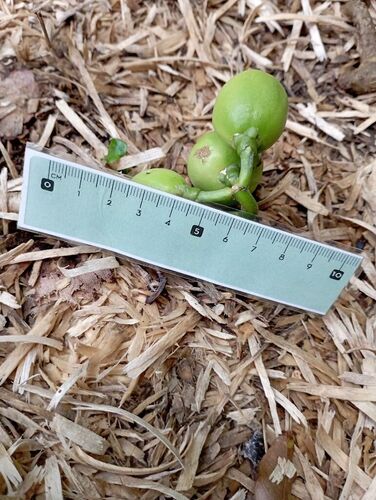
(c) Rahaingoson Fabien, some rights reserved (CC BY-NC)
iNaturalist· cc-by-nc
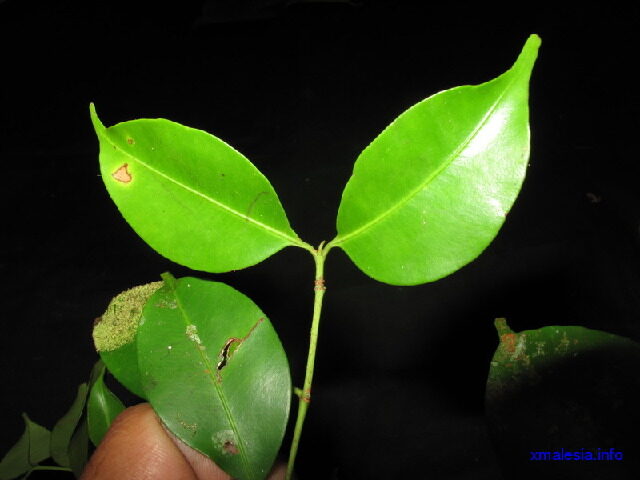
(c) David Rabehevitra, some rights reserved (CC BY-NC)
Description
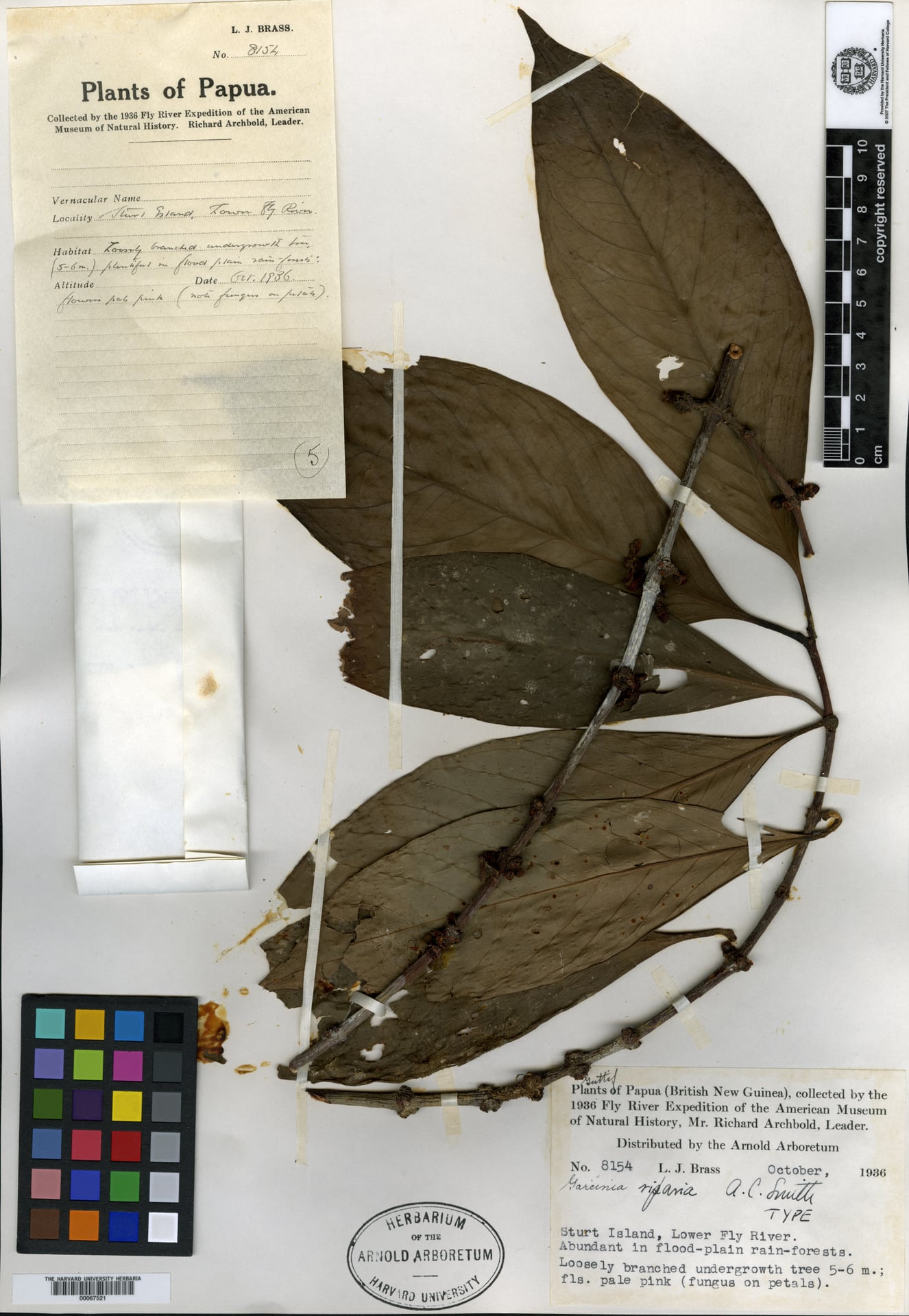
A tropical tree in the Clusiaceae family that grows 8-12 m high with a trunk approximately 30 cm in diameter. It inhabits dense forests, often in wet areas where it develops stilt roots.
Edible Uses
The fruit are eaten raw. The seeds are also consumed as nuts.
Traditional Uses
The fruit are eaten raw.
This uses section is brief — help expand it
Medicinal Uses
The powdered bark is applied to snake-bites. Sap from the bark, or a decoction of the bark, is taken by draught for the treatment of costal pain and cough; the painful areas are scarified and embrocated with the leaf-sap of this species to which has been added gunpowder and charcoal made from the wood of Schwenckia americana L., and Dichrostachys glomerata (Forssk.) Chiov..
Distribution
It is a tropical plant. It grows in dense forest. It is often in wet situations and then have stilt roots.
Where It Grows
Africa, Angola, Cameroon, Central Africa, Central African Republic, CAR, Congo DR, East Africa, Malawi, Nigeria, West Africa, Zambia,
Cultivation
A dioecious species, both male and female forms usually need to be grown if fruit and seed are required. At least some dioecious Garcinia species, however, are able to produce fertile seed even in the absence of fertilization (asexual reproduction). Such seeds would be expected to be genetically identical to the parent
Propagation
Seed - we have no specific information on this species, but the seed of most members of the genus can be slow to germinate, even if sown fresh, often taking 6 months or more.
Production
In Central African Republic flowers have been recorded in February and March.
Synonyms
Also Known As
Oro
References (3)
- Burkill, H. M., 1985, The useful plants of west tropical Africa, Vol. 2. Kew.
- Terashima, H., & Ichikawa, M., 2003, A comparative ethnobotany of the Mbuti and Efe hunter-gatherers in the Ituri Forest, Democratic Republic of Congo. African Study Monographs, 24 (1, 2): 1-168, March 2003
- World Checklist of Useful Plant Species 2020. Royal Botanic Gardens, Kew