Calochortus nuttallii var. aureus
(Watson) Ownbey
Mariposa lily
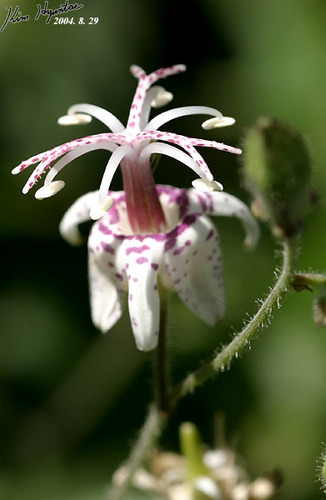
iNaturalist· cc-by-nc
(c) Will Pearce, some rights reserved (CC BY-NC), uploaded by Will Pearce
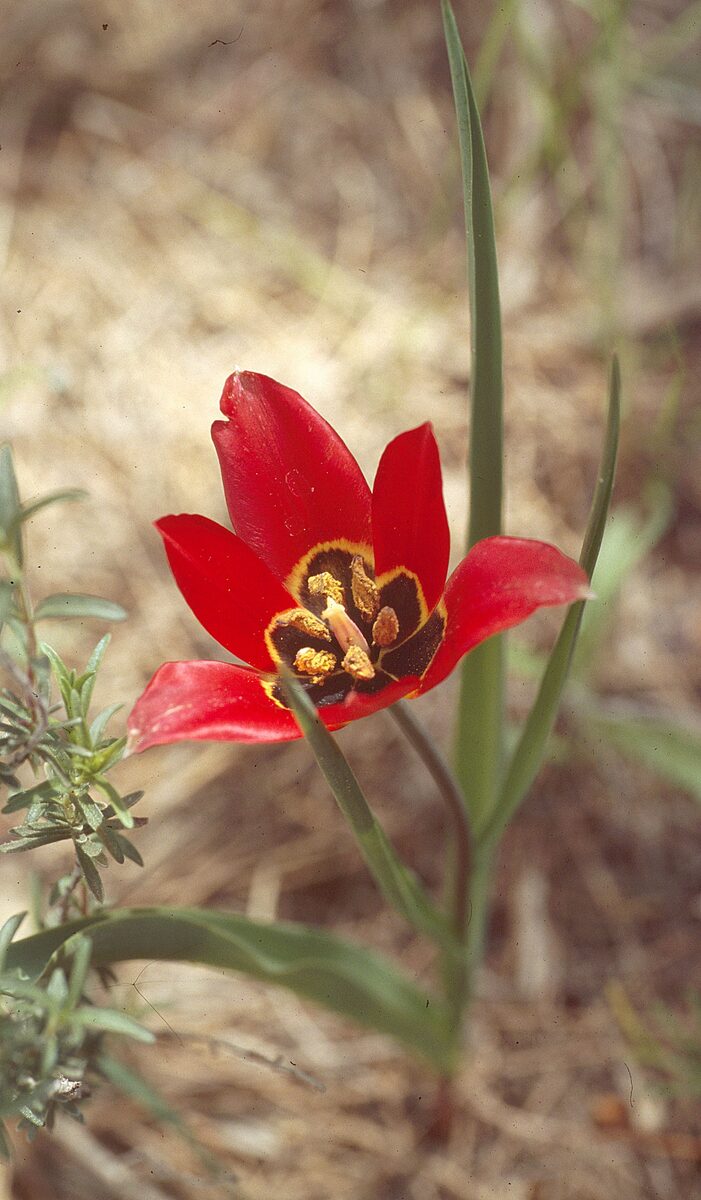
iNaturalist· cc-by-nc
(c) Zach Coury, some rights reserved (CC BY-NC), uploaded by Zach Coury
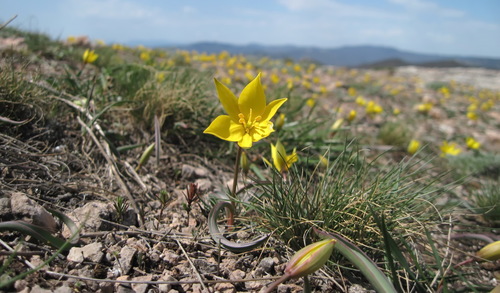
iNaturalist· cc-by-nc
(c) noodlelion, some rights reserved (CC BY-NC)
Summary
Source: WikipediaCalochortus nuttallii, also known as the sego lily, is a bulbous perennial plant that is endemic to the Western United States. The common name of sego comes from a similar Shoshone word. It is the state flower of Utah.
Description
A bulb plant.
This description is brief — help expand it
Edible Uses
Native Americans had culinary uses for the bulbs, seeds, and flowers of the plant. Bulbs were roasted, boiled, or made into a porridge by the Hopi, Havasupai, Navajo, Southern Paiute, Gosiute, and Ute peoples. The Hopi used the yellow flower ceremonially. The Shoshone taught the Mormon pioneers to use the bulb for badly needed food, which resulted in the sego lily being formally designated as the Utah State Flower in 1911. Sego is derived from the Shoshone word seego. The sego lily was commemorated by the Sego Lily Dam, a flood-prevention infrastructure project in the shape of a giant sego lily, built in Sugar House Park in Salt Lake City in 2017. The USDA Natural Resources Conservation Service strongly cautions foragers that many highly toxic plants commonly called deathcamas grow in the same habitat as Calochortus nuttallii and can be easily confused with it when flowers are not present.
Distribution
It is a temperate plant.
Where It Grows
North America, USA,
Notes
There are about 60-100 Calochortus species. There are 7-9 species in tropical America. They have also been put in the family Calochortaceae.
References (1)
- Plants for a Future database, The Field, Penpol, Lostwithiel, Cornwall, PL22 0NG, UK. http://www.scs.leeds.ac.uk/pfaf/