Amana edulis
(Miq.) Baker
Edible tulip
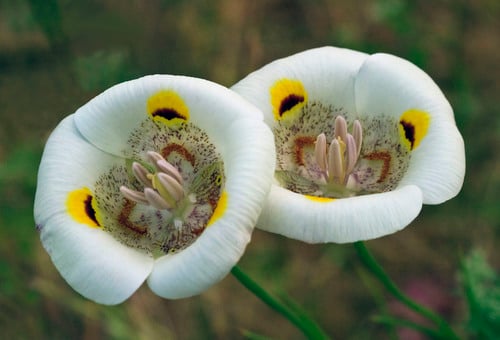
iNaturalist· cc-by-nc
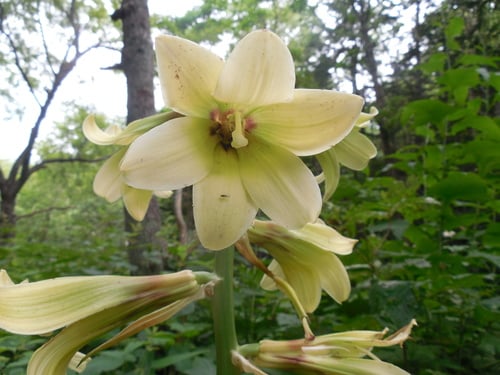
(c) Chuangzao, some rights reserved (CC BY-NC), uploaded by Chuangzao
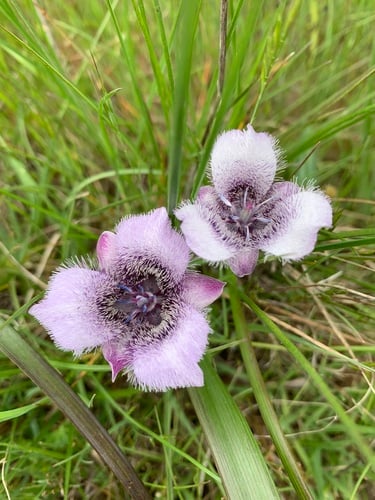
iNaturalist· cc-by-nc
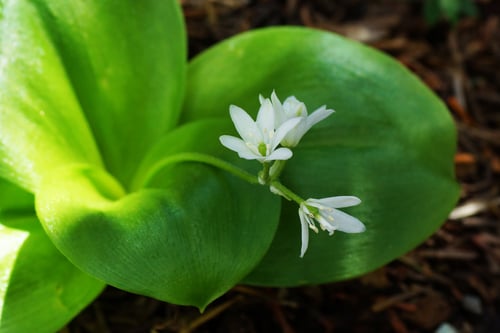
(c) onidiras-iNaturalist, some rights reserved (CC BY-NC), uploaded by onidiras-iNaturalist
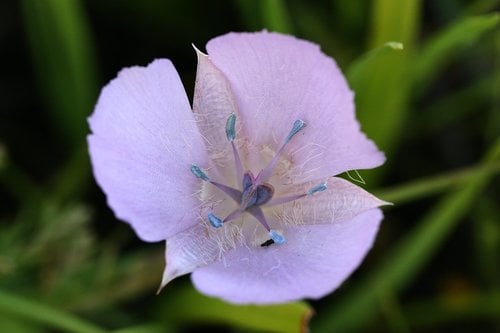
iNaturalist· cc-by-nc
(c) 空猫 T. N, some rights reserved (CC BY-NC), uploaded by 空猫 T. N
Summary
Source: WikipediaAmana edulis (formerly Tulipa edulis) is a flowering bulb that is native to China, Japan, and Korea. Amana edulis is a bulb-forming perennial up to 25 cm tall. The flowers are white, streaked with purplish-red. The bulbs are edible and in some cases have been used medicinally.
Description
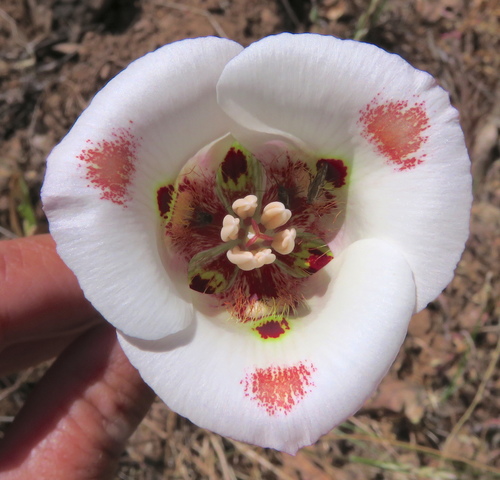
A bulb plant. The bulb is 1.5-4 cm across. It has a brown papery covering. Then stem is usually simple and 10-25 cm long. It is slender. There are usually 2 leaves. They are narrow. They are 10-25 cm long by 5-9 mm wide. There is one flower. The flower stalk is 2-4 cm long. The flower is white streaked with purple-red. The fruit is a capsule which is half round and 5-7 mm across. The tip has a long beak.
Edible Uses
The bulbs, roots, leaves, stalks, and shoots are all edible.
Distribution
It is a temperate plant. It grows on grassy slopes and hillsides from near sea level to 1700 m altitude in N China.
Where It Grows
Asia, China, Japan, Korea, Manchuria, South Korea,
Notes
There are about 100 Tulipa species and many cultivated varieties.
Synonyms
Also Known As
Lao ya ban
References (6)
- Chen Xinqi, Liang Songyun, Xu Jiemei, Tamura M.N., Liliaceae. Flora of China. p 53 (As Tulipa edulis)
- Chen, B. & Qiu, Z., Consumer's Attitudes towards Edible Wild Plants, Ishikawa Prefecture, Japan. p 22 www.hindawi.com/journals/ijfr/aip/872413.pdf
- Hu, Shiu-ying, 2005, Food Plants of China. The Chinese University Press. p 321 (As Tulipa edulis)
- J. Linn. Soc., Bot. 14:295. 1874 (As Tulipa edulis)
- Lim, T. K., 2015, Edible Medicinal and Non Medicinal Plants. Volume 9, Modified Stems, Roots, Bulbs. Springer p 83
Show all 6 references Hide references
- Plants for a Future database, The Field, Penpol, Lostwithiel, Cornwall, PL22 0NG, UK. http://www.scs.leeds.ac.uk/pfaf/ (As Tulipa edulis)