Calochortus ambiguus - (M.E. Jones) Ownbey
(M.E. Jones) Ownbey
Arizona or Doubting Mariposa Lily
gbif· cc-by-nc
Nick Dorian
gbif· cc-by-nc
Taylor Curry
gbif· cc-by-nc
Taylor Curry
Description
Calochortus ambiguus is a BULB growing to 0.2 m (0ft 8in) by 0.1 m (0ft 4in) at a medium rate. See above for USDA hardiness. It is hardy to UK zone 7. The flowers are pollinated by Bees, Insects. It is noted for attracting wildlife. Suitable for: light (sandy) and medium (loamy) soils, prefers well-drained soil and can grow in nutritionally poor soil. Suitable pH: neutral and basic (mildly alkaline) soils and can grow in very alkaline soils. It cannot grow in the shade. It prefers dry or moist soil and can tolerate drought.
Edible Uses
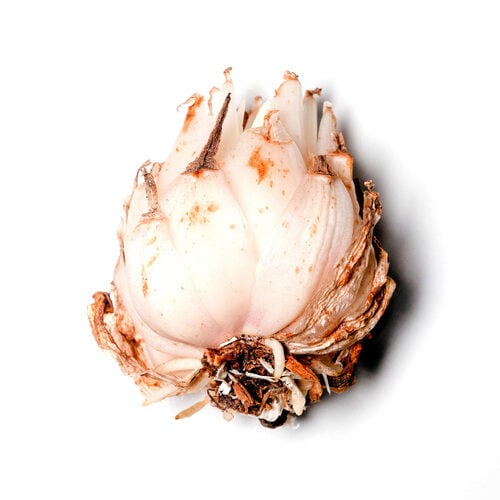
The bulbs are edible when cooked, offering a mild, potato-like flavor and soft texture. The bulbs were roasted or boiled by Native American peoples, notably the Apache and Hopi. Because of their small size, collecting enough bulbs for a meal is labor-intensive, but they are rich in starch and energy. The edibility rating is 4/5 for the bulb and 1/5 for other plant parts, which are minimal and of low nutritional value. Taste, Processing & Kitchen Notes: Fresh bulbs are crisp and faintly sweet. When roasted or boiled, they develop a smooth, floury texture similar to parsnips or new potatoes. A light roasting or ash baking brings out a subtle nutty aroma. The bulbs lack bitterness or onion-like flavor, distinguishing them from many other bulbous plants. Indigenous cooking methods included roasting in earth ovens or boiling in clay pots. Seasonality (Phenology): Flowering: April–June, depending on elevation and moisture. Fruiting: May–July. Dormancy: Plants die back completely by midsummer, leaving no above-ground trace until the following spring. Bulb harvest: Best conducted immediately after flowering or once seed capsules mature. Safety & Cautions (Food Use): Edible when cooked; raw bulbs may cause mild stomach upset due to saponins. Avoid collecting in protected habitats. Harvest & Processing Workflow: Dig bulbs carefully during or just after flowering using a narrow trowel. Rinse, peel outer tunic, and roast or boil 15–20 minutes. Drying or roasting for storage is possible but reduces flavor. Traditional / Indigenous Use Summary: Consumed as a starchy emergency food by southwestern tribes such as the Apache, Hopi, and Zuni. Bulbs were eaten roasted, boiled, or ground into flour. The plant also held ceremonial value, with flowers occasionally used as offerings.
Known Hazards
Edible when cooked; raw bulbs may cause mild stomach upset due to saponins. Avoid collecting in protected habitats.
Distribution
Native to Arizona, New Mexico, and northern Mexico.
Where It Grows
US. USA. Arizona, Mexico Northwest, New Mexico, Utah
Cultivation
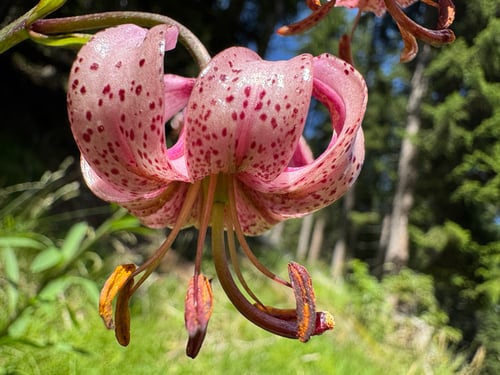
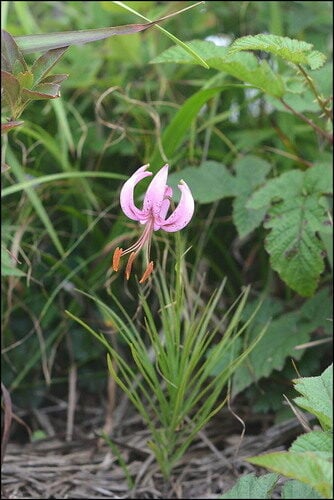
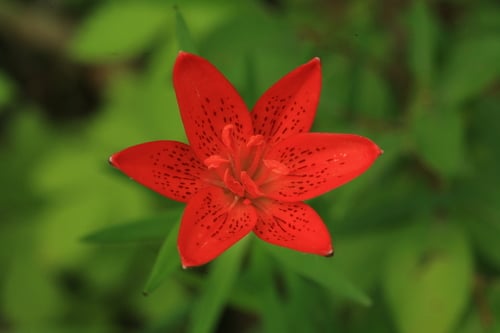
Identification & Habit: A small herbaceous perennial, Calochortus ambiguus arises from an ovoid bulb 1–2 cm in diameter. Stems are slender, 10–40 cm tall, usually unbranched, and bear one to three grass-like leaves. Flowers are cup-shaped with three broad petals and three narrower sepals, the petals displaying a whitish-pink to lavender hue with darker markings and a distinctive central nectar gland. The interior may be spotted or fringed. Fruits are erect, three-angled capsules that dry to a tan color. Pollination is primarily by native solitary bees (Anthophoridae, Andrenidae) and occasionally small butterflies and beetles, which are attracted by the conspicuous coloration and sugary secretions of the petal glands. Growing Conditions: Prefers well-drained sandy or gravelly soils in open grasslands, pinyon-juniper woodlands, and desert foothills. It thrives in full sun, tolerates alkaline conditions, and survives extended summer drought via dormancy. USDA Hardiness Zones: 6–9. Habitat & Range: Native to Arizona, New Mexico, and northern Mexico, typically found between 1,000 and 2,000 m elevation on dry slopes, mesas, and desert grasslands. Often associated with Agave, Yucca, and Bouteloua species in open habitats. Size & Landscape Performance: Height ranges 10–40 cm, width 10–15 cm. The plant’s fine, grassy foliage and elegant flowers make it desirable for xeric native gardens and wildflower restorations. In cultivation, it benefits from rocky mulch and deep, dry summer dormancy. Cultivation (Horticulture): Requires dry summers and moderate winter moisture; well-suited to rock gardens. Fertilization should be avoided, as rich soils diminish bulb hardiness. Pests & Problems: Generally pest-free. In cultivation, bulbs may rot in poorly drained soils. Fungal blight occasionally affects leaves under humid conditions.
Propagation
Best from seed sown in fall; bulbs may be divided after dormancy.
Other Uses
Xeric native gardens and wildflower restorations. Traditional / Indigenous Use Summary: The plant also held ceremonial value, with flowers occasionally used as offerings. Ecology & Wildlife: Supports native bee pollinators and small beetles. The flowers’ nectar glands provide early-season resources in desert ecosystems. Bulbs may be consumed by rodents, including ground squirrels and pocket gophers. A beautiful and ecologically resilient desert bulb with a long cultural history as a wild food. It exemplifies adaptation to drought and nutrient-poor soils while producing edible bulbs.
Synonyms
Also Known As
Arizona or Doubting Mariposa Lily (Calochortus ambiguus (M.E. Jones) Ownbey)