Clerodendrum volubile
P. Beauv.
iNaturalist· cc0
no rights reserved, uploaded by Ben Keen
iNaturalist· cc0
no rights reserved, uploaded by Ben Keen
wikimedia· cc-by-sa
Wikimedia Commons - LRBurdak
Description
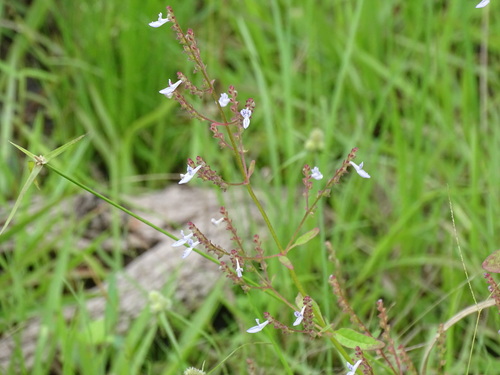
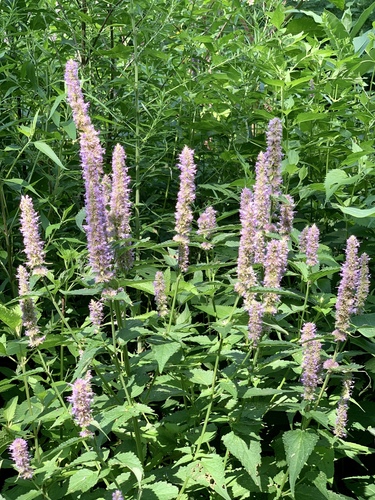
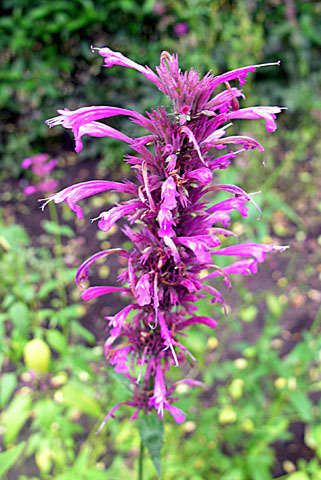
A climbing shrub. There are many flowers. They are 15 mm long and greenish-white with a yellow throat. These are at the ends of branches.
This description is brief — help expand it
Edible Uses
The leaves are eaten. The leaves of species in this genus usually have a bitter flavour and are eaten more for their beneficial effect upon the digestive system than for their flavour.
Medicinal Uses
The leaves are used traditionally to help with diabetes and hypertension.
Known Hazards
None noted.
Distribution
It is a tropical plant It grows in deciduous forest and in secondary jungle. It is recorded at 1,400 m above sea level in Nigeria.
Where It Grows
Africa, Angola, Benin, Central Africa, Central African Republic, CAR, Côte d'Ivoire, Equatorial Guinea, Ghana, Ivory Coast, Liberia, Nigeria, Sao Tome and Principe, Senegal, Sierra Leone, Tanzania, Togo, West Africa,
Cultivation
Species in this genus generally grow best in full sun or partial shade in a moist but well-drained soil.
Propagation
Seed - Softwood cuttings Cuttings of half-ripe wood Root cuttings Division of suckers
Notes
The leaves are useful for diabetes and hypertension.
Also Known As
Ayadebi, Kumamuno, Nebu, Sussuru
References (4)
- Burkill, H. M., 1985, The useful plants of west tropical Africa, Vol. 5. Kew.
- Chapman, J. D. & Chapman, H. M., 2001, The Forest Flora of Taraba and Andamawa States, Nigeria. WWF & University of Canterbury. p 206
- Grubben, G. J. H. and Denton, O. A. (eds), 2004, Plant Resources of Tropical Africa 2. Vegetables. PROTA, Wageningen, Netherlands. p 560
- World Checklist of Useful Plant Species 2020. Royal Botanic Gardens, Kew