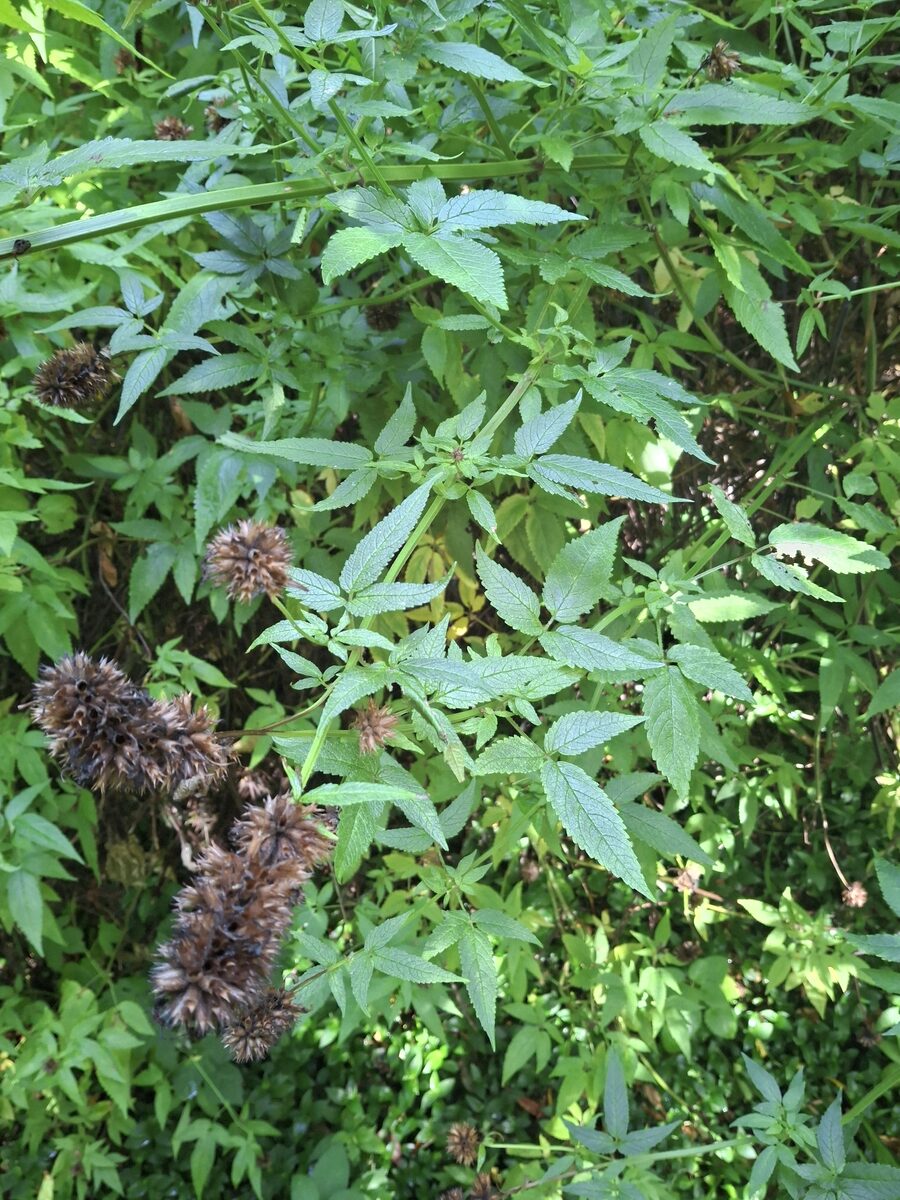
Aeollanthus pubescens
Benth.
Iko, Yiye
iNaturalist· cc-by-nc
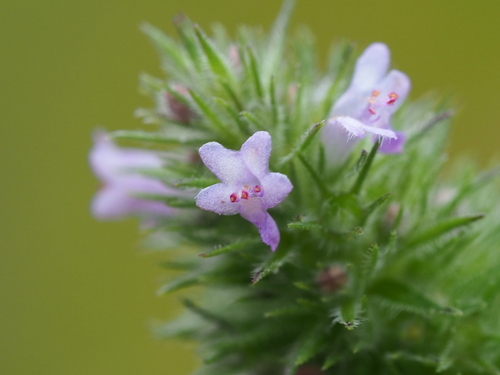
(c) Sadam TORO, some rights reserved (CC BY-NC), uploaded by Sadam TORO
Description
An erect, branched annual herb in the mint family (Lamiaceae) growing about 90 cm high. It is native to tropical Africa, where it grows in rocky waste places in savanna woodlands.
Edible Uses
The leaves are used in sauces and as a flavouring, similar to basil. The flowers and leaves can be eaten as vegetables or used as a spice.
Traditional Uses
The leaves are used in sauces and as a flavouring. It is like basil.
This uses section is brief — help expand it
Medicinal Uses
The leaves are used in traditional preparations as a flavouring and sauce base.
Distribution
A tropical plant. It grows in rocky waste places in savanna woodlands.
Where It Grows
Africa, Benin, Burkina Faso, Cameroon, Central Africa, Central African Republic, CAR, Congo, East Africa, Ghana, Mali, Nigeria, Sierra Leone, West Africa, Zambia,
Cultivation
Plants are grown by seed.
Notes
There are about 35 Aeolanthus species. They occur in Africa.
Synonyms
Also Known As
Fe okuta, Kpon'kouta
References (13)
- Abbiw, D.K., 1990, Useful Plants of Ghana. West African uses of wild and cultivated plants. Intermediate Technology Publications and the Royal Botanic Gardens, Kew. p 41
- Bircher, A. G. & Bircher, W. H., 2000, Encyclopedia of Fruit Trees and Edible Flowering Plants in Egypt and the Subtropics. AUC Press. p 11
- Burkill, H. M., 1985, The useful plants of west tropical Africa, Vol. 3. Kew.
- Dalziel, 1937,
- Gallagher, D. E., 2010, Farming beyond the escarpment: Society, Environment, and Mobility in Precolonial Southeastern Burkina Faso. PhD University of Michigan.
Show all 13 references Hide references
- Grubben, G. J. H. and Denton, O. A. (eds), 2004, Plant Resources of Tropical Africa 2. Vegetables. PROTA, Wageningen, Netherlands. p 559
- Jardin, C., 1970, List of Foods Used In Africa, FAO Nutrition Information Document Series No 2.p 51
- Kafoutchoni, K. M., et al, 2018, Species richness, cultural importance, and prioritization of wild spices for conservation in the Sudano-Guinean zone of Benin (West Africa). Journal of Ethnobiology and Ethnomedicine. 14:67
- Martin, F.W. & Ruberte, R.M., 1979, Edible Leaves of the Tropics. Antillian College Press, Mayaguez, Puerto Rico. p 195
- Okigbo, B.N., Vegetables in Tropical Africa, in Opena, R.T. & Kyomo, M.L., 1990, Vegetable Research and development in SADCC countries. Asian Vegetable Research and development Centre. Taiwan. p 42
- Seidemann J., 2005, World Spice Plants. Economic Usage, Botany, Taxonomy. Springer. p 6
- Terra, G.J.A., 1973, Tropical Vegetables. Communication 54e Royal Tropical Institute, Amsterdam, p 19
- Uphof, 1968,