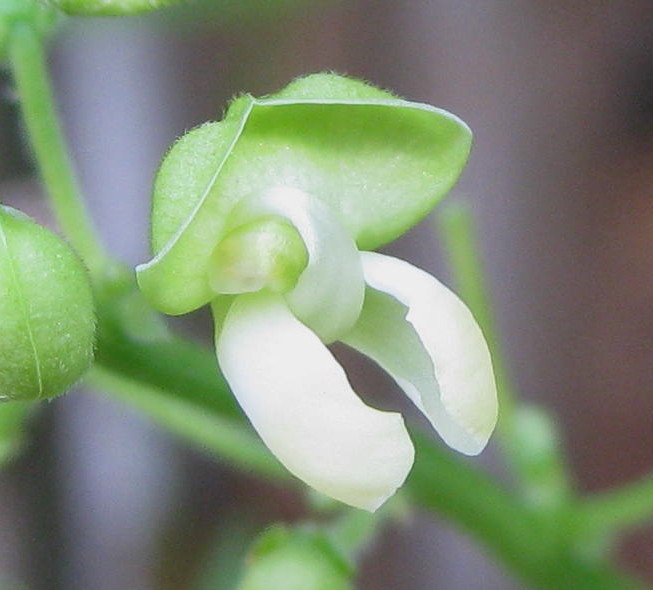
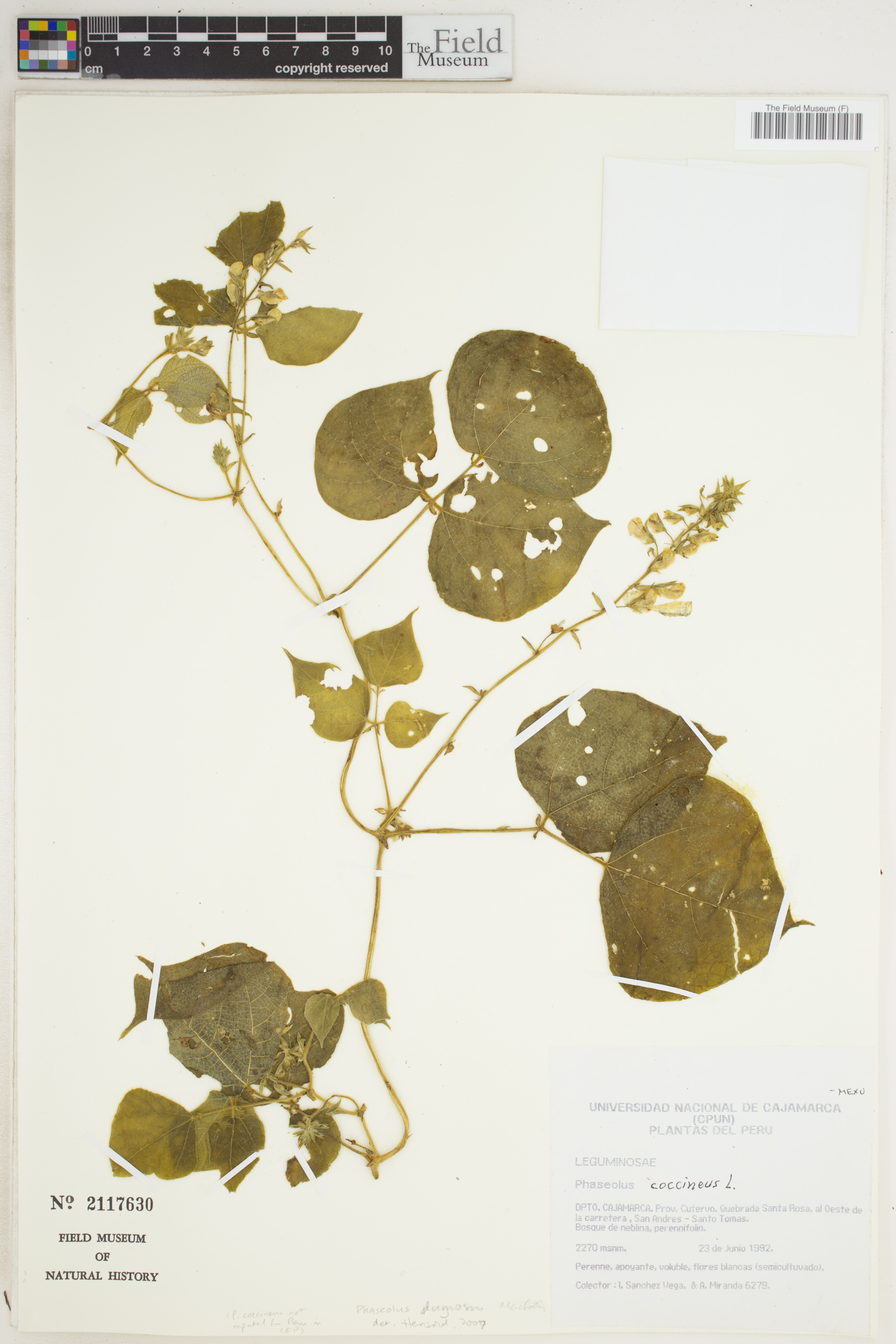
Eriosema ellipticum
Welw. ex Baker
Indian pea
iNaturalist· cc-by-nc
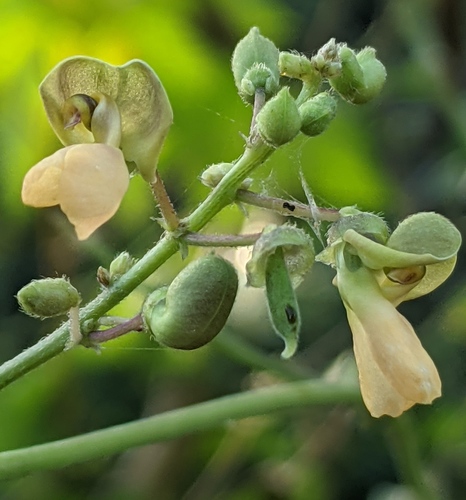
(c) Bart Wursten, some rights reserved (CC BY-NC), uploaded by Bart Wursten
iNaturalist· cc-by-nc
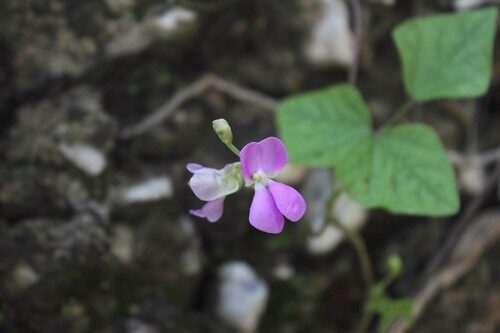
(c) Dan Lee, some rights reserved (CC BY-NC)
Description
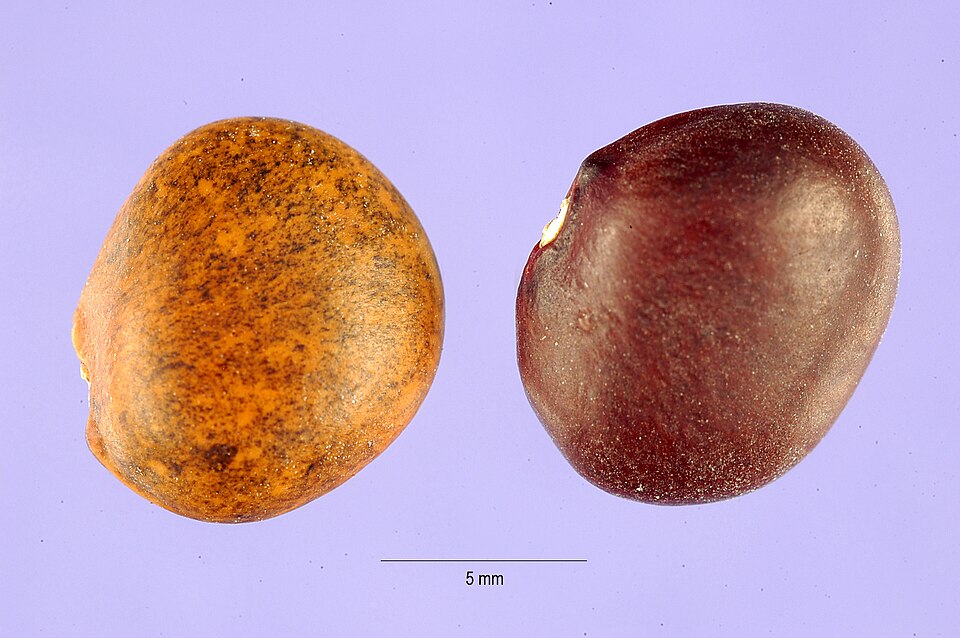
An erect shrub. It has many branches. It can grow 1-3 m tall. The branches are black. Young parts can have a rusty covering of hairs. There is usually one leaflet but there can be three. They are silver or grey underneath. They are 3-9 cm long by 1-4 cm wide. There are hairs underneath. The flower clusters are at the ends of branches. The standard is yellow and the keel is a paler yellow. The fruit are pods 2-3 cm long by 1 cm wide. They have a dense covering or golden or grey hairs. The seeds are black and shiny. They are 6-8 mm long by 4-5 mm wide and 3 mm thick.
Edible Uses
The seeds are eaten.
Distribution
It is a tropical plant. It can grow in arid places.
Where It Grows
Africa, Angola, Central Africa, Congo, East Africa, Eswatini, Malawi, Mozambique, South Africa, Southern Africa, Swaziland, Tanzania, Zambia, Zimbabwe,