Medicago falcata
L.
Yellow lucerne, Sickle medick
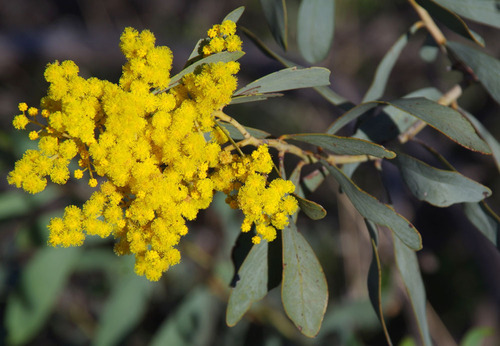
iNaturalist· cc-by-nc
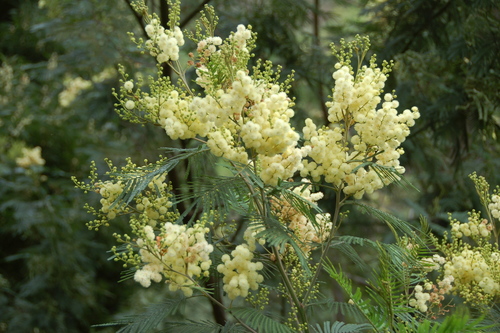
(c) Andrii Churilov, some rights reserved (CC BY-NC), uploaded by Andrii Churilov
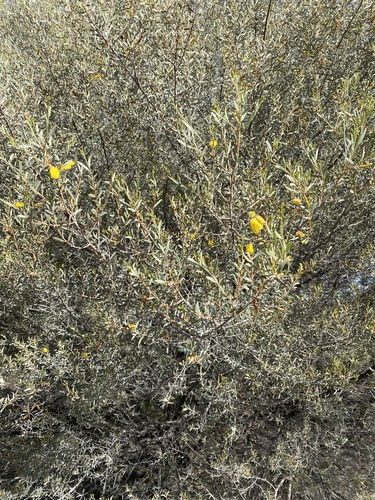
iNaturalist· cc-by-sa
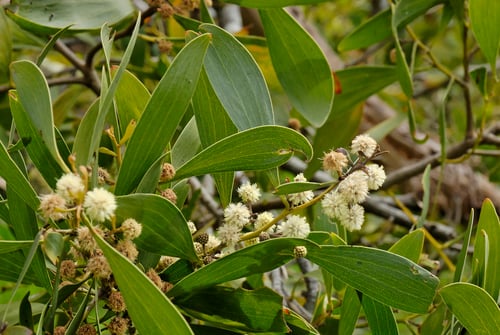
(c) Stefan.lefnaer, some rights reserved (CC BY-SA)
iNaturalist· cc-by-nc
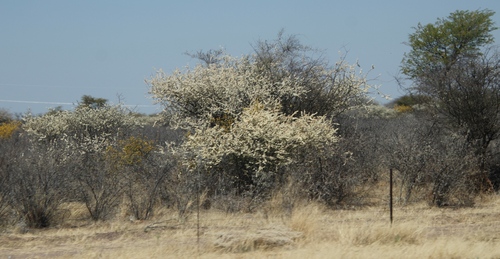
(c) Екатерина Архангельская, some rights reserved (CC BY-NC), uploaded by Екатерина Архангельская
Summary
Source: WikipediaMedicago falcata is a plant species of the genus Medicago. It is native to much of Europe and Asia, but is found throughout the world. It forms a symbiotic relationship with the bacterium Sinorhizobium meliloti, which is capable of nitrogen fixation. Its common names include yellow lucerne, sickle alfalfa, yellow-flowered alfalfa, yellow alfalfa, sickle medick and yellow medick.
Description
A herb. It keeps growing from year to year. The stem can be 80 cm long. It can be erect or lie over. The leaflets are 5-20 mm long by 2-6 mm wide. They are broadly oval. The fruit are 8-11 mm long by 2.5 mm wide. There are 2-8 seeds.
Edible Uses
The young leaves and flowers are used as a vegetable and are a main wild vegetable in the Hexi corridor and Qilian mountains of China.
Traditional Uses
The flowers and young leaves are used as a vegetable.
This uses section is brief — help expand it
Distribution
It is a temperate plant. It grows on grassy slopes and dry sandy fields. In Nepal it grows at 500 m above sea level. In Argentina it grows from sea level to 500 m above sea level. In the Indian Himalayas it grows between 3,000-4,500 m above sea level. Tasmania Herbarium.
Where It Grows
Afghanistan, Argentina, Asia, Australia, Balkans, Central Asia, China, Europe, Himalayas, India, Luxembourg, Macedonia, Mongolia, Nepal, Pakistan, Russia, Siberia, South America, Tajikistan, Tasmania, Tibet, Turkey, Türkiye,
Other Information
It is a main wild vegetable in the Hexi corridor QiLian mountais, China.
Notes
There are about 56 Medicago species.
Also Known As
Bhirin sag, Busuhang menpa, Gya so erpo, Kart yonca, Methya
References (10)
- Ambasta, S.P. (Ed.), 2000, The Useful Plants of India. CSIR India. p 359
- "Chinese Nutrition Journal", 2002, Vol 23(8) p 298
- Dangol, D. R. et al, 2017, Wild Edible Plants in Nepal. Proceedings of 2nd National Workshop on CUAOGR, 2017.
- Ertug, F, Yenen Bitkiler. Resimli Türkiye Florası -I- Flora of Turkey - Ethnobotany supplement
- Flora of Pakistan. www.eFloras.org
Show all 10 references Hide references
- Ghimire, S. K., et al, 2008, Non-Timber Forest Products of Nepal Himalaya. WWF Nepal p 94
- Joshi, N., et al, 2007, Traditional neglected vegetables of Nepal: Their sustainable utilization for meeting human needs. Tropentag 2007. Conference on International Agricultural Research for Development.
- Sharma, L. et al, 2018, Diversity, distribution pattern, endemism and indigenous uses of wild edible plants in Cold Desert Biosphere Reserve of Indian Trans Himalaya. Indian Journal of Traditional Knowledge. Vol 17(1) January 2018 pp 122-131
- Sp. pl. 2:779. 1753
- Tasmanian Herbarium Vascular Plants list p 30