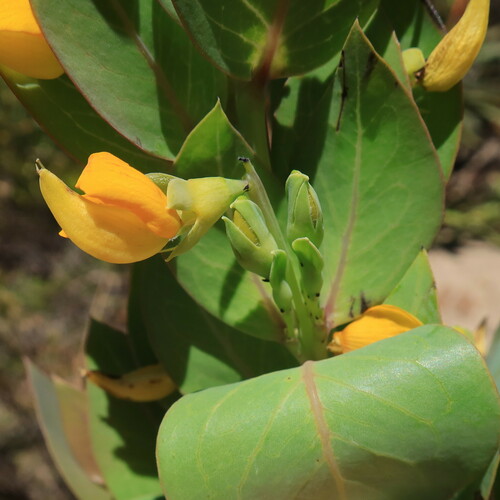
Medicago arborea
L.
Moon Trefoil
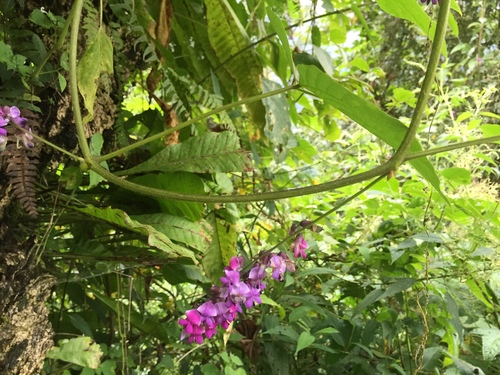
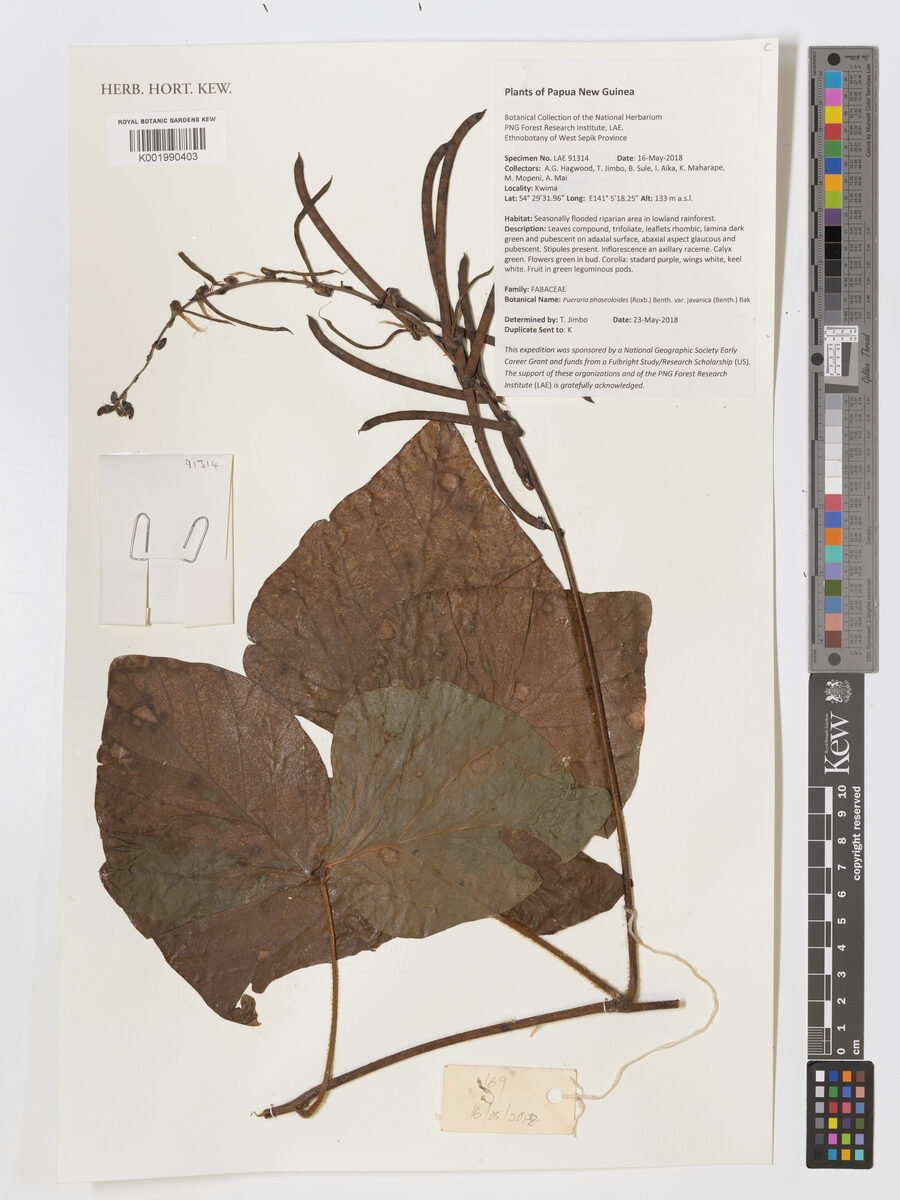
wikimedia· cc-by-sa
Wikimedia Commons (via Wikimedia Commons)
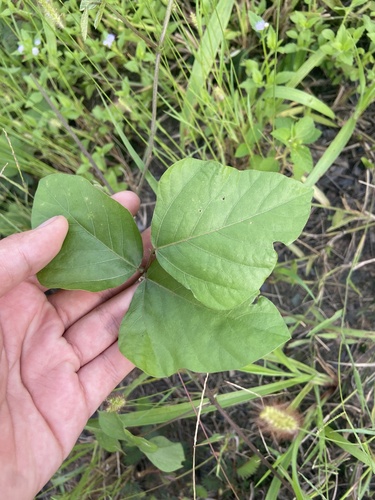
iNaturalist· cc-by-nc
(c) Carles Fabregat, some rights reserved (CC BY-NC), uploaded by Carles Fabregat
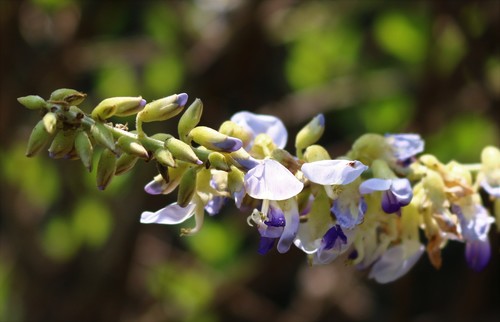
iNaturalist· cc-by-nc
(c) Carles Fabregat, some rights reserved (CC BY-NC), uploaded by Carles Fabregat
Description
Medicago arborea is an evergreen Shrub growing to 2 m (6ft) by 2 m (6ft). See above for USDA hardiness. It is hardy to UK zone 8 and is frost tender. It is in leaf all year, in flower from May to October. The species is hermaphrodite (has both male and female organs). It can fix Nitrogen. Suitable for: light (sandy), medium (loamy) and heavy (clay) soils. Suitable pH: mildly acid, neutral and basic (mildly alkaline) soils. It cannot grow in the shade. It prefers dry or moist soil. The plant can tolerate maritime exposure.
Edible Uses
Leaves - raw or cooked. This plant was supplied to Plants for a Future in early 1994 from a person in Greece who said that it was often used in salads there. Young shoots, when the plant is growing vigorously, have a slightly sweet, grass-like flavour but a rather chewy texture. Older leaves, and younger leaves if the plant is not growing vigorously, have a distinct bitterness and are rather unpleasant.
Distribution
Europe - Mediterranean.
Where It Grows
TEMPERATE ASIA: Turkey EUROPE: Albania, Greece (Aegean Islands), Greece (incl. Crete) (Aegean Islands), Italy, Spain
Cultivation
Requires a warm position in full sun, succeeding in dry or well-drained moist soils. Best grown against a wall in the colder areas of the country. Tolerant of wind and salt spray, it grows well in maritime gardens. Plants are not hardy in the colder areas of Britain, they tolerate temperatures down to about -10°c when fully dormant, though the young growth in spring can be damaged by late frosts. They do not succeed in the open at Kew, though they grow well against a wall. The flowers have a vanilla or sweet pea scent. Any pruning should consist of cutting out dead wood in the spring. This species has a symbiotic relationship with certain soil bacteria, these bacteria form nodules on the roots and fix atmospheric nitrogen. Some of this nitrogen is utilized by the growing plant but some can also be used by other plants growing nearby.
Propagation
Pre-soak the seed for 12 hours in warm water and then sow in spring in a greenhouse. The seed can also be sown in a greenhouse in autumn. Germination should be quite rapid. Prick out the seedlings into individual pots when they are large enough to handle and grow them on for at least the first winter in a greenhouse. Plant out in late spring or early summer. Cuttings of half-ripe wood, July/August in a frame. Very easy if bottom heat is given.