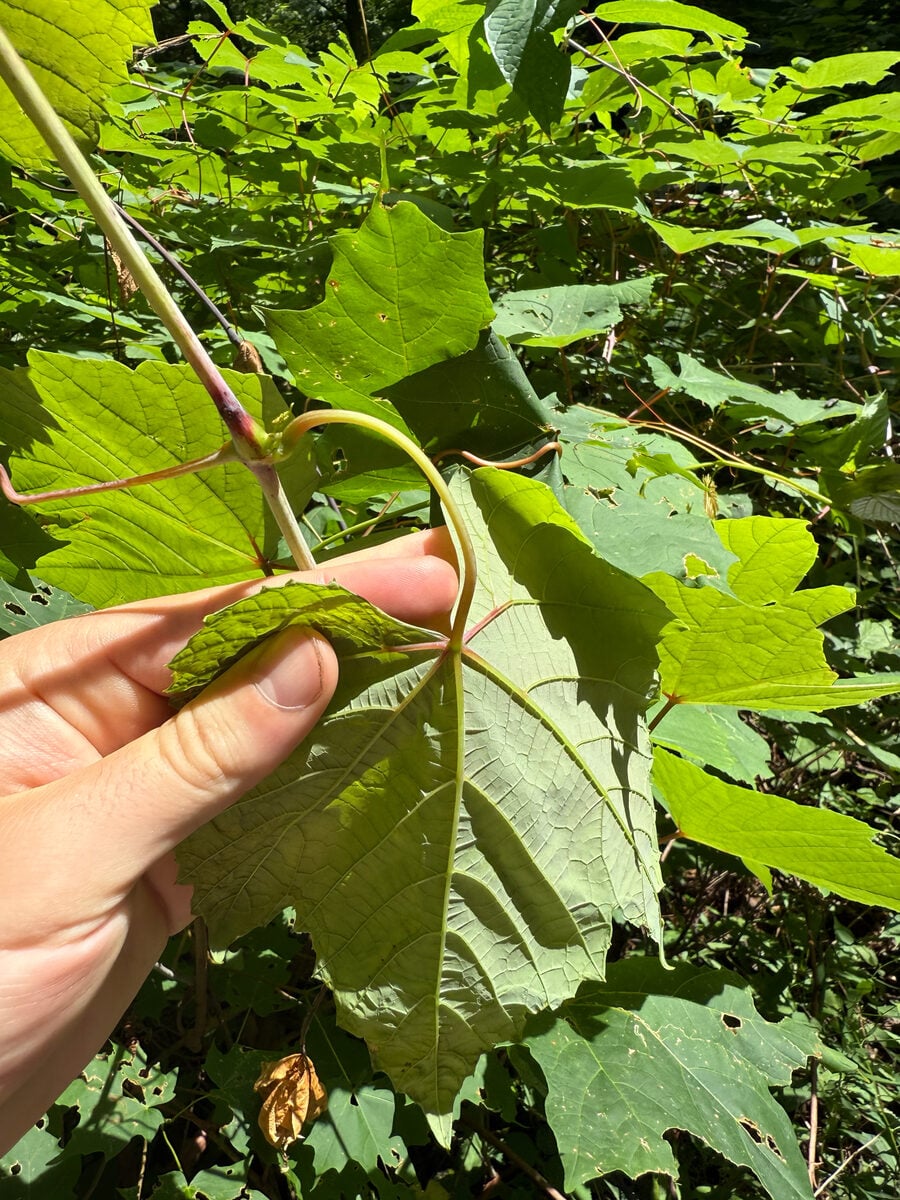
Vitis sylvestris
Gmel.
Divlja vinova loza
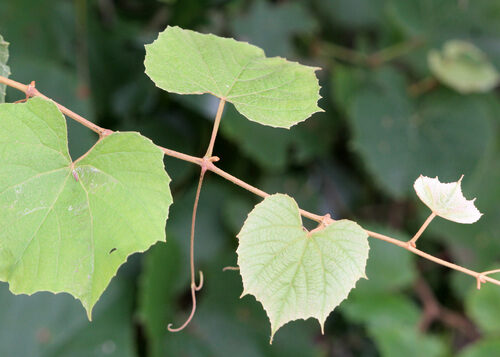
iNaturalist· cc-by-nc
(c) Andreas Rockstein, some rights reserved (CC BY-NC)
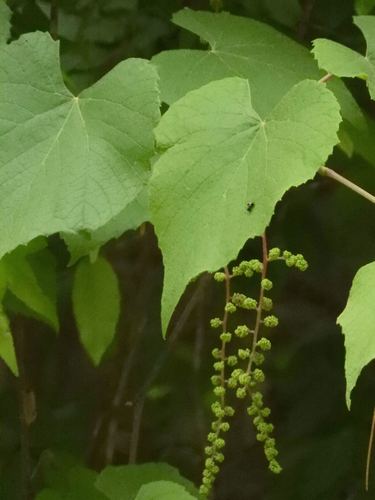
iNaturalist· cc-by-nc
(c) Andreas Rockstein, some rights reserved (CC BY-NC)
iNaturalist· cc-by-nc
(c) Andreas Rockstein, some rights reserved (CC BY-NC)
Description
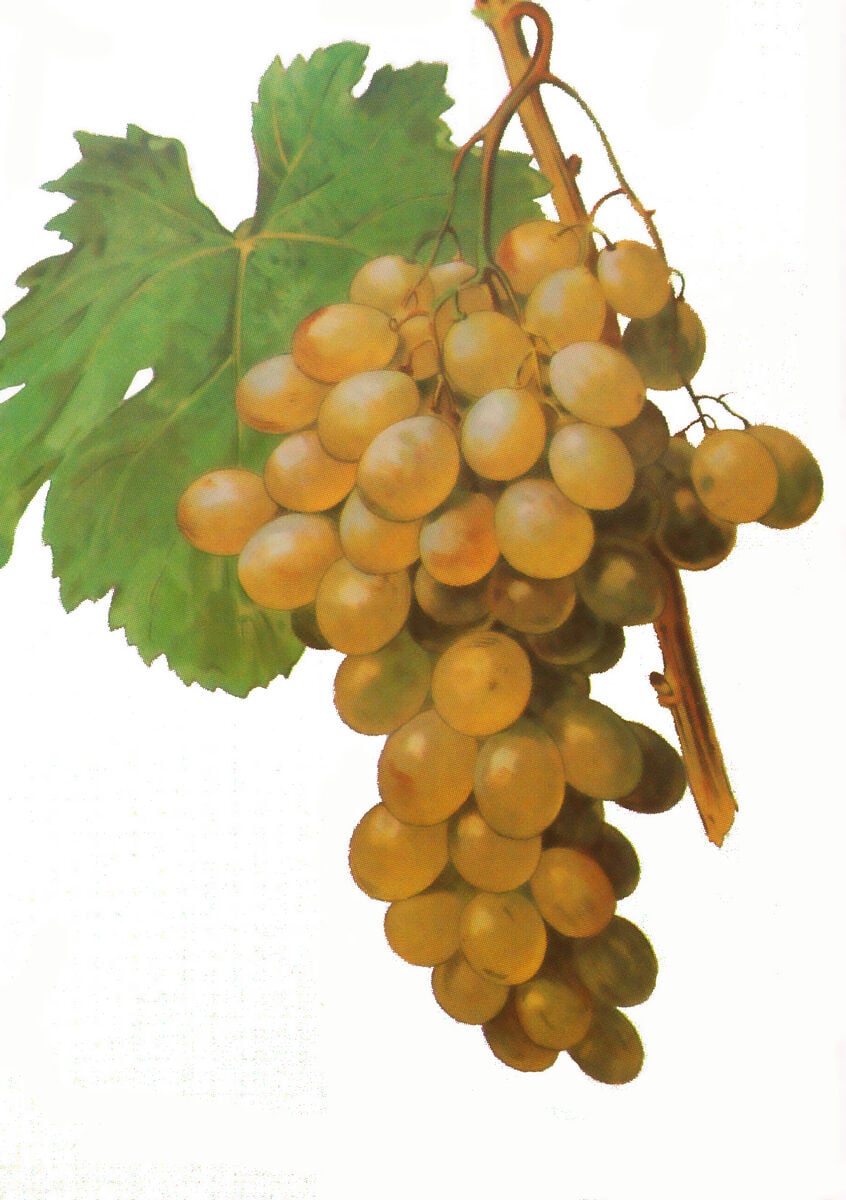
A vigorous vine in the Vitaceae family found in temperate regions, representing the wild form of grapevine (Vitis vinifera).
This description is brief — help expand it
Edible Uses
The leaves are cooked as vegetables and traditionally used for sarma, a Turkish dish where leaves are rolled around fillings of rice or minced meat. The fruit is eaten fresh and processed into vinegar and brandy.
Traditional Uses
The leaves are cooked as vegetables. The leaves are used for sarma in Turkey. They are rolled around a filling of rice or minced meat. The fruit are eaten and used for vinegar and brandy.
Distribution
It is a temperate plant.
Where It Grows
Albania, Armenia, Austria, Balkans, Bosnia, Bulgaria, Caucasus, Czech, Europe, France, Georgia, Greece, Hungary, Italy, Macedonia, Mediterranean, Romania, Russia, Slovenia, Switzerland, Turkey, Türkiye, Turkmenistan, Yugoslavia,
Dangerous Lookalikes
This plant can be confused with the following toxic species. Always verify identification carefully before consuming any wild plant.
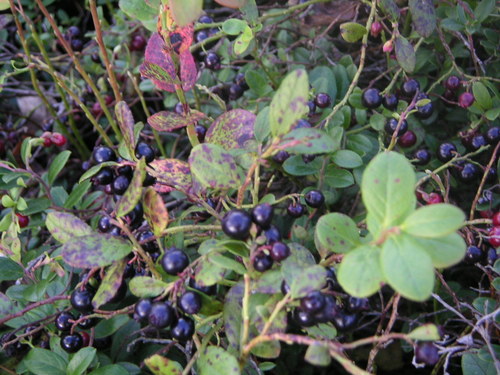
Canadian Moonseed
Menispermum canadense
Cbaile19
Divlja vinova loza
Vitis sylvestris
(c) Andreas Rockstein, some rights reserved (CC BY-NC)
Canadian Moonseed: No tendrils, single crescent/moon-shaped seed, leaf stem attaches to underside of leaf.
Divlja vinova loza: Vine with tendrils, round seeds, leaf stem at edge of leaf, bark that peels.
Also Known As
Diva loza, Divja vinska trta, Usurazi
References (9)
- Bussman, R. W., et al, 2021, Unity in diversity—food plants and fungi of Sakartvelo (Republic of Georgia), Caucasus. Journal of Ethnobiology and Ethnomedicine (2021) 17:72 p 15
- Denes, A., et al, 2012, Wild plants used for food by Hungarian ethnic groups living in the Carpathian Basin. Acta Societatis Botanicorum Poloniae 81 (4): 381-396
- Dogan, A. & Tuzlaci, E., 2015, Wild Edible Plants of Pertek (Tunceli-Turkey). Marmara Pharmaceutical Journal 19: 126-135
- Dogan, Y., et al, 2015, Of the importance of a leaf: the ethnobotany of sarma in Turkey and the Balkans. Journal of Ethnobiology and Ethnomedicine, 11:56
- http://www.botanic-gardens-ljubljana.com/en/plants
Show all 9 references Hide references
- Miskoska-Milevska, E. et al, 2020, Traditional uses of wild edible plants in the Republic of North Macedonia. PHYTOLOGIA BALCANICA 26(1): 155–162, Sofia, 2020 p 159
- Postman, J. D., et al, 2012, Recent NPGS Coordinated Expeditions in the Trans-Caucasus Region to Collect Wild Relatives of Temperate Fruit and Nut Crops. In Acta Horticulturae Number 948 p 191-198 (As Vitis vinifera subsp. sylvestris)
- Redzic, S. J., 2006, Wild Edible Plants and their Traditional Use in the Human Nutrition in Bosnia-Herzegovina. Ecology of Food and Nutrition, 45:189-232
- Sansanelli, S., et al, 2014, Wild food plants traditionall consumed in the area of Bologna (Emilia Romagna region, Italy). Journal of Ethnobiology and Ethnomedicine 10:69 (As Vitis vinifera subsp. sylvestris)