Ampelocissus abyssinica
(Hochst. ex A.Rich.) Planch.
Hareg-tement
wikimedia· pd
Viala et Vermorel (via Wikimedia Commons)
Summary
Source: WikipediaAmpelocissus abyssinica is a large climbing vine native to southeast Ethiopia, where it is known in the Afaan Oromo language by the name teru (also the name for a part of that country), and is used as a herbal treatment for the medical condition known as black leg. Its first botanical description was in 1847 as Vitis abyssinica, that name being the basionym for its treatment here under the genus Ampelocissus.
Description
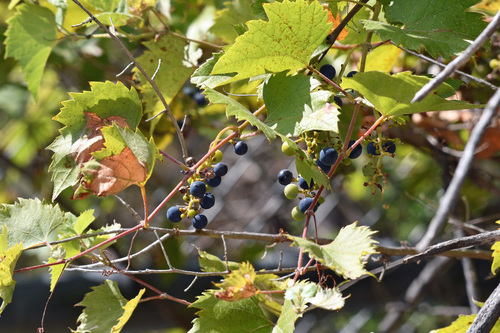
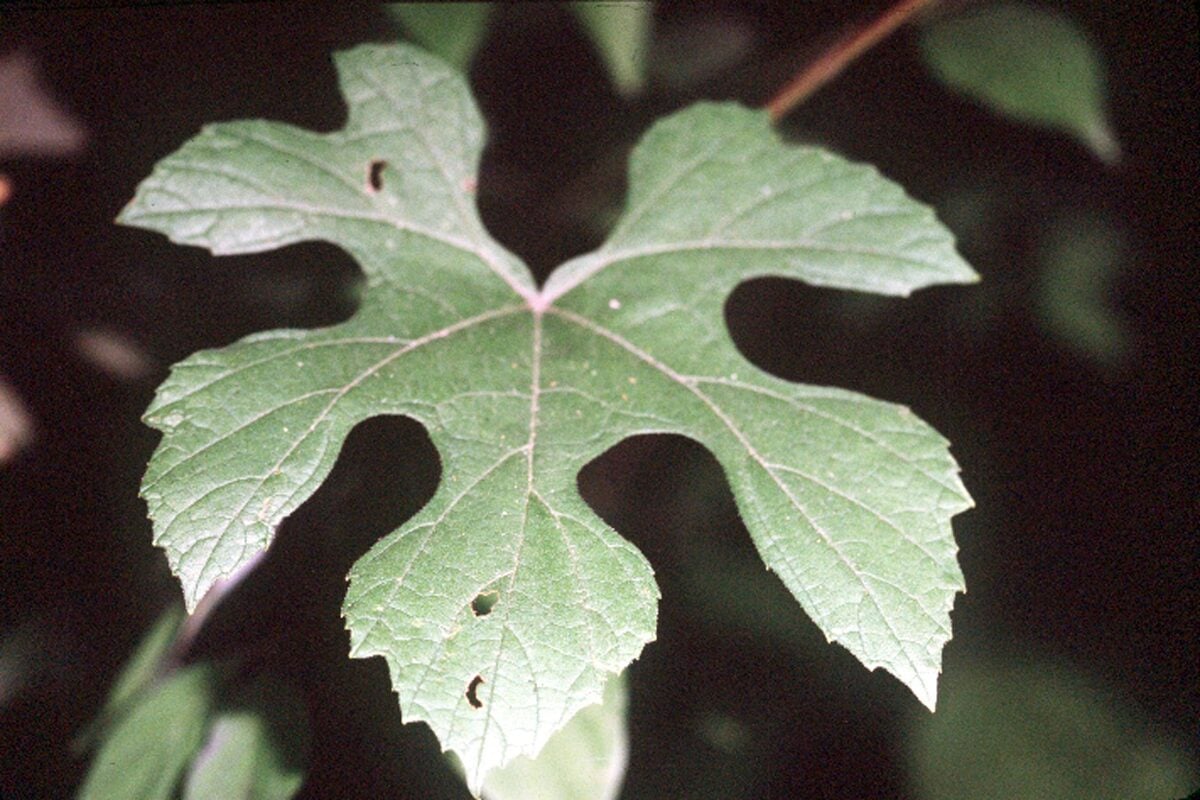
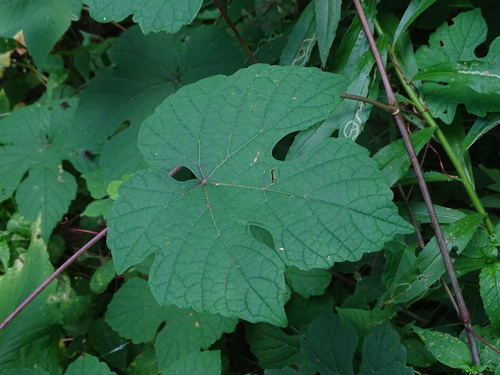
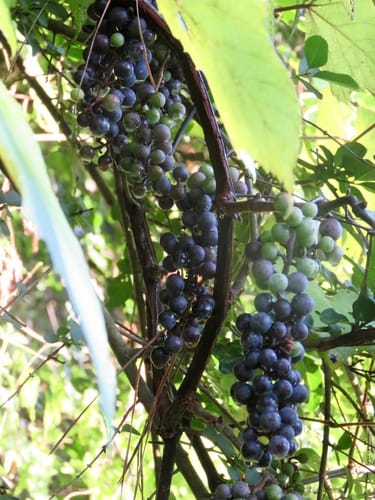
A climbing herb. It develops annual angular branches and with lines along them. The leaves are rounded or heart shaped. The fruit are small berries than occur in large bunches. They have a sharp and penetrating taste.
Edible Uses
The fruit and seeds are eaten.
Distribution
A tropical plant.
Where It Grows
Africa, Angola, Cameroon, Central Africa, Congo, East Africa, Ethiopia, Gabon, Nigeria, Sudan, Tanzania, Uganda, West Africa,
Notes
There are about 100 Ampelocissus species.
Synonyms
Also Known As
Esang-enyume, Imeno-itani, Miranu, Ntsyome
References (6)
- Asfaw, Z. and Tadesse, M., 2001, Prospects for Sustainable Use and Development of Wild Food Plants in Ethiopia. Economic Botany, Vol. 55, No. 1, pp. 47-62
- Bircher, A. G. & Bircher, W. H., 2000, Encyclopedia of Fruit Trees and Edible Flowering Plants in Egypt and the Subtropics. AUC Press. p 24 (Also as Ampelocissus cavicaulis)
- Burkill, H. M., 1985, The useful plants of west tropical Africa, Vol. 5. Kew. (As Ampelocissus cavicaulis)
- Jardin, C., 1970, List of Foods Used In Africa, FAO Nutrition Information Document Series No 2.p 119 (Also as Ampelocissus cavicaulis)
- Raponda-Walker, A & Sillans, R., 1961, Les Plantes Utiles du Gabon. Editions Paul Lechevalier, Paris. p 53 (As Ampelocissus cavicaulis)
Show all 6 references Hide references
- World Checklist of Useful Plant Species 2020. Royal Botanic Gardens, Kew