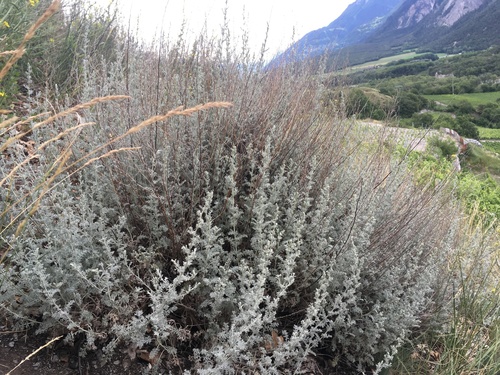
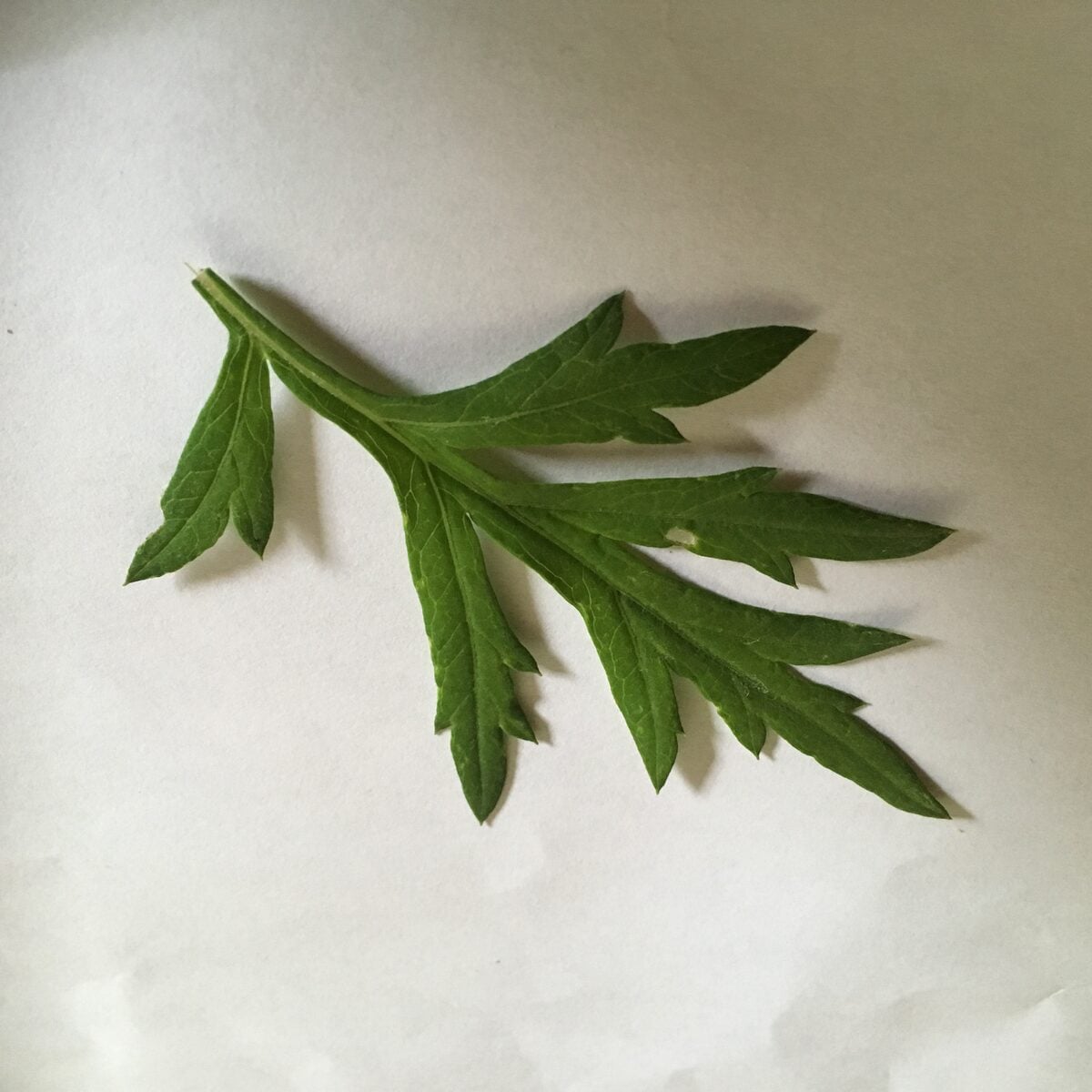
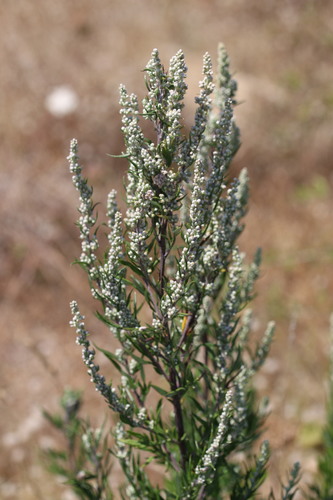
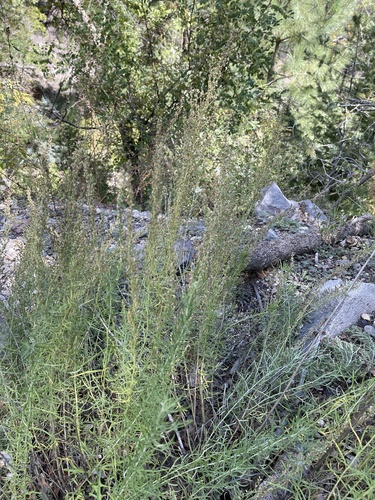
Tragopogon orientalis
L.
Kozija brada
iNaturalist· cc-by-nc-sa
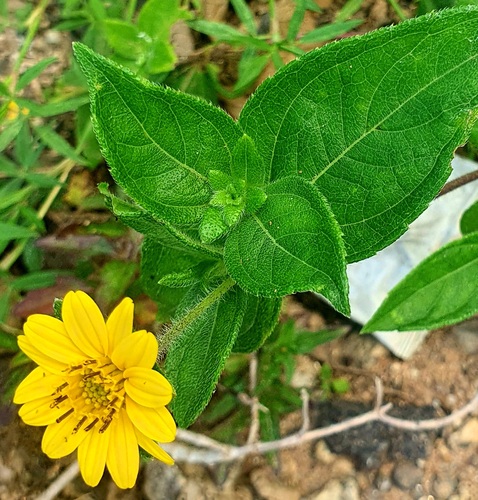
(c) Amadej Trnkoczy, some rights reserved (CC BY-NC-SA)
iNaturalist· cc-by-nc
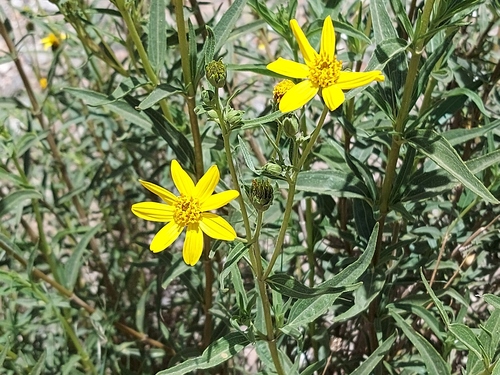
(c) luckychris, some rights reserved (CC BY-NC)
Summary
Source: WikipediaTragopogon orientalis, common name Oriental goat's beard, is a hemicryptophyte herbaceous annual plant in the family Asteraceae.
Description
An herb of the daisy family (Asteraceae) adapted to Mediterranean climates. The young leaves and tender stems are sweet and edible.
This description is brief — help expand it
Edible Uses
Young leaves are eaten in salads. The sweet stems are peeled and eaten raw. The stalks are sucked by children.
Traditional Uses
The young leaves are eaten in salads. The sweet stems are peeled and eaten.
This uses section is brief — help expand it
Distribution
It is a Mediterranean climate plant.
Where It Grows
Balkans, Bosnia, Central Asia, Europe, Hungary, Mongolia, Slovakia, Slovenia, Tajikistan, Turkey, Türkiye,
Other Information
The stalks are sucked by children.
Also Known As
Bakceka, Bakszaka, Koria brada
References (6)
- Cakir, E. A., 2017, Traditional knowledge of wild edible plants of Iğdır Province (East Anatolia, Turkey). Acta Soc Bot Pol. 2017;86(4):3568
- Cerne, M., 1992, Wild Plants from Slovenia used as Vegetables. Acta Horticulturae 318
- Denes, A., et al, 2012, Wild plants used for food by Hungarian ethnic groups living in the Carpathian Basin. Acta Societatis Botanicorum Poloniae 81 (4): 381-396
- Luczaj, L., 2012, Ethnobotanical review of wild edible plants of Slovakia. Acta Societatis Botanicorum Poloniae 81(4):245-255
- Redzic, S. J., 2006, Wild Edible Plants and their Traditional Use in the Human Nutrition in Bosnia-Herzegovina. Ecology of Food and Nutrition, 45:189-232
Show all 6 references Hide references
- Urgamal, M., Oyuntsetseg, B., Nyambayar, D. & Dulamsuren, Ch. 2014. Conspectus of the vascular plants of Mongolia. (Editors: Sanchir, Ch. & Jamsran, Ts.). Ulaanbaatar, Mongolia. “Admon“ Press. 334pp. (p. 199-230).