Artemisia vulgaris
L.
Mugwort, Artemisia shoot, Slender artemisia
wikimedia· cc-by-sa
Prahlad balaji (via Wikimedia Commons)
wikimedia· cc-by-sa
Wikimedia Commons (via Wikimedia Commons)
wikimedia· cc-by-sa
Prahlad balaji (via Wikimedia Commons)
iNaturalist· cc-by-nc
(c) Valentin Hamon, some rights reserved (CC BY-NC), uploaded by Valentin Hamon
iNaturalist· cc-by
(c) Jasper, some rights reserved (CC BY), uploaded by Jasper
iNaturalist· cc-by-nc
(c) Hank, some rights reserved (CC BY-NC), uploaded by Hank
Summary
Source: WikipediaArtemisia vulgaris, commonly known as mugwort, common mugwort, or wormwood, is a species of flowering plant in the daisy family Asteraceae. It is one of several species in the genus Artemisia commonly known as mugwort, although Artemisia vulgaris is the species most often called mugwort. Mugworts have been used medicinally and as culinary herbs.
Description
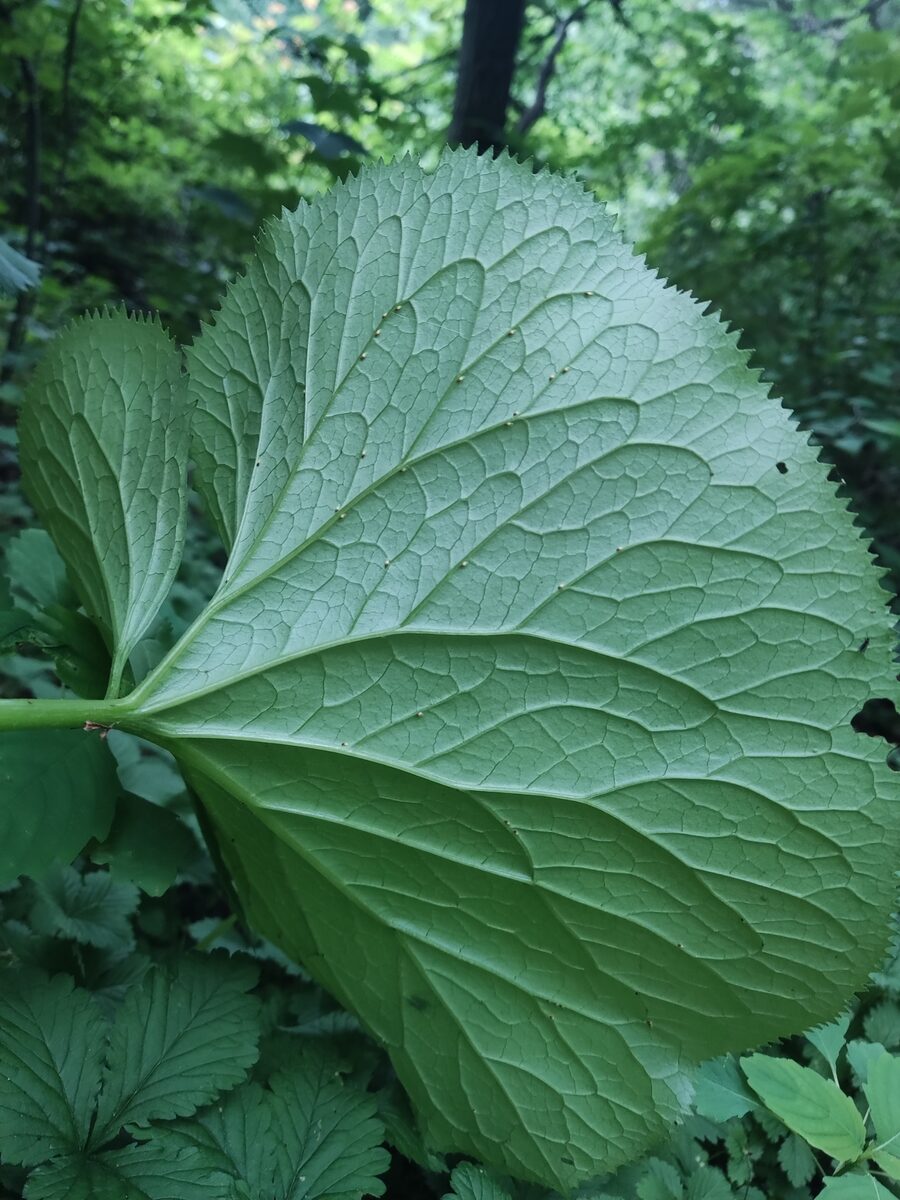
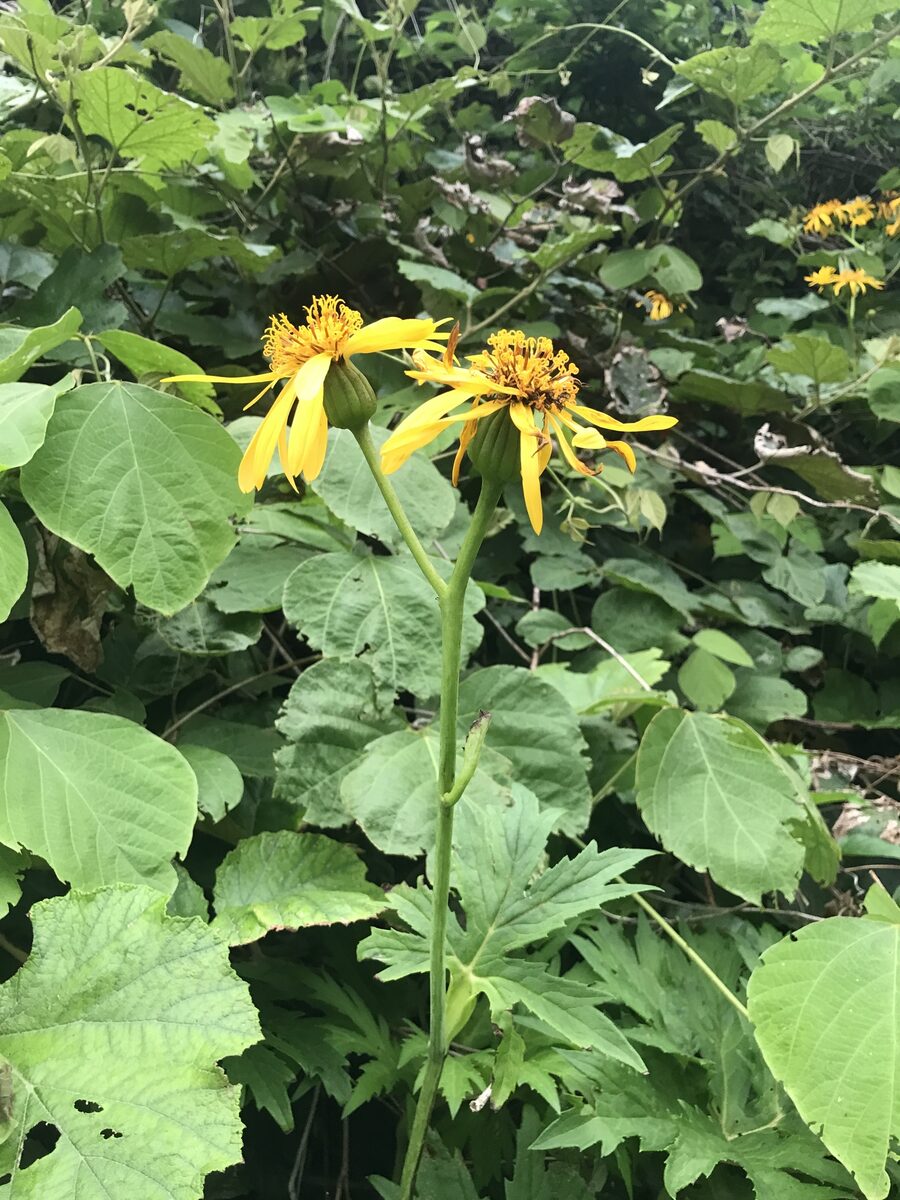
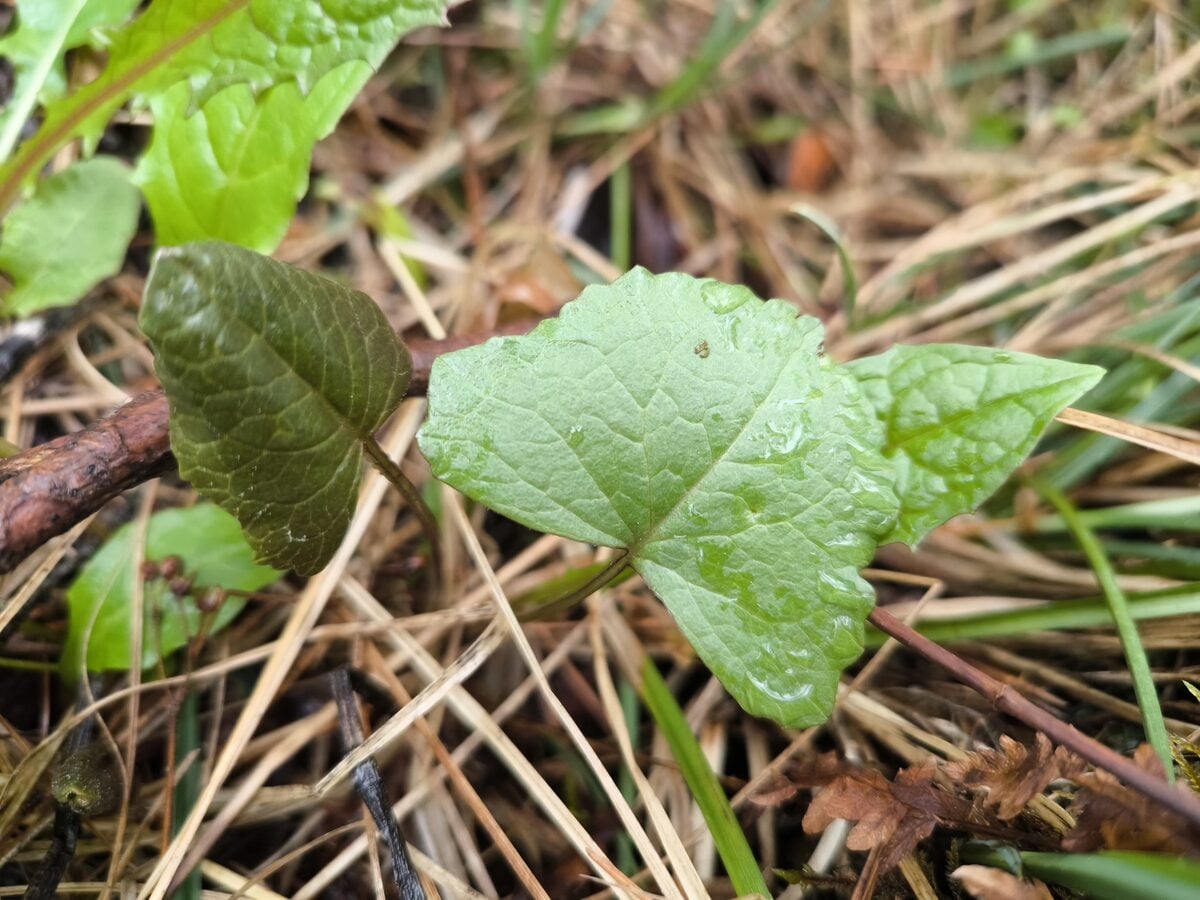
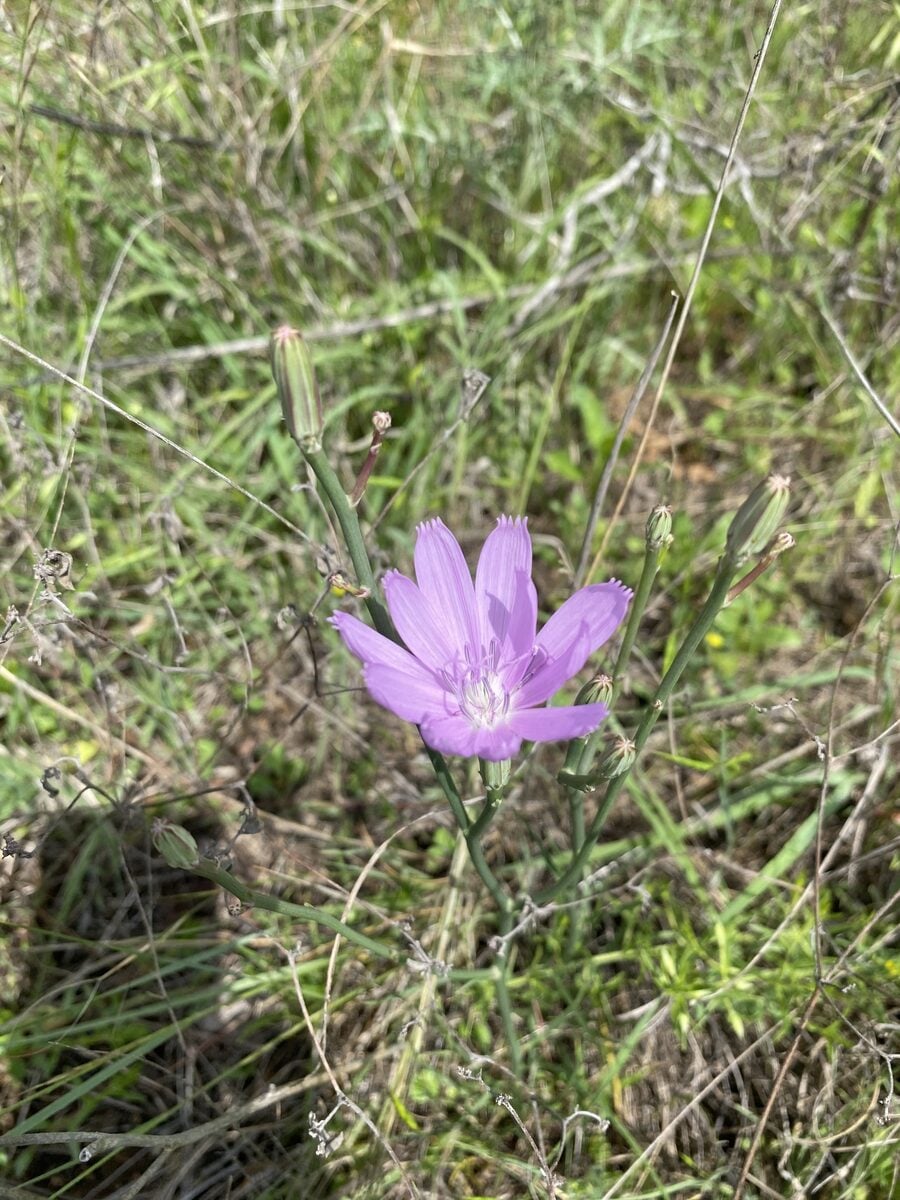
A shrub which continues to grow year after year. It grows to a height of 1.2 m and spreads to 1.5 m across. The underground root like structure is branched and has a nodular appearance. There are many stems. They are angular with grooves. The stems are red. The leaves are green. The lower leaves have short leaf stalks and teeth like sections. They are downy underneath the leaf. The upper leaves do not have leaf stalks but clasp the stem. The flowers can be greenish yellow or reddish brown. They occur in small oval heads.
Edible Uses
Edible Parts: Leaves Shoots Edible Uses: Colouring Condiment Leaves - raw or cooked. Aromatic and somewhat bitter. Their addition to the diet aids the digestion and so they are often used in small quantities as a flavouring, especially with fatty foods. They are also used to give colour and flavour to glutinous-rice dumplings (Mochi). The young shoots are used in spring. In Japan the young leaves are used as a potherb. The dried leaves and flowering tops are steeped into tea. They have also been used as a flavouring in beer, though fell into virtual disuse once hops came into favour.
Traditional Uses
It is used as a seasoning for roast meat, especially fatty poultry. It is also used to flavour soups. Mugwort was used to flavour beer before hops were introduced. The leaves are boiled and eaten as a potherb. They are also used to give flavour and colour to rice cakes. The dried leaves and tops are used to flavour beer or steeped into tea. The roots are cooked and eaten. The tender leafless shoots are gathered as they emerge and eaten as a delicacy.
Medicinal Uses
Anticonvulsant Antidepressant Antiemetic Antiseptic Antispasmodic Appetizer Carminative Cholagogue Diaphoretic Digestive Diuretic Emmenagogue Expectorant Foot care Haemostatic Nervine Purgative Stimulant Tonic Women's complaints Mugwort has a long history of use in herbal medicine especially in matters connected to the digestive system, menstrual complaints and the treatment of worms. It is slightly toxic, however, and should never be used by pregnant women, especially in their first trimester, since it can cause a miscarriage. Large, prolonged dosage can damage the nervous system. All parts of the plant are anthelmintic, antiseptic, antispasmodic, carminative, cholagogue, diaphoretic, digestive, emmenagogue, expectorant, nervine, purgative, stimulant, slightly tonic and used in the treatment of women's complaints. The leaves are also said to be appetizer, diuretic, haemostatic and stomachic. They can be used internally or externally. An infusion of the leaves and flowering tops is used in the treatment of nervous and spasmodic affections, sterility, functional bleeding of the uterus, dysmenorrhoea, asthma and diseases of the brain. The leaves have an antibacterial action, inhibiting the growth of Staphylococcus aureus, Bacillus typhi, B. dysenteriae, streptococci, E. coli, B. subtilis, Pseudomonas etc. The leaves are harvested in August and can be dried for later use. The stem is also said to be antirheumatic, antispasmodic, and stomachic. The roots are tonic and antispasmodic. They are said to be one of the best stomachics. They are harvested in the autumn and dried for later use. The leaves, placed inside the shoes, are said to be soothing for sore feet. The compressed dried leaves and stems are used in moxibustion. Another report says that the down from the leaves is used.
Known Hazards
Slightly toxic. Never use during pregnancy, especially first trimester, as it can cause miscarriage. Large, prolonged dosage damages nervous system.
Distribution
A temperate plant. It will grow on most soils. It will grow in poor soils. It will resist drought and frost. It grows on roadsides, slopes, canyons, forest margins, forest steppe, sub-alpine steppe between 100-3800 m altitude in China. It grows along the banks of streams. It suits hardiness zones 3-10.
Where It Grows
Afghanistan, Africa, Alaska, Albania, Algeria, Armenia, Asia, Australia, Balkans, Belarus, Bosnia, Brazil, Britain, Bulgaria, Canada, Caucasus, Central America, Central Asia, China, Colombia, Costa Rica, Cuba, Czech Republic, Denmark, Europe*, Fiji, Finland, France, Georgia, Germany, Greece, Greenland, Guatemala, Haiti, Hawaii, Himalayas, Honduras, Hungary, India, Indochina, Indonesia, Iran, Iraq, Ireland, Italy, Japan, Kazakhstan, Korea, Kyrgyzstan, Laos, Libya, Lithuania, Luxembourg, Macedonia, Malaysia, Maldives, Marianas, Mediterranean, Mexico, Middle East, Mongolia, Myanmar, Nepal, Netherlands, North Africa, North America, Northeastern India, Norway, Pacific, Pakistan, Philippines, Poland, Portugal, Romania, Russia, Scandinavia, SE Asia, Siberia, Sikkim, Slovenia, South Africa, South America, Spain, Sweden, Switzerland, Tajikistan, Tasmania, Thailand, Tibet, Tunisia, Turkey, Türkiye, SW Asia, Ukraine, USA, Uzbekistan, Vietnam, West Indies, Yugoslavia,
Cultivation
Easily grown in a well-drained circumneutral or slightly alkaline loamy soil, preferring a sunny position and a moist soil. Plants are longer lived, more hardy and more aromatic when they are grown in a poor dry soil. Tolerates a pH in the range 4.8 to 8.2. Established plants are drought-tolerant. Mugwort is an aggressive and invasive plant, it inhibits the growth of nearby plants by means of root secretions. The sub-species A. vulgaris parviflora. Maxim. is the form that is eaten in China. There are some named varieties. 'White' is a taller plant than the type species, growing to 1.5 metres. It has a strong, rather resinous or "floral" taste similar to chrysanthemum leaves and is used in soups or fried as a side dish. Members of this genus are rarely if ever troubled by browsing deer. The aerial parts can be harvested in summer when they are in full bloom, while roots can be harvested in autumn. Artemisia typically flowers in summer. Artemisia species can vary in growth rate, but many are moderately fast-growing, reaching maturity within 1-2 years under optimal conditions.
Propagation
Seed - surface sow from late winter to early summer in a greenhouse and do not allow the compost to dry out. When large enough to handle, prick out the seedlings into individual pots. If growth is sufficient, they can be planted out into their permanent positions in the summer, otherwise grow them on in a cold frame for their first winter and then plant them out in the spring. Division in spring or autumn. Basal cuttings in late spring. Harvest the young shoots when about 10 - 15cm long, pot up in a lightly shaded position in a greenhouse or cold frame and plant them out when well rooted. Very easy.
Other Uses
Insecticide Repellent Tinder Agroforestry uses: Artemisia species are often used for soil improvement, as ground cover, and in companion planting due to their pest-repellent properties. Some species are also used for erosion control. The fresh or the dried plant repels insects, it can be used as a spray but caution is advised since it can also inhibit plant growth. A weak tea made from the infused plant is a good all-purpose insecticide. An essential oil from the plant kills insect larvae. The down on the leaves makes a good tinder for starting fires. A number of species of Lepidoptera (butterflies and moths) feed on the leaves and flowers. 1. Nectary - Flowers rich in nectar and pollen: Yes – Artemisia species produce flowers that can provide nectar and pollen, attracting various pollinators, including bees. 2. Wildlife - Food (Fruit, Seeds, Leaf litter, Shelter, Nesting, Roosting): Yes – The leaves of some Artemisia species are consumed by various insects and herbivores. Additionally, the plant can provide cover for small wildlife. 3. Invertebrate Shelter (Overwintering sites, Leaf litter, Groundcover): Yes – The dense foliage can offer shelter and overwintering sites for beneficial insects, and the leaf litter can provide habitat for various invertebrates. 4. Pest Confuser (Smell): Yes – Many Artemisia species are aromatic and can confuse or repel pests due to their strong scent, which may deter some insects. Special Uses Dynamic accumulator
Production
The tips of the young plants are harvested before the flower buds open. (It becomes bitter after this.) Leaves can be dried.
Other Information
It is sold in local markets.
Notes
There are about 300 Artemisia species.
Nutrition
| Part | Moisture | kJ | kcal | Protein | Vit A | Vit C | Iron | Zinc |
|---|---|---|---|---|---|---|---|---|
| Leaves - flavour | 87.3 | 146 | 35 | 5.2 | — | — | 1.5 | — |
Synonyms
Also Known As
Arbaaka, Burot, Chinese moxa, Darmong maria, Davanamu, Dayona, Dhordavana, Divlji pelin, Fellon-herb, Felon herb, Jortk'uda, Kietis, Koadchula, Laibakngou, Machipatri, Me-di-dok, Metlika, Mulssuk, Nagadamani, Nagdona, Nagodoyana, Navadni pelin, Ngaai, Ngai cuu, Oshindr, Pelynek cemobyl, Sagebrush, Thit-nan-gaing, Tinisas, Titepati, Yomogi
References (58)
- Ambasta S.P. (Ed.), 2000, The Useful Plants of India. CSIR India. p 56
- Bircher, A. G. & Bircher, W. H., 2000, Encyclopedia of Fruit Trees and Edible Flowering Plants in Egypt and the Subtropics. AUC Press. p 42
- Bodkin, F., 1991, Encyclopedia Botanica. Cornstalk publishing, p 105
- Bremness, L., 1994, Herbs. Collins Eyewitness Handbooks. Harper Collins. p 151
- Brouk, B., 1975, Plants Consumed by Man. Academic Press, London. p 312
Show all 58 references Hide references
- Brown, D., 2002, The Royal Horticultural Society encyclopedia of Herbs and their uses. DK Books. p 133
- Bussman, R. W., et al, 2021, Unity in diversity—food plants and fungi of Sakartvelo (Republic of Georgia), Caucasus. Journal of Ethnobiology and Ethnomedicine (2021) 17:72 p 6
- Cerne, M., 1992, Wild Plants from Slovenia used as Vegetables. Acta Horticulturae 318
- Crate, S. A., 2008, "Eating Hay": The Ecology, Economy and Culture of Viliui Sakha Smallholders of Northeastern Siberia. Human Ecology 36:161-174
- Cundall, P., (ed.), 2004, Gardening Australia: flora: the gardener's bible. ABC Books. p 191
- Esperanca, M. J., 1988. Surviving in the wild. A glance at the wild plants and their uses. Vol. 1. p 272
- Facciola, S., 1998, Cornucopia 2: a Source Book of Edible Plants. Kampong Publications, p 34
- Fan, L., et al, The Use of Edible Wild Plants and Fungi in Korean-Chinese Villages. Journal of Environmental Information Science 44-5 p 71-79 (As Artemisia selengensis)
- Food Composition Tables for use in East Asia FAO http://www.fao.org/infoods/directory No. 805
- Girard, N. J., 2020, Sustainable Foraging of Wild Edible Plants in Norway. A Biocultural Approach. M. Sc. thesis Norwegian University. p 128
- Hedrick, U.P., 1919, (Ed.), Sturtevant's edible plants of the world. p 75
- Hibbert, M., 2002, The Aussie Plant Finder 2002, Florilegium. p 33
- http://nordicfood lab/org/blog/2102/9/wild-edible-plants-an-overview
- Hu, Shiu-ying, 2005, Food Plants of China. The Chinese University Press. p 719 (As Artemisia selengensis)
- Irving, M., 2009, The Forager Handbook, A Guide to the Edible Plants of Britain. Ebury Press p 140
- Jiwajinda, S., et al, 2002, Suppressive Effects of Edible Thai Plants on Superoxide and Nitric Oxide Generation. Asian Pacific Journal of Cancer Prevention, Vol 3, 2002
- Kew Plants of the World Online
- Kiple, K.F. & Ornelas, K.C., (eds), 2000, The Cambridge World History of Food. CUP p 433, 1817
- Kybal, J., 1980, Herbs and Spices, A Hamlyn Colour Guide, Hamlyn Sydney p 50
- Lim, T. K., Edible Medicinal and Non-Medicinal Plants Volume 7 Flowers
- Ling Yuou-ruen & C. J. Humphries, ASTERACEAE (Draft), Tribe ANTHEMIDEAE Cassini, in Flora of China
- MacKinnon, A., et al, 2009, Edible & Medicinal Plants of Canada. Lone Pine. p 370
- Martin, F.W. & Ruberte, R.M., 1979, Edible Leaves of the Tropics. Antillian College Press, Mayaguez, Puerto Rico. p 105, 184
- Nanagulyan, S., et al, 2020, Wild plants and fungi sold in the markets of Yerevan (Armenia). Journal of Ethnobiology and Ethnomedicine 16:26
- Pemberton, R. W. & Lee, N. S., 1996, Wild Food Plants in South Korea: Market Presence, New Crops, and Exports to the United States. Economic Botany, Vol. 50, No. 1, pp. 57-70 (As Artemisia selengensis)
- Plants for a Future database, The Field, Penpol, Lostwithiel, Cornwall, PL22 0NG, UK. http://www.scs.leeds.ac.uk/pfaf/
- Plants of Haiti Smithsonian Institute http://botany.si.edu
- Prakofjewa, J., et al, 2023, Boundaries Are Blurred: Wild Food Plant Knowledge Circulation across the Polish-Lithuanian-Belarusian Borderland. Biology 2023, 12, 571.
- PROSEA handbook Volume 13 Spices. p 274
- Redzic, S. J., 2006, Wild Edible Plants and their Traditional Use in the Human Nutrition in Bosnia-Herzegovina. Ecology of Food and Nutrition, 45:189-232
- Redzic, S., 2010, Use of Wild and Semi-Wild Edible Plants in Nutrition and Survival of People in 1430 Days of Siege of Sarajevo during the War in Bosnia and Herzegovina (1992–1995). Coll. Antropol 34 (2010) 2:551-570
- S.C.A.P.;
- Seidemann J., 2005, World Spice Plants. Economic Usage, Botany, Taxonomy. Springer. p 57
- Simkova, K. et al, 2014, Ethnobotanical review of wild edible plants used in the Czech Republic. Journal of Applied Botany and Food Quality 88, 49-67
- Singh, P.K., Singh, N.I., and Singh, L.J., 1988, Ethnobotanical Studies on Wild Edible Plants in the Markets of Manipur - 2. J. Econ. Tax. Bot. Vol. 12 No. 1 pp 113-119
- Soukand, R., et al, 2017, Multi-functionality of the few: current and past uses of wild plants for food and healing in Liubań region, Belarus. Journal of Ethnobiology and Ethnomedicine (2017) 13:10
- Sp. pl. 2:848. 1753
- Staples, G.W. and Herbst, D.R., 2005, A tropical Garden Flora. Bishop Museum Press, Honolulu, Hawaii. p 154
- Stern, G., 1986, Australian Weeds. A Source of Food and Medicine. Harper & Row. p 133
- Sukarya, D. G., (Ed.) 2013, 3,500 Plant Species of the Botanic Gardens of Indonesia. LIPI p 1065
- Terra, G.J.A., 1973, Tropical Vegetables. Communication 54e Royal Tropical Institute, Amsterdam, p 25
- Tozer, F., 2007, The Uses of Wild Plants. Green Man Publishing. p 38
- Trendafilova, A., et al, 2020, Research Advances on Health Effects of Edible Artemisia Species and Some Sesquiterpene Lactones Constituents. Foods 2021, 10, 65. p 5
- Tronickova, E. & Krejcova, Z., 1987, Ortaggi, Instituto Geografico de Agostini, Cecoslovacchia. p 192
- UPHOF
- Urgamal, M., Oyuntsetseg, B., Nyambayar, D. & Dulamsuren, Ch. 2014. Conspectus of the vascular plants of Mongolia. (Editors: Sanchir, Ch. & Jamsran, Ts.). Ulaanbaatar, Mongolia. “Admon“ Press. 334pp. (p. 199-230).
- Van Sam, H. et al, 2008, Uses and Conservation of Plant Species in a National Park. A case study of Ben En, Vietnam. Economic Botany 62:574-593
- Wiersema, J. H. & Leon, B., 2013, World Economic Plants. A Standard Reference CRC Press. 2nd Ed. p 73
- Wilson, S., 1997, Some Plants are Poisonous. Reed. p 24
- World Checklist of Useful Plant Species 2020. Royal Botanic Gardens, Kew
- Wujisguleng, W., & Khasbagen. K., 2010, An integrated assessment of wild vegetable resources in Inner Mongolian Autonomous Region, China. Journal of Ethnobiology and Ethnomedicine 6:34 (As Artemisia selengensis)
- www.wildediblefood.com
- Young, J., (Ed.), 2001, Botanica's Pocket Trees and Shrubs. Random House. p 107