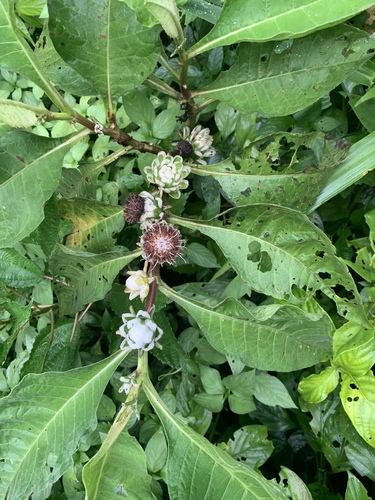
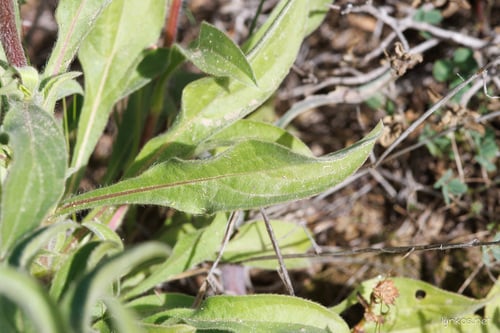
Aspilia africana
(Pers.) C. D. Adams
iNaturalist· cc-by
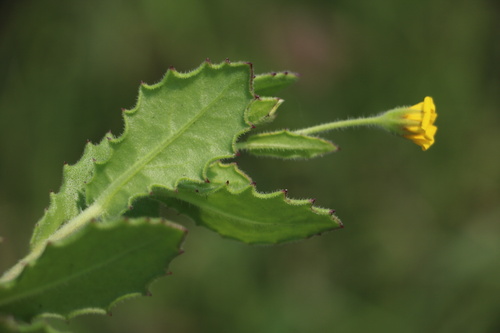
(c) Agnes, some rights reserved (CC BY), uploaded by Agnes
iNaturalist· cc-by-nc
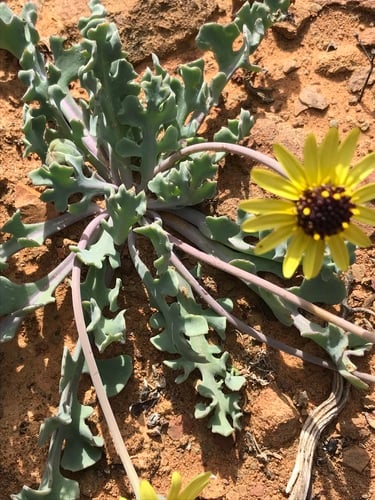
(c) Carel Jongkind, some rights reserved (CC BY-NC), uploaded by Carel Jongkind
iNaturalist· cc-by-nc
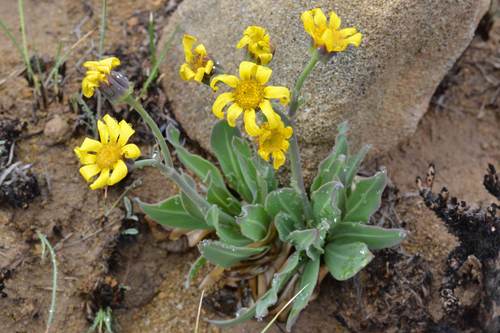
(c) Erik Simons, some rights reserved (CC BY-NC)
Summary
Source: WikipediaAspilia africana, also known as the haemorrhage plant or wild sunflower, is one of about 50 species of the genus Aspilia.
Description
An annual herb of the daisy family found in tropical savannah woodland across Africa.
This description is brief — help expand it
Edible Uses
The leaves are eaten.
Medicinal Uses
Aspilia africana has been classified as a low toxicity plant and has been used in traditional African medicine to treat wounds. Its leaves are taken as an infusion by women after childbirth. There is no scientific evidence that it has any medicinal properties.
Distribution
It is a tropical plant. It grows in savannah woodland.
Where It Grows
Africa, Benin, Burkina Faso, Guinea, Guinée, Guinea-Bissau, West Africa,
Cultivation
The plant is often a weed of cultivated land and fallows within its native range. The plant has a high crude protein content. A very polymorphic plant, with at least four varieties recognized in Africa.
Synonyms
References (3)
- Achigan-Dako, E, et al (Eds), 2009, Catalogue of Traditional Vegetables in Benin. International Foundation for Science.
- Dansi, A., et al, 2008, Traditional leafy vegetables and their use in the Benin Republic. Genet Resour Crop Evol (2008) 55:1239–1256
- Dansi, A., et al, 2009, Traditional leafy vegetables in Benin: folk nomenclature, species under threat and domestication. Acta Bot. Gallica 156(2), 183-199