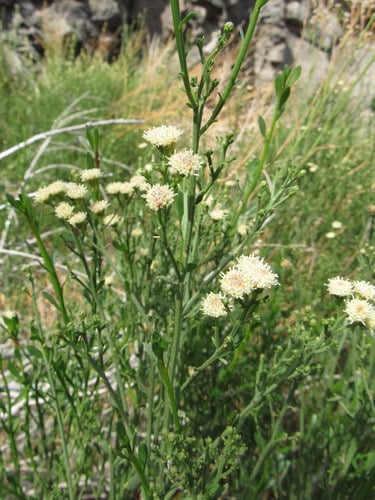
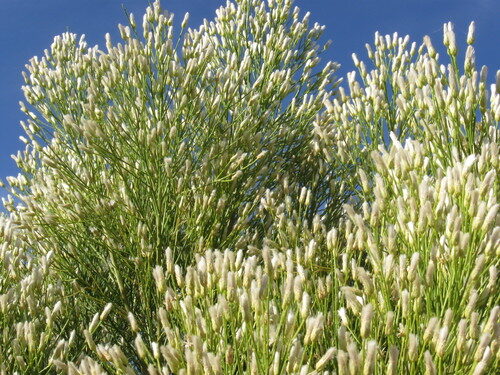
Artemisia vulgaris var. parviflora
L.; Maxim.
iNaturalist· cc-by-nc
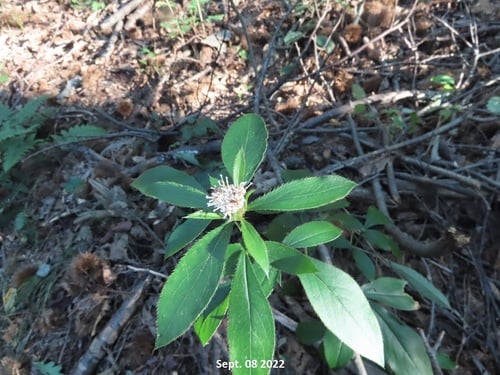
(c) Valentin Hamon, some rights reserved (CC BY-NC), uploaded by Valentin Hamon
iNaturalist· cc-by
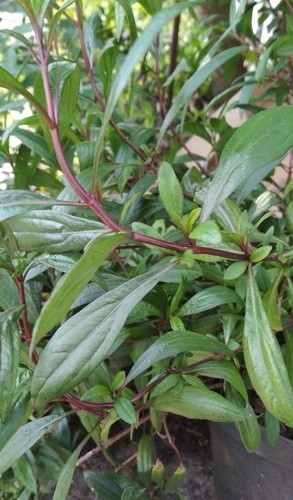
(c) Jasper, some rights reserved (CC BY), uploaded by Jasper
iNaturalist· cc-by-nc
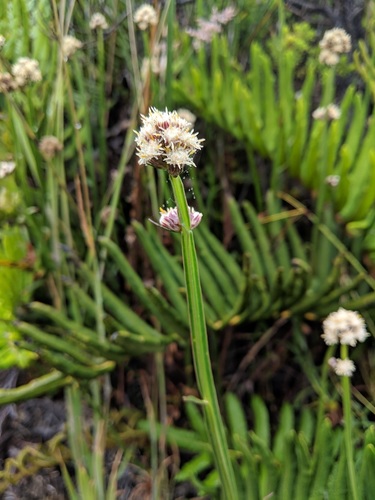
(c) Hank, some rights reserved (CC BY-NC), uploaded by Hank
Summary
Source: WikipediaArtemisia vulgaris, commonly known as mugwort, common mugwort, or wormwood, is a species of flowering plant in the daisy family Asteraceae. It is one of several species in the genus Artemisia commonly known as mugwort, although Artemisia vulgaris is the species most often called mugwort. Mugworts have been used medicinally and as culinary herbs.
Description
A herb.
This description is brief — help expand it
Edible Uses
In the Middle Ages, mugwort was called Cingulum Sancti Johannis, as it was believed that the 1st century preacher John the Baptist wore a girdle made from the plant. According to Grieve, mugwort was believed to protect travellers from exhaustion, heatstroke, and wild animals; it was worn on St. John's Eve to gain security from evil spirits. Before the introduction of hops in the beer-making process, A. vulgaris was once commonly used in England as the flavouring agent. Dried mugwort flowers were added to malt liquor, and this was added to the beer. Mugwort has been used as one of the traditional flavouring and bittering agents of gruit ales, a type of unhopped, fermented grain beverage. In Vietnam as well as in Germany, mugwort is used in cooking as an aromatic herb. In China, the crunchy stalks of young shoots of A. vulgaris are a seasonal vegetable often used in stir fries. In Nepal, the plant is used as an offering to the gods, for cleansing the environment (by sweeping floors or hanging a bundle outside the home), as incense, and also as a medicinal plant. The dried leaves can be smoked or used to make a tea, to promote lucid dreaming. This supposed oneirogenic effect is reported to be due to the thujone contained in the plant.
Traditional Uses
The leaves are eaten with oil and salt.
This uses section is brief — help expand it
Medicinal Uses
Historically, A. vulgaris was referred to as the "mother of herbs" during the Middle Ages, and has been widely used in the traditional Chinese, European, and Hindu medicine. It supposedly possesses a wide range of pharmacological uses, including anticancer, anti-inflammatory, antioxidant, hepatoprotective, antispasmolytic, antinociceptive, antibacterial, antihypertensive, antihyperlipidemic, and antifungal properties.
Distribution
It is a temperate plant.
Where It Grows
Asia, China,
Notes
There are about 300 Artemisia species.
References (1)
- READ