Coccinia barteri
(Hook. f.) Keay
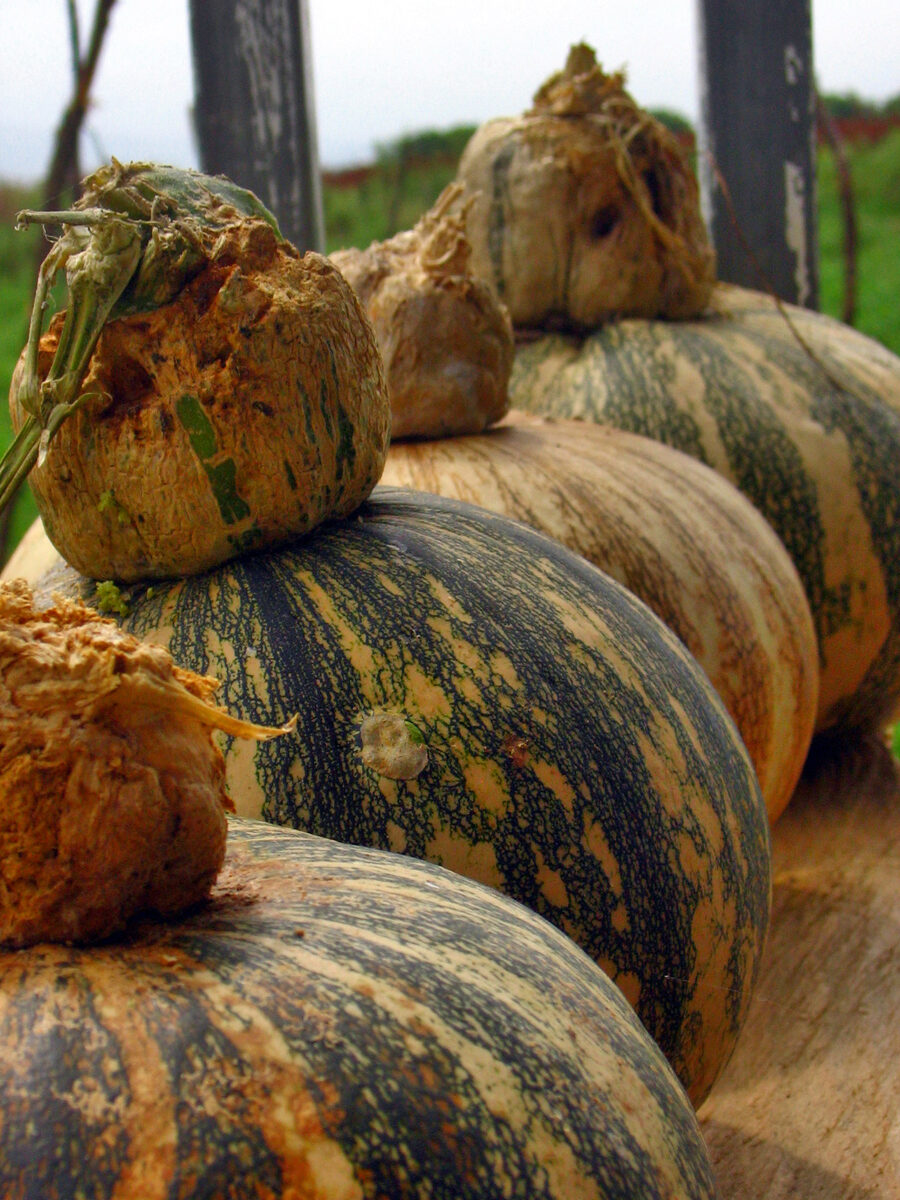
iNaturalist· cc-by
(c) timharris, some rights reserved (CC BY), uploaded by timharris
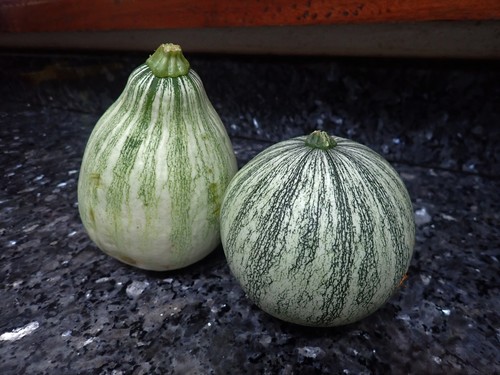
iNaturalist· cc-by-nc
(c) Umar Musa, some rights reserved (CC BY-NC)
Description
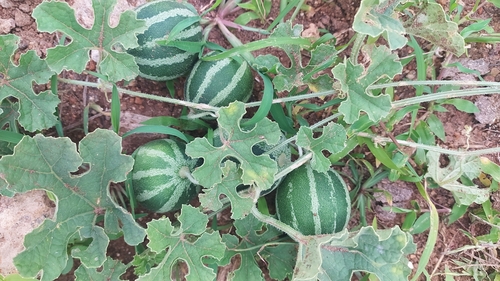
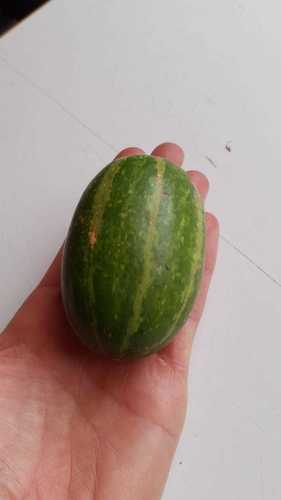
A climbing or trailing herb. The stems lie along the ground and can be 15 m long. The stems are slender. The leaf blade is 8-16 cm long by 5-20 cm wide. The leaves vary. They may not have lobes or can have 3-5 lobes arranged like fingers on a hand. They are leathery and have widely spaced teeth along the edge. There are tendrils. Plants are separately male and female. The male flowers are stout and there are 3-25 in a group. The female flowers are more dense and with 2-12 flowers. They are yellow to orange. The fruit is oval and 4 cm long by 3 cm wide. They are smooth and red. They are usually in clusters.
Edible Uses
The genus Coccinia is best known for C. grandis, commonly known as "ivy gourd". Its fruits can be eaten raw when ripe or cooked when unripe. In the latter case, it is used in curries. Young leaves and shoots are also edible. All used plants are a good source of carotenoids. The tuber of Coccinia abyssinica is cooked and a source of starch for the Oromo people in Ethiopia. Local culinary uses also exist. However, many species and also populations within species can be bitter due to cucurbitacins. Coccinia grandis is also well known in ayurvedic medicine for diabetes treatment, and modern research seems to confirm that it might be of value in that application.
Distribution
It is a tropical plant. It grows in coastal rain-forest and swamp forest between 700-1,050 m above sea level.
Where It Grows
Africa, Angola, Botswana, Central Africa, Central African Republic, CAR, East Africa, Mozambique, Sao Tome and Principe, Senegal, Southern Africa, Sudan, Tanzania, West Africa, Zambia, Zimbabwe,
Synonyms
Also Known As
Kgaba, Mmadikgonyana
References (1)
- Flyman, M. V. & Afolayan, A. J., 2006, A Survey of plants used as wild vegetables in four districts of Botswana. Ecology of Food and Nutrition, 45:405-415