Epiphyllum oxypetalum
(de Candolle) Haworth
Dutchman's pipe cactus, Queen of the night
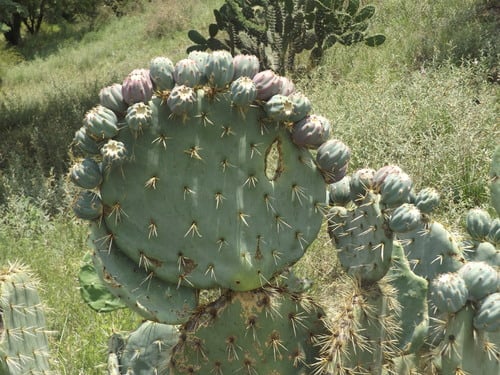
iNaturalist· cc0
no rights reserved, uploaded by 葉子
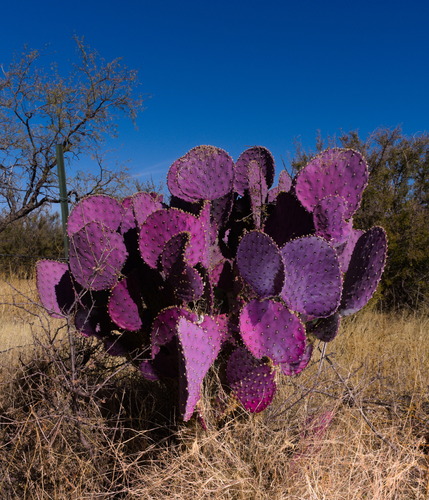
iNaturalist· cc-by-nc
(c) amilcarfloresnasser, some rights reserved (CC BY-NC)
iNaturalist· cc-by-nc
(c) nallely martinez, some rights reserved (CC BY-NC), uploaded by nallely martinez
Summary
Source: WikipediaEpiphyllum oxypetalum, the Dutchman's pipe cactus, princess of the night or queen of the night, is a species of cactus with a native range from Mexico to Nicaragua. It blooms nocturnally, and its flowers wilt before dawn. Though it is sometimes referred to as a night-blooming cereus, it is not closely related to any of the species in the tribe Cereeae that are more commonly known by that name. All Cereus species bloom at night and are terrestrial plants; Epiphyllum species are usually epiphytic.
Description
An evergreen succulent plant. It grows 2 m high. The stems are cylinder shaped. The branches are flat and notched. They are 15-40 cm long by 5-6 cm wide. They are wavy along the edge. It does not have spines. It does not have leaves. The flowers are white and like a water-lily flower. They come out at night.
Edible Uses
The flower is rich in mucilage. It is often eaten in a vegetable soup. The purplish red, oblong fruits are edible but rarely produced, They can be up to 16cm long and 5.7cm wide.
Traditional Uses
The flower is dried and eaten in a vegetable soup.
This uses section is brief — help expand it
Medicinal Uses
It is a common practice in Guatemala to bind the tough, wide stems of the various Epiphyllum species around fractures. They act as efficient bandages, hold the broken parts in place, and are popularly believed to aid in healing them. Epiphyllum oxypetalum is used in homeopathy and is also recommended as a treatment for urinary tract infections, for heart conditions such as the crushing pain of angina and for spasmodic pain and haemorrhage. In folk medicine, the plant has been used to treat the spitting up of blood sputum and heavy or painful menstrual periods. The juice of the plant has been used as a treatment for bladder infections, shortness of breath and water retention. Applied externally, it has been used as a treatment for rheumatism. It is also assumed to be an aphrodisiac. The main essential oils in the flowers are benzyl salicylate and methyl linoleate. The leaves contain saponins, phenolic compounds, steroids, glycosides, tannins, terpenoids and resins, while reducing sugars, alkaloids, flavonoids, sterols, phlobatanins and acidic compounds were absent. The leaves were found to have 14 mg/g protein, 4.6 mg/g lipids and 0.19 mg/g niacin dry basis. Both acetone and petroleum ether leaf extracts have shown inhibitory activity against Escherichia coli and Staphylococcus aureus; the acetone extract was also active against Klebsiella pneumonia, while the petroleum ether leaf extract was active against Bacillus subtilis. All the leaf extracts were found to be ineffective against fungi (Aspergillus niger, Aspergillus terreus, Aspergillus oryzae and Rhizopus oryzae) tested. Epiphyllum oxypetalum extract was found to have a moisturizing effect on the skin. The extract increased ATP content, cell propagating activity and the yield of natural moisturizing factor in the epidermal cells.
Distribution
It is a tropical plant. It grows in evergreenforests in central America between 75-2,000 m above sea level. In China it grows between 1,000-1,200 m altitude in Yunnan. It suits light, sandy, well-drained soils. It is grown in an open, sunny position. It is resistant to drought but damaged by frost.
Where It Grows
Asia, Australia, Brazil, Central America*, China, Costa Rica, El Salvador, Guatemala, Honduras, Indochina, Indonesia, Maldives, Mexico*, Nicaragua, North America, SE Asia, South America, Venezuela, Vietnam,
Cultivation
Plants can be grown by seeds or offsets. Seeds germinate best at a temperature of 20°C and good light conditions.
Propagation
Seed - The plant is easily propagated from the leaflike stem cuttings.
Synonyms
Also Known As
Kaktus ratu malam, Quynhhoa, Tan hua, Thandhiraiymaa
References (8)
- Bodkin, F., 1991, Encyclopedia Botanica. Cornstalk publishing, p 383
- Flora of China. www.eFloras.org
- Hu, Shiu-ying, 2005, Food Plants of China. The Chinese University Press. p 567
- Liu, Yi-tao, & Long, Chun-Lin, 2002, Studies on Edible Flowers Consumed by Ethnic Groups in Yunnan. Acta Botanica Yunnanica. 24(1):41-56
- Sujanapal, P., & Sankaran, K. V., 2016, Common Plants of Maldives. FAO & Kerala FRI, p 120
Show all 8 references Hide references
- Sukarya, D. G., (Ed.) 2013, 3,500 Plant Species of the Botanic Gardens of Indonesia. LIPI p 1015
- Wiersema, J. H. & Leon, B., 2013, World Economic Plants. A Standard Reference CRC Press. 2nd Ed. p 275
- World Checklist of Useful Plant Species 2020. Royal Botanic Gardens, Kew