Stenocereus thurberi
(Engelm.) Buxb.
Organ pipe cactus
iNaturalist· cc-by-nc
(c) Ad Konings, some rights reserved (CC BY-NC), uploaded by Ad Konings
iNaturalist· cc-by-nc
(c) zahinglez, some rights reserved (CC BY-NC)
Summary
Source: WikipediaStenocereus thurberi, the organ pipe cactus, is a species of cactus native to Mexico and the United States. The species is found in rocky desert. Two subspecies are recognized based on their distribution and height. The Organ Pipe Cactus National Monument is named for the species. Cacti are minimally adapted to particular thermal niches, and are tremendously vulnerable to seasonal precipitation.
Description
A branched columnar cactus. It is greyish-green. The stems have red spines. The stems can be 2-3 m tall and 12 cm across. They form a cluster from the base. There are 12-17 prominent ribs. The spine spots are 1-2 cm apart. There are 7-9 spines which radiate out and are 1 cm long. And there are 1-3 central spines which are 2-5 cm long. The flowers are pink and 7 cm across. The fruit are edible. The fruit are 4 cm long. They lose their spines when ripe They are red outside and red or yellow inside
Edible Uses
The fruit are eaten fresh with skin and all, or dried and stored as sweets. The pulp is boiled and used like jam, while fruit can also be made into wines or syrups. The seeds are parched, dried, and ground into meal for cakes. The flower petals are also eaten.
Traditional Uses
The fruit are eaten. They are also dried and stored and eaten as sweets. The pulp is boiled and used like jam. The seeds are parched and stored and used to make meal cakes. The seeds are dried and ground into a meal. The fruit are eaten fresh, skin and all. They are also dried or made into wines or syrups. The petals are also eaten.
Medicinal Uses
Stem sections, from which the spines have been removed, are heated in hot coals and used as a poultice to relieve rheumatism and general aches and pains.
Distribution
It is a subtropical plant. It needs bright sunlight. Mature plants can tolerate heavy frosts with only tip damage. Seedlings are damaged by frost. Plants need temperatures above 10°C to grow. It grows in arid and semiarid zones in the Sonoran Desert. It can grow in arid places. It suits hardiness zones 9-10.
Where It Grows
Australia, Central America, Mexico, North America, USA,
Cultivation
Plants are grown from seeds or cuttings. It can be cultivated as a hedge.
Propagation
Seed - Cuttings
Other Uses
The cortex of the stem has been used as a material for caulking boats. Underneath the bark there is a narrow layer of a green and very juicy pulp, and within that is a woody tube full of whitish pith which, when dry, burns well and is used for torches for giving light. The dried stems are often used for fuel. The woody stem ribs have served for traditional house construction and fences, utensils, and many other utilitarian purposes. Frequently planted in Mexico as a living, stock-proof fence along roadsides and around gardens.
Other Information
It is an important staple food.
Synonyms
Also Known As
Arizona organ pipe, Mehuele, Organo marismena, Pitahaya dulce, Pitaya dulce, Pitayo dulce, Sweet pitaya, Xoconochtli
References (21)
- Anderson, E.F., 2001, The Cactus Family, Timber Press. p 55, 648
- Andersohn, G., 1983, Cacti and Succulents. EP Publishing. p 68 (As Lemaireocereus thurberi)
- Anderson, M., 2002, The World Encyclopedia of Cacti and Succulents. Hermes House, New York. p 110
- Bot. Stud. 12:101. 1961
- Cundall, P., (ed.), 2004, Gardening Australia: flora: the gardener's bible. ABC Books. p 1371
Show all 21 references Hide references
- Facciola, S., 1998, Cornucopia 2: a Source Book of Edible Plants. Kampong Publications, p 64 (As Lemaireocereus thurberi)
- Felger, R.S., Ancient Crops for the Twenty first century, in Rickie, G.A., (ed), 1979, New Agricultural Crops, AAAS Selected Symposium 38. Westview Press, Colarado. p 10 (As Lemaireocereus thurberi)
- Hedrick, U.P., 1919, (Ed.), Sturtevant's edible plants of the world. p 182
- Innes, C. and Glass, C., 1997, The Illustrated Encyclopedia of Cacti. Sandstone Books. p 279
- Kermath, B. M., et al, 2014, Food Plants in the Americas: A survey of the domesticated, cultivated and wild plants used for Human food in North, Central and South America and the Caribbean. On line draft. p 837
- Martin, F. W., et al, 1987, Perennial Edible Fruits of the Tropics. USDA Handbook 642 p 88 (As Lemaireocereus thurberi)
- Moerman, D. F., 2010, Native American Ethnobotany. Timber Press. p 543
- Pimienta-Barrios, E., and Nobel, P. S., 1994, Piyaya (Stenocereus spp., Cactaceae): An Ancient and Modern Fruit Crop of Mexico. Economic Botany, 48(1):76-83
- Pio-Leon, J. F., et al, 2017, Prioritizing Wild Edible Plants of potential new crops based on Deciduous Forest traditional knowledge by a Rancher community. Botanical Sciences 95(1): 47-59
- Plant Ecology - Reviews of Research. 1955, Arid Zone Research VI. UNESCO p 97 (As Lemaireocereus thurberi)
- Saunders, C.F., 1948, Edible and Useful Wild Plants. Dover. New York. p 110 (As Cereus thurberi)
- Segura, S., et al, 2018, The edible fruit species in Mexico. Genet Resour Crop Evol (2018) 65:1767–1793
- Wiersema, J. H. & Leon, B., 2013, World Economic Plants. A Standard Reference CRC Press. 2nd Ed. p 660
- World Checklist of Useful Plant Species 2020. Royal Botanic Gardens, Kew
- www.desert-tropicals.com
- Yetman, D., 2002, The Guarijios of the Sierra Madre: Hidden People of Northwestern Mexico. University of New Mexico Press. p 190
More from Cactaceae
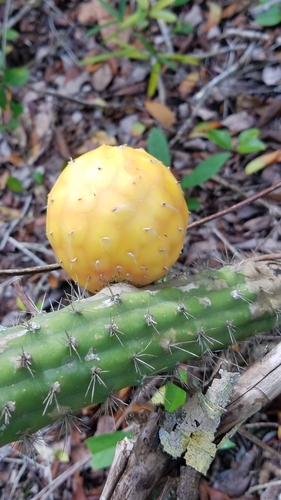
Harrisia simpsonii
Simpson's apple cactus
Helianthocereus atacamensis
Cardon
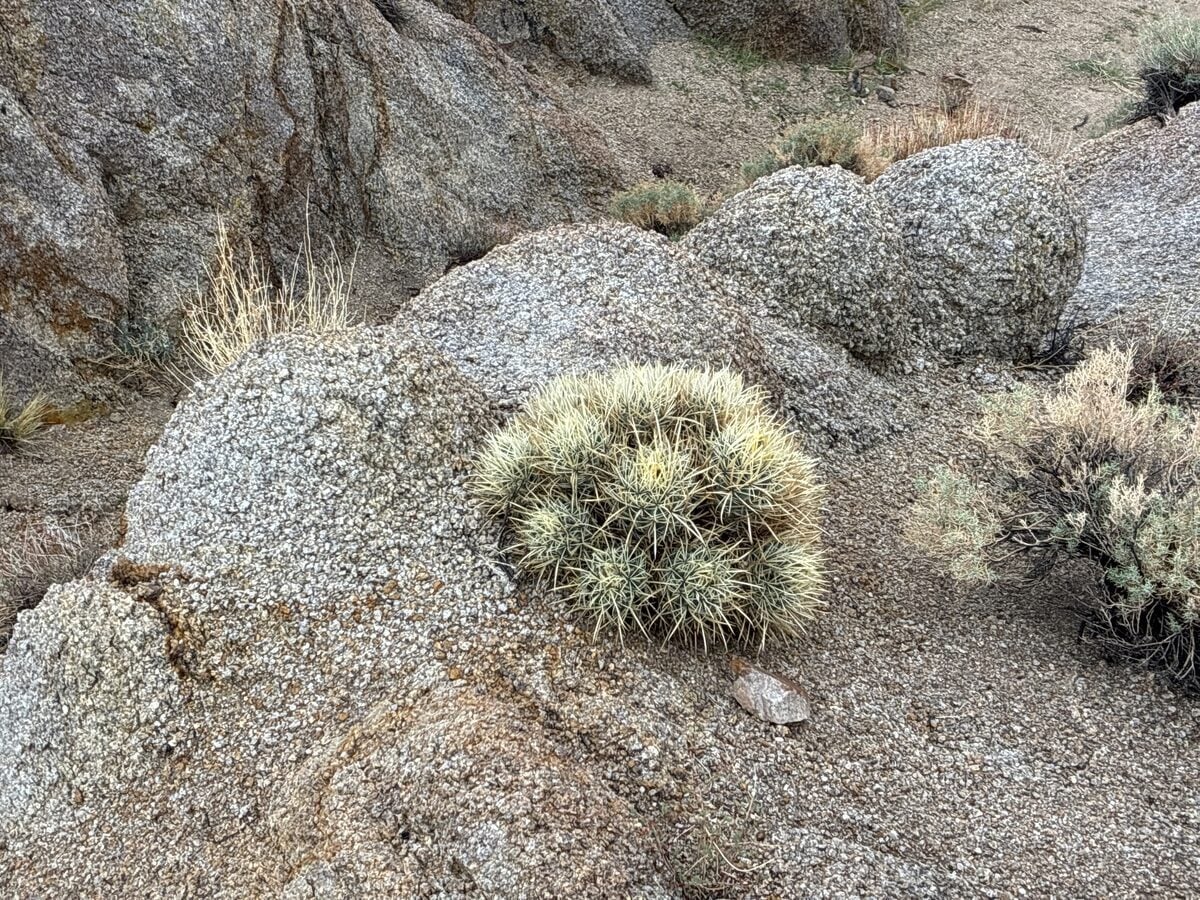
Homalocephala polycephala - (Engelm. & J.M.Bigelow) F.M.Knuth
Triangle Cactus, Cotton-top cactus
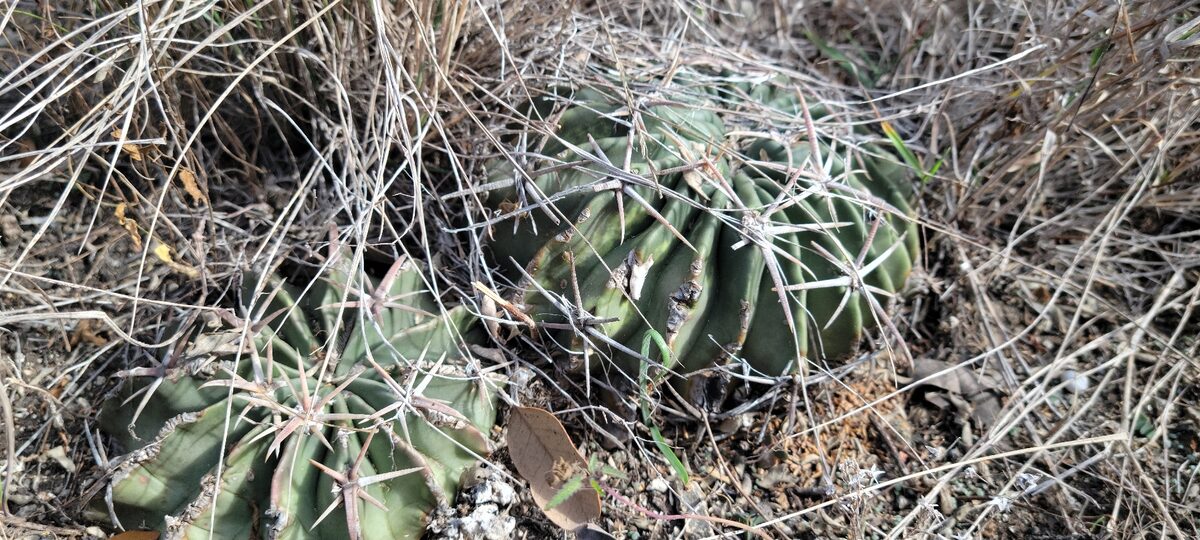
Homalocephala texensis - (Hopffer) Britton & Rose
Horse Crippler or Devil's Head cactus.
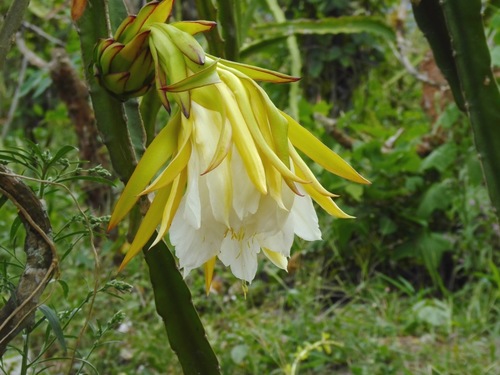
Hylocereus megalanthus
Yellow pitahaya
Hylocereus purpusii