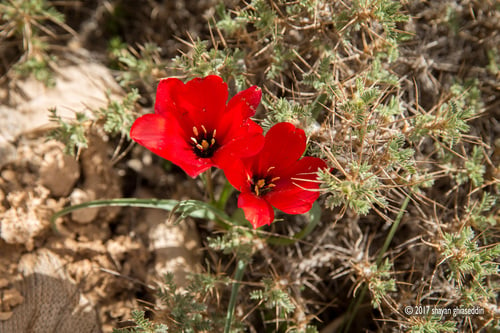
Lilium speciosum var. gloriosoides
Baker
Yao bai he
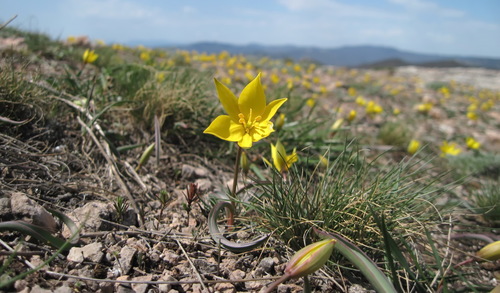
iNaturalist· cc-by-nc
(c) 小铖/Smalltown, some rights reserved (CC BY-NC), uploaded by 小铖/Smalltown
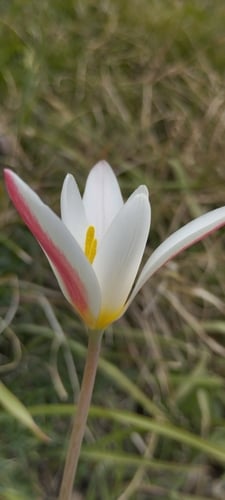
iNaturalist· cc0
no rights reserved, uploaded by 葉子
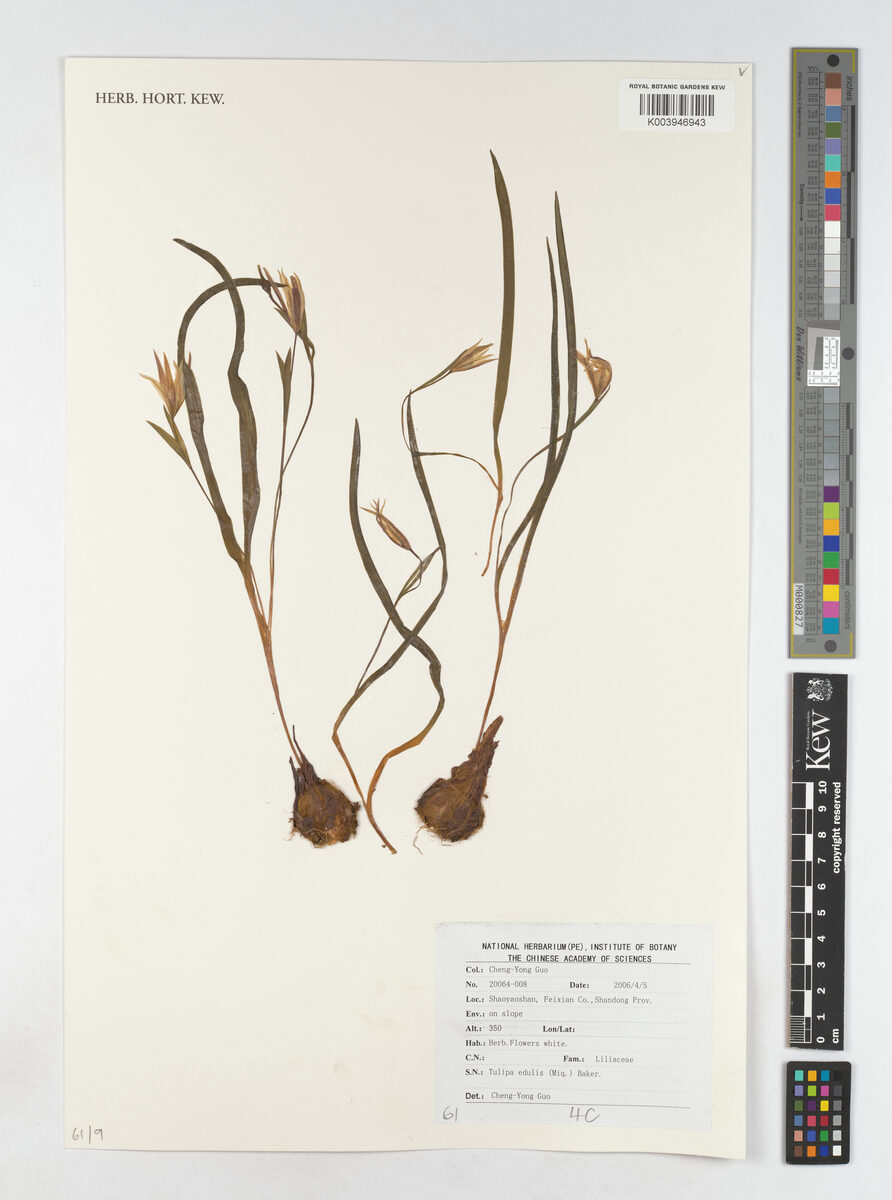
iNaturalist· cc0
no rights reserved, uploaded by 葉子
Summary
Source: WikipediaLilium speciosum is an East Asian species of plants in the lily family. It is native to southern Japan and southern China, where it can be found at elevations of 600–900 metres (2,000–3,000 ft). It is sometimes called the Japanese lily though there are other species with this common name. Lilium speciosum grows up to 1.2 metres (3 ft 11 in) tall and 0.3 metres (1 ft 0 in) wide, blooming from August to September in north temperate regions. The flowers are white to pink in colour, and strongly scented. It is later flowering than most other species. Many garden forms are in cultivation, and the species has been widely used for breeding of garden forms. Lilium speciosum contains phenolic glycosides, such as 6′-O-feruloylsucrose and (25R,26R)-26-methoxyspirost-5-en-3β-ol 3-O-α-l-rhamnopyranosyl-(1→2)-β-d-glucopyranoside, and steroidal saponins. Varieties Lilium speciosum var. gloriosoides Baker - China, Taiwan Lilium speciosum var. speciosum - Japan (Shikoku, Kyushu)
Description
A bulb plant. The bulb is flattened. They are 5 cm across. There are white scales. The stems are 60-120 cm long. The leaves are sword shaped. They are 7-18 cm long by 1-5 cm wide.
Edible Uses
The bulbs are eaten.
Traditional Uses
The bulbs are eaten.
This uses section is brief — help expand it
Known Hazards
Lily pollen is toxic to domestic cats and ingestion is often fatal; households and gardens which are visited by cats are advised against growing lilies or placing lily flowers where a cat may brush against them and become dusted with pollen, which they then consume while cleaning. Suspected cases require urgent veterinary attention. Prompt treatment with activated charcoal and/or induced vomiting can reduce the amount of toxin absorbed, and large amounts of fluid by IV can reduce damage to kidneys to increase the chances of survival.
Distribution
A temperate plant. It grows in shady and moist places. It grows between 600-900 m altitude in China.
Where It Grows
Asia, China, Taiwan,
Synonyms
References (1)
- Flora of China. Vol. 24 p 142 and Flora of China. www.eFloras.org