Cynanchum acutum subsp. sibiricum
Willd.
Swallow wort
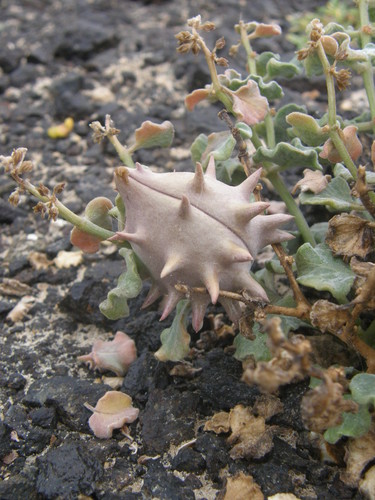
iNaturalist· cc-by-nc
(c) Ron Frumkin, some rights reserved (CC BY-NC), uploaded by Ron Frumkin
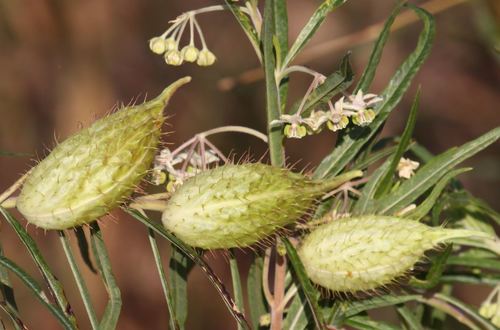
iNaturalist· cc-by
(c) Nasser Halaweh, some rights reserved (CC BY)
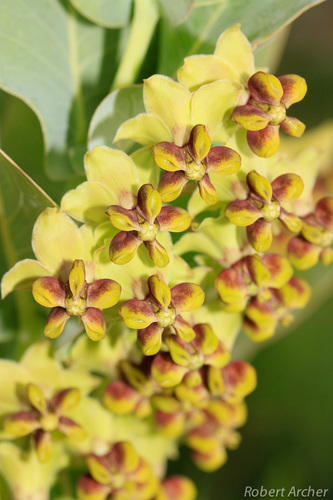
iNaturalist· cc-by
(c) Nasser Halaweh, some rights reserved (CC BY)
Summary
Source: WikipediaCynanchum acutum is a species of climbing vine swallowworts native to Europe, Africa, and Asia.
Description
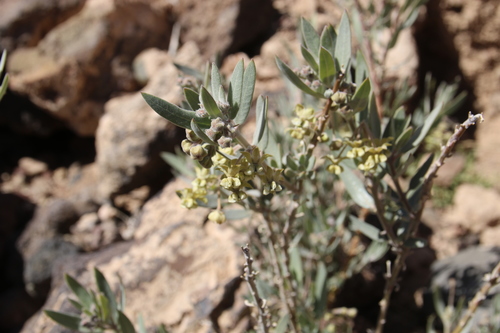
A climber. The roots are 2 cm across. The stems are woody at the base and branched. It climbs 3 m tall. The leaves are oblong or heart shaped and 1.3-6 cm long by 1.1-4.5 cm wide. The pods are narrow and 6,5-13 cm long by 8-10 mm wide. They are hairy. The seeds are oval and 5-8 mm long by 2-3 mm wide.
Edible Uses
The leaves, seeds, and seedpods are edible.
Traditional Uses
CAUTION:
This uses section is brief — help expand it
Known Hazards
Caution advised (specific hazard not detailed in data).
Distribution
It is a temperate plant. In China it grows between 900-1,400 m above sea level.
Where It Grows
Afghanistan, Asia, Central Asia, China, Kazakhstan, Manchuria, Mongolia, Pakistan, Russia, Tajikistan, Tibet, Turkmenistan,
Notes
There are about 150 Cynanchum species.
Synonyms
References (5)
- Ges. Naturf. Freunde Berlin Neue Schriften 2:124. 1799 (As Cynanchum sibiricum)
- https://en.wikipedia.org/wiki/List of wild edible plants in Mongolian cuisine (As Cynanchum sibiricum)
- Plants for a Future database, The Field, Penpol, Lostwithiel, Cornwall, PL22 0NG, UK. http://www.scs.leeds.ac.uk/pfaf/ (As Cynanchum sibiricum)
- READ (As Cynanchum sibiricum)
- Urgamal, M., Oyuntsetseg, B., Nyambayar, D. & Dulamsuren, Ch. 2014. Conspectus of the vascular plants of Mongolia. (Editors: Sanchir, Ch. & Jamsran, Ts.). Ulaanbaatar, Mongolia. “Admon“ Press. 334pp. (p. 79-90).